ATLAS Launches Pre-Orders for $499 Brain Monitoring Wearable
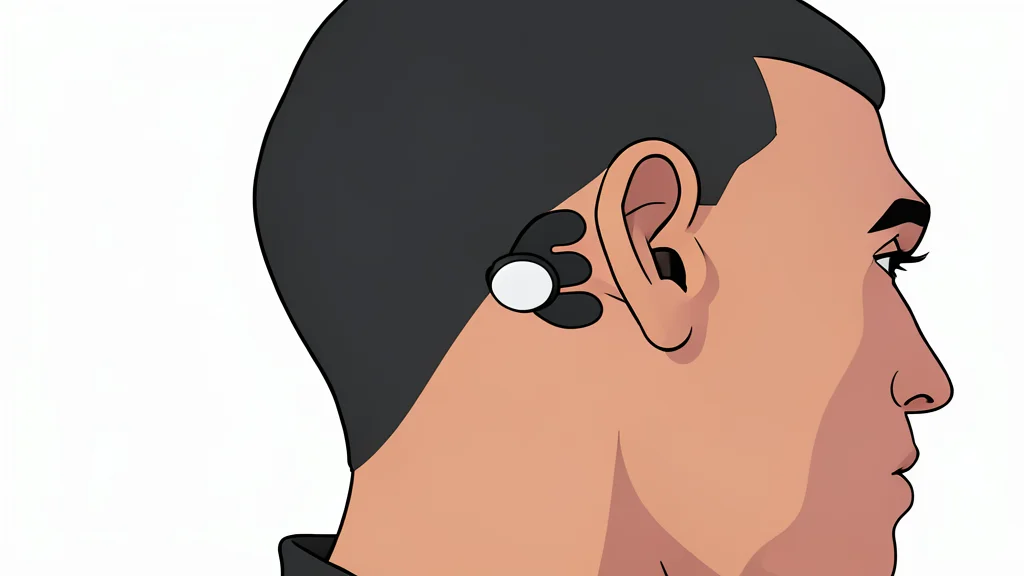
A new ear-worn device promises to track brain activity in real life, moving beyond sleep tracking to monitor performance during daily tasks like driving and socializing.
ATLAS has opened pre-orders for the Pioneer Edition of The Atlas 1.0, a wearable device designed to capture brain activity data throughout the day. Unlike traditional fitness trackers that measure steps or heart rate, this gadget uses non-implantable electroencephalography (EEG) technology to monitor neural signals while users go about their normal routines.
The device sits discreetly behind the ear and aims to provide a personalized map of how the brain functions during various states, including presence, stress, and energy burn. This launch marks a shift in consumer wearable technology, focusing on cognitive performance rather than just physical metrics.
Tracking Real-Time Cognitive Performance
Most existing brain-tracking products are limited to stationary activities such as sleeping or meditating. ATLAS claims its new model is the largest real-life brain activity headset available, capable of recording data during dynamic activities like driving, eating, and socializing. The system relies on proprietary nanotechnology to gather multi-modal data continuously, building on a dataset of over 500,000 brain recordings to refine its algorithms.
According to GN auto tech/wearables: wearable tech, the device is intended to help users understand what factors influence their mood and focus. By identifying patterns in brain activity, the tool provides insights into how specific conditions impact thinking and operation, offering a more comprehensive view of daily mental states than previous wearables.
High Cost and Monthly Fees
The Pioneer Edition is priced at $499, but this is not a one-time purchase for all features. Users must also commit to a $29.99 monthly membership, which covers the nanotechnology sensor, adhesive replenishments, personalized insights, and app access. The initial package includes twelve months of access to the ATLAS API and MCP, adding to the total cost of entry.
This pricing structure creates a significant financial trade-off for consumers. While the hardware is relatively affordable compared to medical-grade equipment, the ongoing subscription fee makes the long-term cost of ownership considerably higher. Buyers should weigh the value of continuous cognitive data against the recurring expense.
Wellness Tool Not Medical Device
It is crucial to note that ATLAS positions its product strictly as a wellness tool, not for diagnosing or treating medical conditions. The company was developed by experts from institutions including UCLA, UCSF, Oxford, and Cambridge, and has raised $24 million from investors such as Acrew Capital and Compound. However, users must understand that the data provided is for self-inspection and optimization, not clinical diagnosis.