Evobeing R1 Smart Ring Debuts at IFA Berlin 2026
A new smart ring aims to replace complex health data with simple, actionable guidance for daily wellbeing.
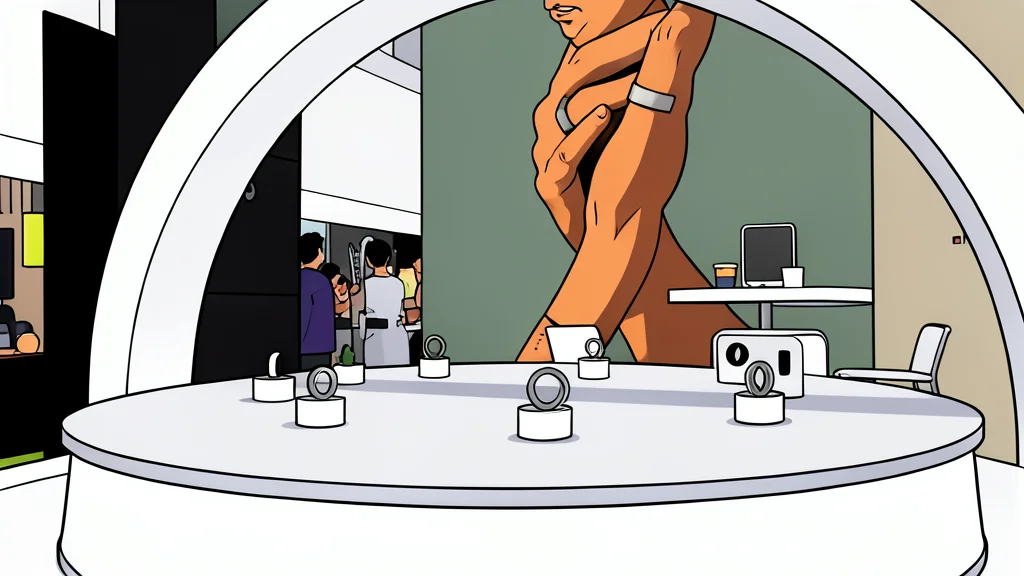
Wearable startup evobeing unveiled its first product, the R1 smart ring, at the IFA Berlin 2026 trade show. The device quickly gained attention when Trusted Reviews awarded it the 'Best in Show' title, marking a significant early milestone for the company. This debut highlights a growing trend in consumer technology where wearables are shifting from passive data loggers to active assistants for daily life.
The core philosophy behind the R1 is practical rather than purely analytical. The company argues that most current wearables overwhelm users with charts, scores, and historical metrics that do not translate into immediate action. Instead, the R1 focuses on providing timely, understandable guidance. It aims to help users make better decisions about their energy, focus, and recovery throughout the day, turning abstract health data into concrete, moment-to-moment advice.
Simplifying Health Metrics Into States
To achieve this simplicity, the R1 interprets continuous biometric signals and categorizes them into four intuitive states: Ready to Go, In Flow, Take It Easy, and Running Low. By tracking heart rate, heart rate variability, blood oxygen levels, skin temperature, sleep, and activity, the ring translates complex physiological data into a clear picture of the user's current condition. This approach removes the need for users to interpret raw numbers, allowing them to quickly understand whether they are ready for a challenge, suited for focused work, or in need of rest.
The device delivers this guidance through subtle haptic vibrations, acting as a gentle nudge rather than a loud alarm. This design choice reflects the company’s belief that life is shaped by countless small moments rather than a few major decisions. The goal is to provide a simple, low-friction layer of awareness that fits seamlessly into everyday routines without requiring constant screen time or manual data analysis.
Hardware Design and Battery Life
Physically, the R1 is built for all-day comfort and durability. It features a lightweight titanium construction, which is a common material choice in premium smart rings due to its strength-to-weight ratio. The battery life is a notable strength, offering up to eight days of usage on a single charge. This longevity is a significant advantage over many competitors, reducing the frequency of charging and making the device more convenient for travel and extended wear.
However, there are trade-offs to consider. While the eight-day battery is impressive, the reliance on haptic feedback as the primary interface means users must learn to interpret different vibration patterns. Additionally, the four-state system simplifies data but may lack the granular detail that serious athletes or health enthusiasts require. The device is designed for general wellbeing and decision support, not for deep-dive medical analysis or precise performance tracking.
Personalization and Market Positioning
The R1 uses AI-powered personalization to adapt to individual user patterns over time. Rather than comparing users against a standardized benchmark, the algorithm learns from unique rhythms and habits to refine its guidance. This approach aims to make health monitoring more accessible and relevant to a broader audience. As reported by GN auto tech/wearables: wearable tech, the global smart ring market is expanding as consumers seek more personalized and accessible approaches to wellness management.
For evobeing, the launch at IFA represents a broader vision of rethinking wearable technology. The company positions the R1 not just as a tracker of what has happened, but as a tool to help decide what to do next. This shift from retrospective data to prospective guidance addresses a common pain point in the industry. While the initial reception has been positive, the long-term success of the device will depend on whether users find the four-state system and haptic nudges genuinely useful in their daily lives.