Smart Glasses Capture Real-Time Construction Progress
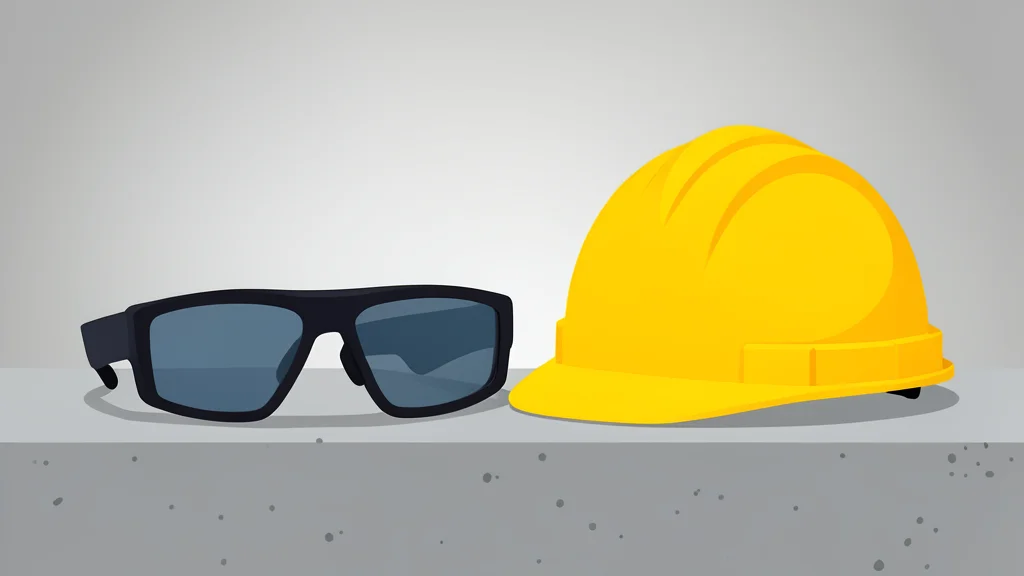
A major contractor is using smart glasses to record first-person views of job sites, offering owners a more immediate look at how complex buildings come together.
Power Design has begun using Meta Ray-Ban smart glasses to document construction activities across several major U.S. projects. As reported by GN auto tech/wearables, this initiative, known as Field Feed, captures first-person footage of daily operations, ranging from electrical installations to mechanical setups. The goal is to provide stakeholders with a direct visual record of site conditions without waiting for scheduled walkthroughs or static photographs.
The approach moves beyond traditional reporting by showing the work exactly as the crews experience it. This includes views of conduit routing before walls are closed and inspections of equipment rooms that are typically hidden from public view. While the technology offers greater transparency, it also raises questions about data management and the consistency of video quality in dynamic, dusty environments.
First-Person Views of Complex Sites
The strategy has been applied to four distinct developments, each presenting unique documentation challenges. At The Strand in Raleigh, North Carolina, the high-rise residential project involves nearly 400 units and multiple trades working simultaneously. The footage reveals how electrical, mechanical, and life-safety systems are integrated into the structure. Similarly, at Sunset Amphitheater in McKinney, Texas, the glasses capture the progression from rough power routing to the final drywall installation, offering a clear timeline of the venue’s evolution.
In Las Vegas, the Four Seasons project provides insight into large-scale mechanical systems, such as chillers and pump skids, within a building exceeding one million square feet. Meanwhile, the Port Imperial development in Weehawken, New Jersey, showcases work on open decks during structural construction. These varied examples demonstrate that wearable cameras can document different phases of construction, from early rough-ins to final finishing touches, providing a comprehensive visual history of each project.
Benefits and Operational Trade-Offs
For construction owners, the primary benefit is immediacy. Instead of relying on periodic reports, stakeholders can see installation conditions and milestones as they happen. This direct view helps in verifying that systems are installed correctly and that site conditions match the planned schedule. It reduces the information gap between the field team and the project management office, potentially leading to faster decision-making when issues arise.
However, this method is not without limitations. The footage is subjective, capturing only what the wearer sees, which may miss critical details happening elsewhere on the site. Additionally, managing large volumes of video data requires robust storage and organization systems to ensure usability. The technology also depends on battery life and network connectivity, which can be inconsistent on remote or congested job sites. These factors mean that while smart glasses are a valuable tool, they complement rather than replace traditional documentation methods.
Future Applications in the Industry
Power Design plans to expand its Field Feed content as teams reach new milestones across the country. The company views this as a way to enhance communication with clients and provide a more engaging narrative of the construction process. As wearable technology becomes more common, we can expect more firms to adopt similar strategies for documenting their work. This shift could redefine how construction progress is shared, making it more accessible and visually compelling for a wider audience.
The adoption of smart glasses in construction signals a broader trend toward integrating personal technology into industrial workflows. While the initial applications are focused on documentation, future uses may include remote assistance, safety monitoring, and training. The key will be balancing the benefits of real-time visibility with the practical challenges of deploying such technology in demanding construction environments. As the industry evolves, these tools will likely become standard equipment for field teams.