Fitbit Charge 6 Users Find Seasonal Energy Dips in Sleep Data
A six-week personal test shows how shorter days shift sleep and movement metrics, offering a clearer view of autumn fatigue.
Key points
- A six-week test showed that shorter days led to a 36-minute drop in average sleep and a 27% decrease in daily steps.
- Resting heart rate increased by four beats per minute, and heart-rate variability decreased during the darker weeks.
- Setting a bedtime reminder improved average sleep to 7 hours and 6 minutes and raised morning energy ratings.
For many people, the arrival of darker days brings a sudden drop in energy that is hard to pin down. While medical conditions are a possibility, a recent personal experiment suggests the cause might be simpler: a cluster of small behavioral shifts that a wearable device can quantify. By looking at specific data points rather than a single overall score, the underlying pattern of seasonal fatigue becomes easier to identify and manage.
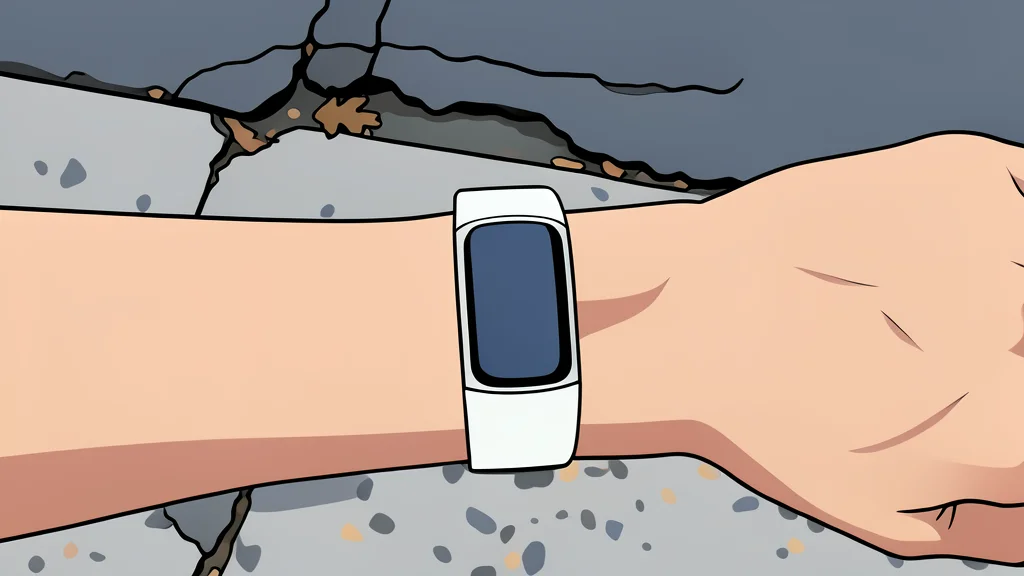
The findings come from a six-week trial using the Fitbit Charge 6, as reported by Wareable. The user compared three weeks of long daylight with three weeks of shorter, colder days. The goal was not to diagnose illness, but to see how common wellness metrics changed in response to the environment. The results show that while no single number is definitive, the combination of sleep, heart rate, and activity data provides a useful snapshot of daily well-being.
Seasonal shifts show up in data clusters
The most significant change was not a dramatic spike in any one metric, but a consistent shift across several. During the darker period, average sleep duration dropped by 36 minutes, and bedtimes became less consistent, varying by up to 71 minutes. Resting heart rate increased by four beats per minute, and nightly heart-rate variability decreased. These changes, when viewed individually, could be attributed to stress, hydration, or illness. Together, they painted a clear picture of a routine that had drifted out of alignment.
Activity levels also declined sharply. Daily steps fell from an average of 9,340 to 6,780, and Active Zone Minutes dropped from 31 to 18 per day. This suggests that the reduction in evening daylight led to less time spent moving after work. The subjective rating of morning energy fell from 3.8 to 2.7 out of five, aligning with the objective drop in physical activity and sleep quality. This demonstrates how environmental factors can subtly erode daily habits without a single major event.
Sleep duration proves more useful than scores
While fitness trackers often highlight a composite sleep score, the data suggests that total sleep duration is a more practical metric for understanding energy levels. In the trial, the sleep score did not capture the nuance of the changes as effectively as simple time tracking. The user found that the loss of sleep was driven by a shift in bedtime behavior rather than a change in sleep quality. Darker evenings led to earlier feelings of tiredness, but instead of sleeping, the user stayed up, pushing bedtime later while the morning alarm remained fixed.
Addressing this specific issue yielded immediate results. By setting a reminder 45 minutes before the intended bedtime, the user was able to cut out late-night screen time and return to a consistent schedule. Over the following ten nights, average sleep rose to 7 hours and 6 minutes, and the morning energy rating improved to 3.4 out of five. This highlights the trade-off between convenience and consistency; while staying up late may feel like a choice, the cumulative cost to next-day energy is measurable and significant.
Wearables offer trends, not medical diagnoses
It is crucial to understand the limitations of this technology. The Fitbit Charge 6 is a consumer wellness device, not a medical instrument. Metrics like heart-rate variability and resting heart rate are highly individual and can be influenced by stress, temperature, and training status. Therefore, these numbers should be viewed as trends relative to a personal baseline, rather than absolute health indicators. A single day’s data is rarely meaningful, but a week-long pattern can provide valuable context.
The primary value of such devices lies in their ability to make invisible habits visible. By documenting small changes in sleep, movement, and heart rate, they help users recognize when their routine is drifting. This allows for targeted adjustments, such as setting earlier alarms or scheduling specific movement windows, before fatigue becomes overwhelming. The data does not provide a cure, but it offers a clear map of where the problem lies, empowering users to make informed, practical changes to their daily lives.