Garmin Fenix 9 Offers Solar and AMOLED Display Choices
The new series splits into two display types to balance screen quality against battery life for outdoor users.
Key points
- Users can choose between an AMOLED display for better visuals and a solar MIP display for longer battery life.
- The 51mm model features Garmin's largest 1.5-inch screen, while Pro models include 50% more RAM for faster performance.
- New software adds 3D mapping and satellite messaging, with a trade-off between screen quality and endurance.
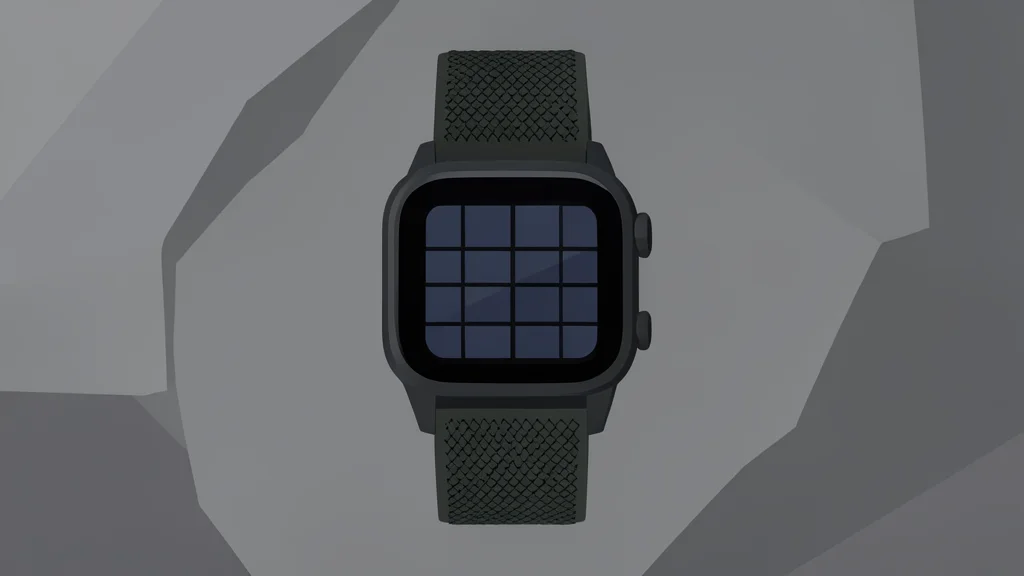
Garmin has released the Fenix 9 series, introducing a clear choice between two different display technologies. Users can now select a vibrant AMOLED screen for sharp visuals or a MIP-based solar display that prioritizes battery life and outdoor visibility. According to reports from Geeky Gadgets, this dual-option approach allows buyers to tailor the device to their specific endurance needs rather than accepting a single compromise.
Display trade-offs defined by use case
The AMOLED option delivers richer colors and higher contrast, making it suitable for users who value screen clarity above all else. However, this comes at the cost of shorter battery life. In contrast, the MIP solar display is engineered for longevity, particularly in sunny conditions. It offers excellent visibility against bright backgrounds but lacks the deep blacks and vividness of the AMOLED panel. This distinction means power-hungry users must decide whether they prefer a brighter screen or a longer stretch between charges.
Hardware upgrades support demanding activities
Beyond the screens, the series includes hardware tweaks that improve usability in the field. The 51mm model features the largest display in the Garmin lineup, measuring 1.5 inches for easier reading. All models come with QuickFit nylon bands that offer better adjustability and comfort for long-duration wear. A new multi-color flashlight with green, white, and red modes adds versatility for signaling and night navigation. Pro models also benefit from faster processors and 50% more RAM, which helps handle complex mapping tasks without lag.
Navigation and connectivity features expand
Software updates focus on precision and safety. The inclusion of 3D map perspectives and SAT IQ technology helps users navigate complex terrains more accurately by adjusting satellite modes dynamically. New activity profiles for rucking and indoor rowing broaden the fitness tracking capabilities. For remote expeditions, the Pro InReach models add satellite messaging and LTE connectivity, providing live tracking and emergency assistance. While these features enhance safety, they also require careful management of power consumption, especially when paired with the more energy-efficient solar displays.