Data Centers Become Critical Regional Infrastructure

Southeast Asian leaders are redefining data centers as essential public infrastructure, comparable to ports and highways, to support a projected 2.3 trillion peso digital trade boom by 2030.
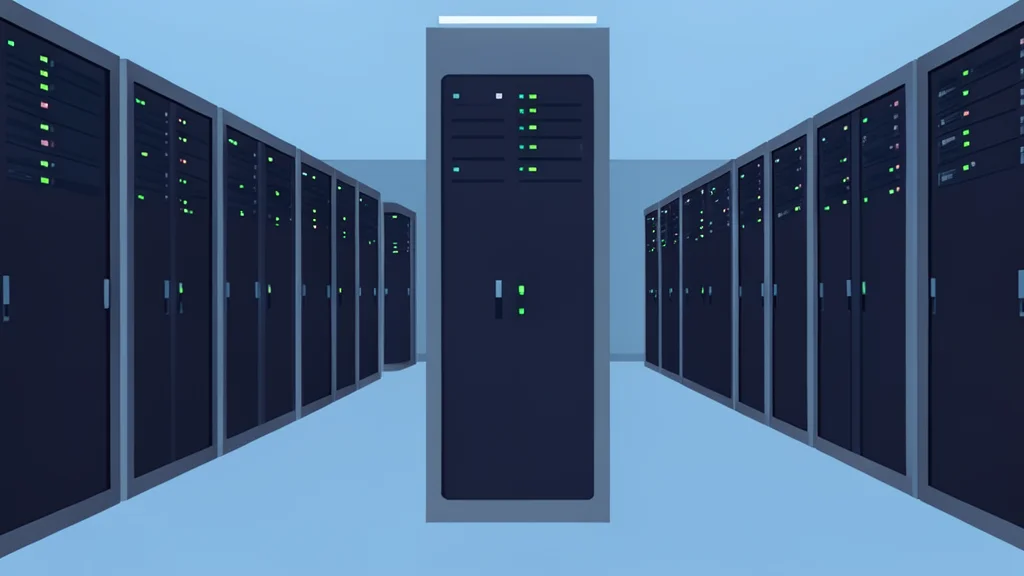
In Makati City, government officials and industry leaders gathered to discuss the ASEAN Digital Economy Framework Agreement. The forum highlighted a significant shift in perspective: data centers are no longer viewed as private corporate assets but as strategic national infrastructure. Much like roads and airports powered previous trade eras, these facilities are now seen as the backbone for the region's digital future.
The agreement aims to unlock 2.3 trillion pesos in trade by 2030 by creating an integrated digital market. This goal relies on the expansion of cloud computing, digital payments, and artificial intelligence services. However, these digital promises depend entirely on heavy physical infrastructure, including reliable electricity and secure facilities, rather than abstract technological concepts.
Physical Assets Behind Digital Services
The term
According to GN auto tech/cloud, the cloud infrastructure is grounded in industrial reality. Digital services such as real-time payments and cross-border e-commerce operate through data centers that require substantial capital investment. These facilities demand high volumes of energy, specialized engineering, and robust telecommunications networks. Without this physical foundation, the region cannot support the growing demand for digital services.
Enabling Small Business Participation
While building a data center is out of reach for most small businesses, the resulting infrastructure is critical for their survival. Micro, small, and medium enterprises make up 97 percent of businesses in Southeast Asia and provide 85 percent of regional jobs. Shared digital infrastructure allows a local entrepreneur in Davao to sell goods to buyers in Thailand with instant, secure currency settlement.
This access is essential for regional inclusion. If the physical facilities are inadequate, the benefits of the digital economy will remain concentrated among large corporations. Ensuring that this infrastructure supports scalable platforms is key to allowing smaller players to participate in the broader regional market.
Balancing Security and Investment
A major challenge lies in balancing data sovereignty with open trade. The Philippines and other ASEAN nations need policies that protect consumer interests and national security. However, these regulations must not unnecessarily restrict trusted cross-border data flows or discourage the long-term investment required to build this capacity.
The trade-off is delicate. Overly restrictive policies could stifle the digital growth that the framework aims to promote. Conversely, a lack of clear cybersecurity standards could expose consumers to risks. Finding the right balance is crucial for realizing the economic goals set by the regional bloc.