China Opens Factory that Uses Robots to Build Robots
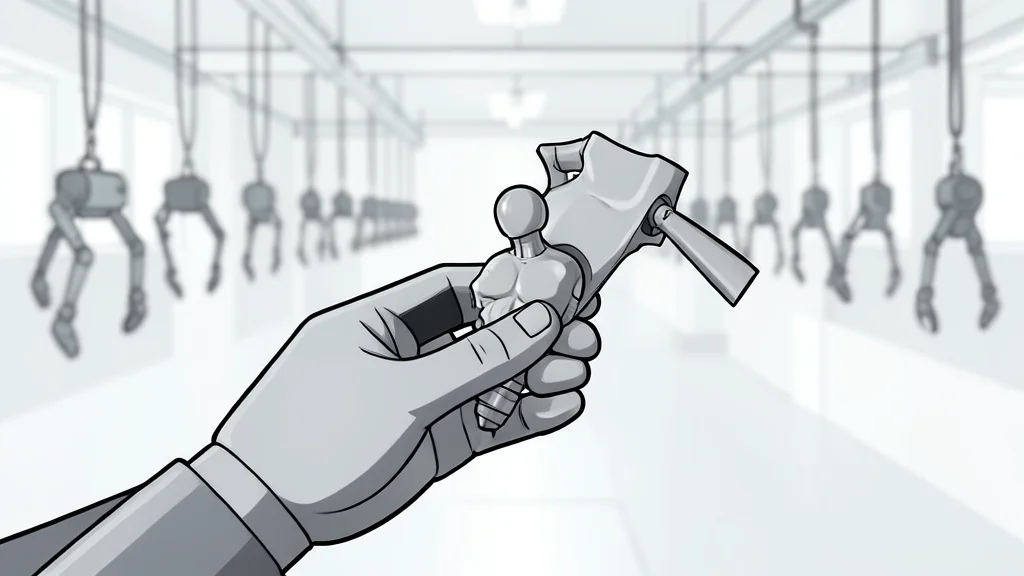
A new facility in Liuzhou demonstrates a closed-loop manufacturing system where humanoid robots assemble their own kind, raising questions about labor costs and technological dependency.
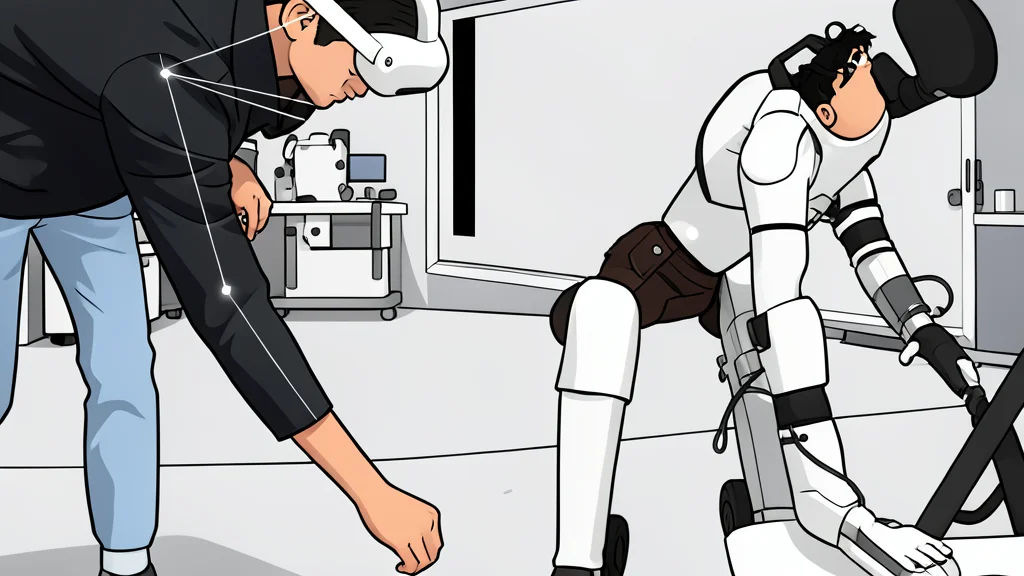
UBTECH Robotics has launched a manufacturing plant in Liuzhou, China, that relies heavily on automation to produce humanoid robots. The facility marks a shift in industrial strategy, moving away from traditional human labor for assembly tasks and toward a system where robots handle the construction of other robots. This approach aims to increase output consistency and reduce the time required to bring units to market.
The factory is located in the Guangxi Zhuang Autonomous Region and covers 14,000 square meters. It is designed to produce models such as the Cruzr and Walker S. The core premise is efficiency: the line can assemble a new robot every ten minutes, a pace that suggests a significant departure from slower, manual assembly methods. However, this speed comes with a heavy reliance on complex digital infrastructure to manage the workflow.
Automated Assembly Lines Reduce Labor
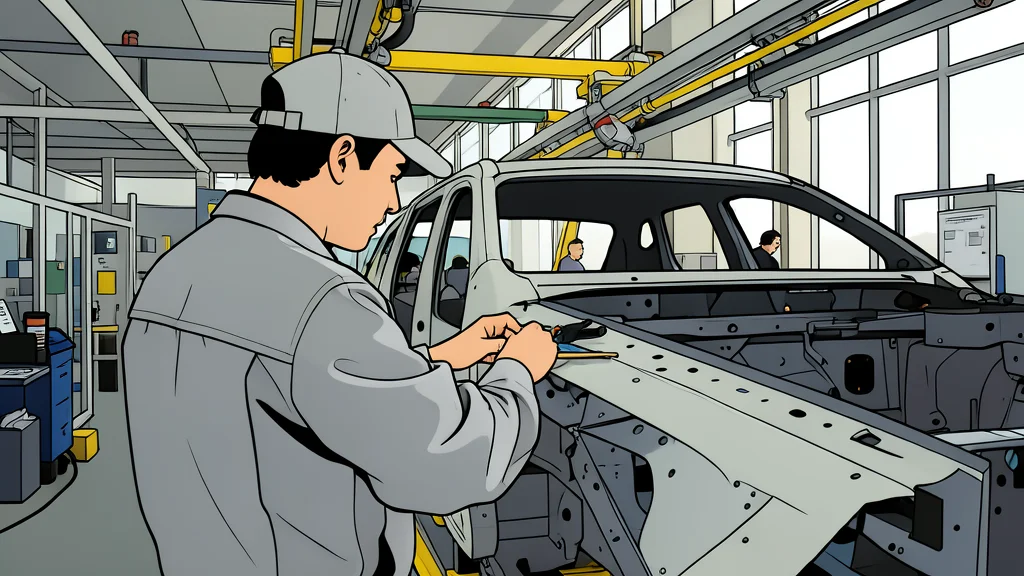
The production process involves various robotic systems working in tandem. Specific models like the Cruzr Y1 and S2 are used for unloading materials and moving components. Collaborative robots and assistance arms handle the final assembly, while autonomous vehicles transport parts between stations. This setup eliminates the need for frequent line reconfigurations, allowing the factory to switch between different robot models on the same line without extensive downtime.
While the speed of production is a major advantage, it introduces a trade-off in terms of system complexity. The reliance on autonomous logistics and robotic arms means that any digital or mechanical failure in the control system can halt the entire line. The facility requires a high level of technical maintenance to keep the diverse array of machines synchronized.
Rigorous Testing Ensures Quality Control
Speed in assembly is balanced by extensive quality checks. Each completed robot undergoes more than four hours of continuous testing to verify its electromechanical systems. This includes an optical inspection tunnel that performs a 360-degree scan of the exterior to detect any visual defects. This thorough process ensures that the high production rate does not compromise the reliability of the final product.
The factory also implements a comprehensive tracking system. Every robot is assigned a unique serial number that links its assembly data, testing records, and supplier information. This traceability helps in identifying potential issues in the supply chain or manufacturing process, but it also adds a layer of data management that requires robust digital infrastructure to maintain.
Digital Partnership Drives Operations
The facility was developed in partnership with Siemens Digital Industries Software, which provides the integrated digital operations management system. This software acts as the central nervous system of the factory, managing work orders, material distribution, and warehouse operations. The collaboration highlights a trend in advanced manufacturing where the value lies as much in the software integration as in the physical machinery.
UBTECH Robotics has also introduced an automated three-dimensional warehouse that stores 112 robots in just 65 square meters. This design improves space utilization by more than 50% compared to traditional storage methods. While this increases efficiency, it requires precise coordination with the assembly line to ensure that parts and finished units are moved smoothly, adding another layer of logistical complexity to the operation.