The Long Line of AI Warnings

Warnings about artificial intelligence risks have evolved from niche academic concerns into a central political and economic debate, shaping how society approaches technology development.
Concerns about artificial intelligence have become a dominant theme in public discourse, shifting from abstract theoretical risks to immediate economic and political realities. As reported by GN technics/ai (en-US), the conversation now spans labor markets, national security, and local infrastructure, reflecting a broadening of the debate beyond tech specialists.
This shift marks a significant departure from earlier decades when AI safety was largely confined to academic circles. Today, the stakes are tangible: workers face job displacement, communities grapple with the physical footprint of data centers, and governments weigh the need for regulatory guardrails against the fear of stifling innovation.
Labor Markets Under Pressure
One of the most immediate impacts of AI adoption is the restructuring of the workforce. White-collar jobs, previously considered safe from automation, are now seen as vulnerable, prompting a surge in interest for trade school programs. This trend suggests a pragmatic response by younger generations who are preparing for a job market where technical, hands-on skills may offer more stability than traditional office roles.
Political Divides Over Regulation
The political landscape regarding AI is increasingly polarized. While some leaders and researchers advocate for stricter regulations to mitigate risks, others view such concerns as exaggerated or even a hoax. This disagreement highlights a fundamental trade-off: the tension between rapid technological deployment and the establishment of safety standards. Policy decisions made in this period will likely determine the long-term trajectory of AI integration into society.
Local Conflicts Over Infrastructure
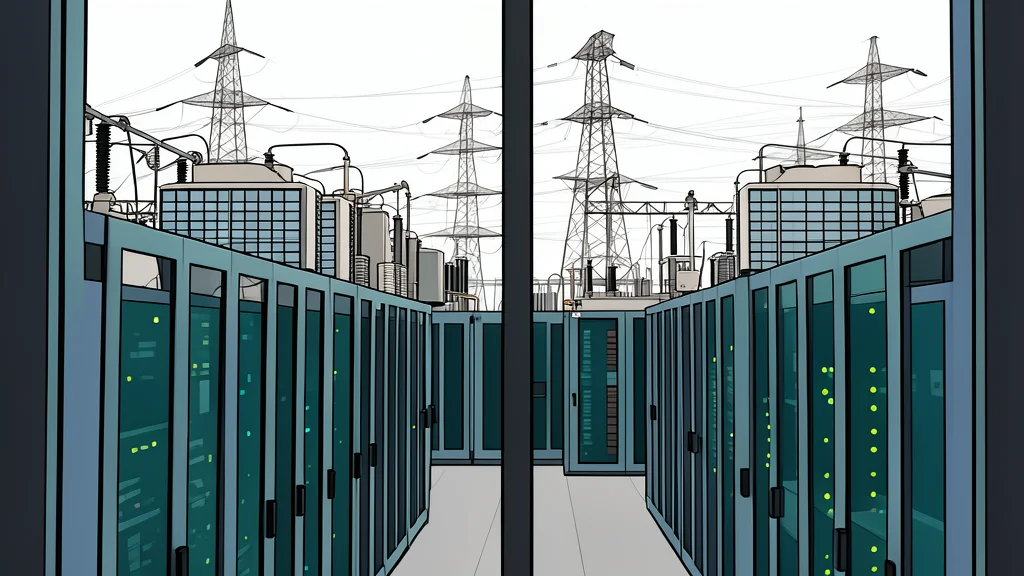
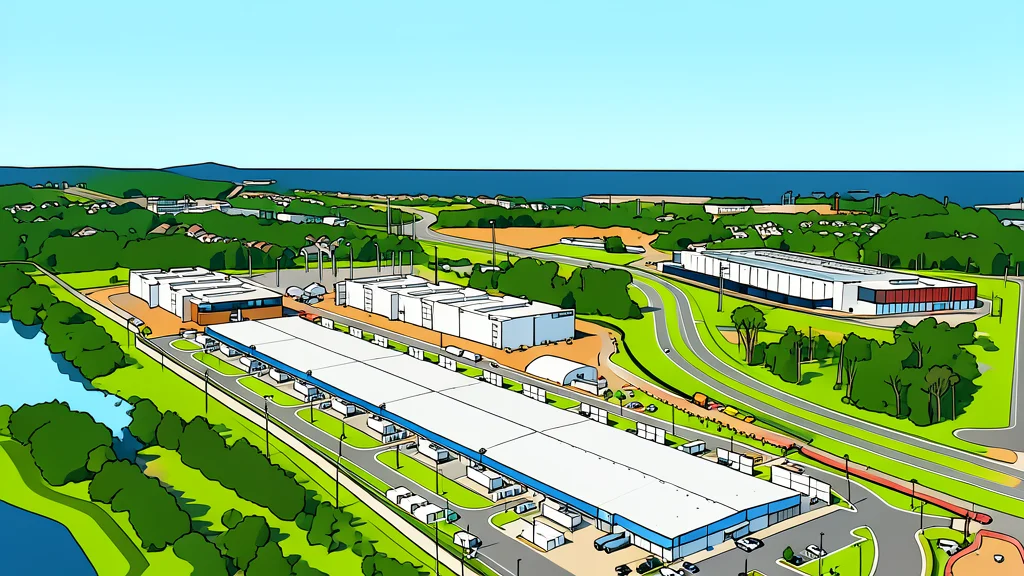
The debate has also moved to the local level, where proposed data centers have sparked community unrest. Residents in various towns are raising concerns about energy consumption, water usage, and the environmental impact of hosting large-scale AI infrastructure. These local conflicts underscore that the benefits of advanced technology are not evenly distributed, and that the physical costs are often borne by specific communities.