Wearable Data Maps Workplace Stress Sources

A developer used a fitness tracker to correlate heart rate spikes with specific colleagues, revealing who causes the most stress in the office.
A developer has demonstrated that wearable health data can be used to identify which colleagues cause the most physical stress during work meetings. By combining heart rate monitoring with calendar details, the experiment offers a new, albeit unofficial, way to measure workplace friction. The approach turns personal biometric responses into a quantifiable metric of interpersonal comfort.
The project, highlighted by GN auto tech/wearables: fitness tracker, relies on the premise that physiological reactions are immediate and difficult to fake. While the method is not designed for corporate performance reviews, it provides a personalized insight into how specific interactions affect an individual’s well-being. It shifts the focus from subjective complaints to objective, if limited, physiological evidence.
Linking biometrics to calendar data
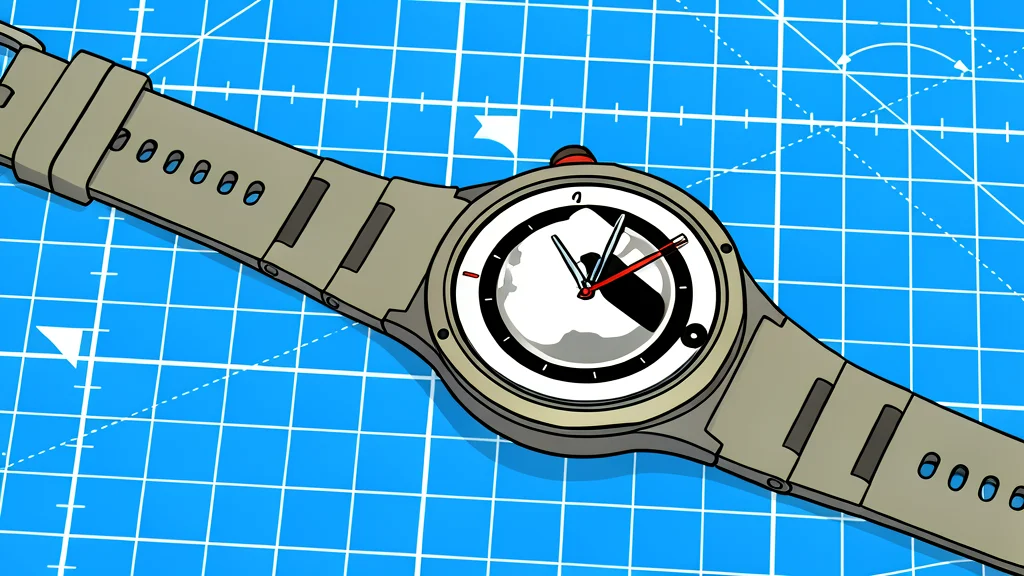
The user behind the experiment, Pankaj Tanwar, modified his Whoop fitness tracker to provide more granular heart rate data than standard consumer models offer. He then paired this stream of health information with his work calendar, specifically noting the participants in each meeting. Using custom code and an AI model, he analyzed the correlation between specific people and sudden increases in his pulse.
The system did not just identify sources of anxiety; it also highlighted colleagues who had a neutral or even calming effect on his physiological state. This suggests that not all interactions are stressful, and some may actually contribute to a sense of stability. The data effectively created a ranking of employees based on their impact on the user’s stress levels.
Limitations of physiological tracking
However, the method has significant blind spots. A spike in heart rate is not exclusively caused by social stress; it can result from physical movement, caffeine intake, or other unrelated factors. Without additional context, it is difficult to isolate interpersonal tension from other daily activities. The data provides a signal, but not a definitive diagnosis of workplace dynamics.
Furthermore, the approach is highly subjective. What causes one person’s heart rate to elevate may leave another completely unaffected. Therefore, the rankings are personal experiences rather than objective measures of a colleague’s behavior. The utility of such a system lies in self-awareness rather than in creating an external standard for professional conduct.
Privacy and ethical considerations
Using wearable data to evaluate colleagues raises questions about the boundaries of personal information. While Tanwar shared his findings anonymously, the concept opens the door to more intrusive forms of workplace monitoring. There is a trade-off between gaining insight into one’s own stress triggers and potentially stigmatizing others based on their impact on a single individual’s physiology.
The experiment serves as a reminder that technology can reveal hidden patterns in our daily lives, but it also highlights the complexity of human interaction. It is a fascinating use of consumer hardware, but it remains a personal tool rather than a reliable metric for organizational health. The value lies in the curiosity of the process, not necessarily in the practicality of the results.