Tesla Shows Cybercab in China Without Sales Plans
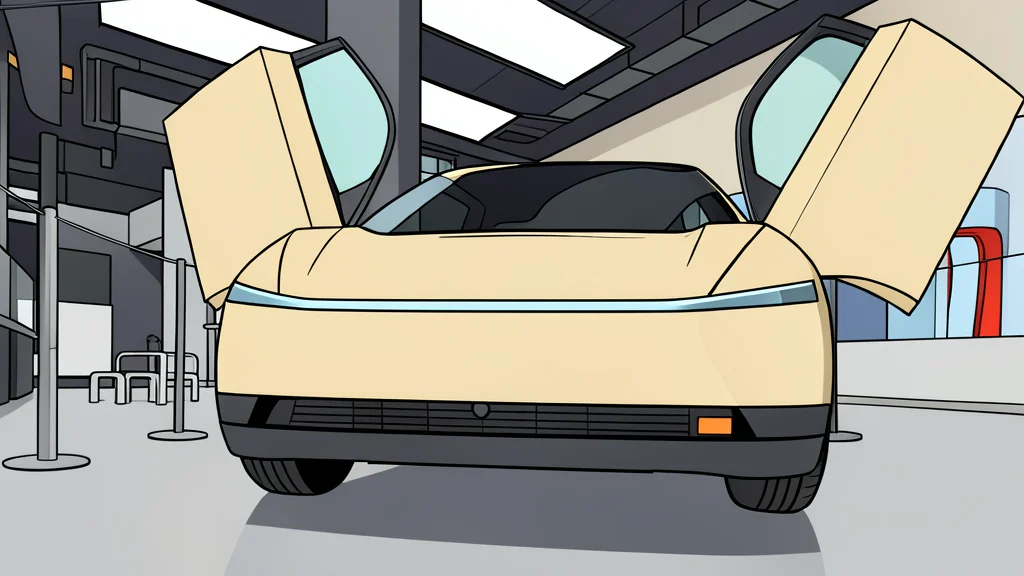
Tesla is displaying its driverless Cybercab in Chinese showrooms this week, but the company explicitly states that the vehicle is not for sale and will not be used for ride-hailing services.
Tesla has placed its two-seat Cybercab on public display in Beijing and Shanghai, marking the vehicle's first appearance in the country. However, the company is making it clear that this showcase is strictly for viewing purposes. Tesla China stated that the event does not involve selling the car or launching any driverless ride-hailing services, a significant limitation given the competitive landscape of the local market.
The displays are static, meaning visitors can see the design but cannot drive or purchase the vehicle. This approach highlights a major regulatory and operational hurdle. While the Cybercab is designed without a steering wheel or pedals, China’s current traffic laws do not allow the registration of such vehicles for private consumer use. Consequently, there is no mechanism for a customer to buy one, rendering the display more of a marketing stunt than a product launch.
Regulatory barriers block immediate adoption
The lack of a sales channel is not merely a strategic choice but a legal necessity. In both the United States and China, vehicles without manual controls cannot be registered for standard private ownership. This means that even if Tesla wanted to sell the Cybercab to individual consumers in China, the infrastructure and legal frameworks to support it are not yet in place. The vehicle remains a concept for public roads rather than a purchasable item for daily commuting.
Furthermore, Tesla does not yet have the approvals required to operate an unsupervised, driverless taxi service in China. While the company has introduced a limited version of its Full Self-Driving technology in the region, it lacks the specific commercial licenses needed to run a fleet of cars without human safety drivers. This puts Tesla at a distinct disadvantage compared to local competitors who have already navigated these regulatory hurdles.
Local rivals lead in commercial operations
As Tesla displays a static model in shopping malls, Chinese companies are actively running paid, driverless taxi services in multiple cities. Operators such as Baidu’s Apollo Go, Pony.ai, and WeRide are scaling their fleets and serving real customers daily. This creates a stark contrast: while Tesla is introducing the *idea* of a driverless car, its domestic rivals are already managing the *reality* of autonomous transportation. According to Electrek, this dynamic suggests that Tesla is currently lagging behind in the most developed driverless market in the world.
Showroom displays serve marketing purposes
The primary benefit of this tour for Tesla may be indirect. By drawing curious onlookers into its experience stores in Beijing and Shanghai, the company creates foot traffic that could potentially translate into sales of its existing lineup, such as the Model Y. The Cybercab acts as a conversation starter and a brand differentiator, emphasizing Tesla’s long-term vision for autonomy even if it cannot currently deliver that service to Chinese customers.
This strategy reflects a broader challenge for Tesla in China, where regulatory approval for fully autonomous commercial operations is a high bar. While Tesla has found ways to test its technology in less regulated markets like Texas and Florida, the Chinese market demands strict compliance and established infrastructure. For now, the Cybercab remains a symbol of future potential rather than a present-day solution for transportation.