Porsche Adds Wireless Charging and Automatic Doors to Cayenne EV
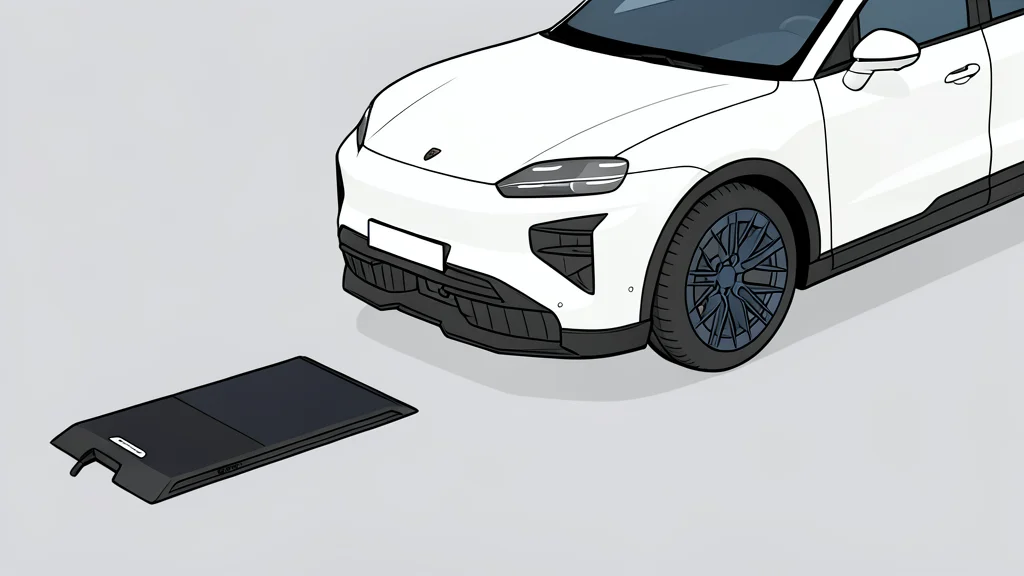
Porsche has moved its wireless charging concept from theory to a purchasable option for the Cayenne Electric, alongside automatic doors and a vast expansion of custom paint choices.
Porsche has confirmed that inductive charging will become a standard option for the 2027 Cayenne Electric, marking a significant shift in how luxury electric vehicles interact with their home environments. According to GN auto tech/ev: electric vehicle, this feature allows the SUV to charge without a physical plug, relying instead on a dedicated pad installed in the driveway or garage. While the technology has long been a talking point in the industry, its arrival on a production Porsche signals a move toward greater convenience for daily drivers.
Alongside the charging update, the automaker is introducing automatic electric doors and an expanded Paint to Sample program. These additions aim to enhance the luxury feel of the vehicle, offering a smoother entry experience and a wider array of color choices. However, each of these features comes with specific trade-offs in terms of cost, installation requirements, and potential maintenance complexity that buyers must consider.
Wireless charging requires permanent driveway installation
The inductive charging system operates at 11 kilowatts, a rate that is slower than the peak speeds of modern wired chargers but sufficient for overnight topping up. Porsche claims an electrical efficiency of 90 percent, which is competitive with standard 240-volt wired setups that typically range between 92 and 93 percent. The system uses surround-view cameras to guide the driver into the correct position, after which charging begins automatically or on a timer to exploit off-peak energy rates.
The catch is that the technology is not plug-and-play for every parking situation. The ground pad is weatherproof and designed for garages or driveways, but it requires a permanent installation. Safety features include sensors that detect metallic debris or animals near the vehicle to prevent overheating. Owners without a dedicated, flat parking space may find this feature less practical, as the car must be aligned precisely with the pad to function correctly.
Automatic doors add safety sensors and cost
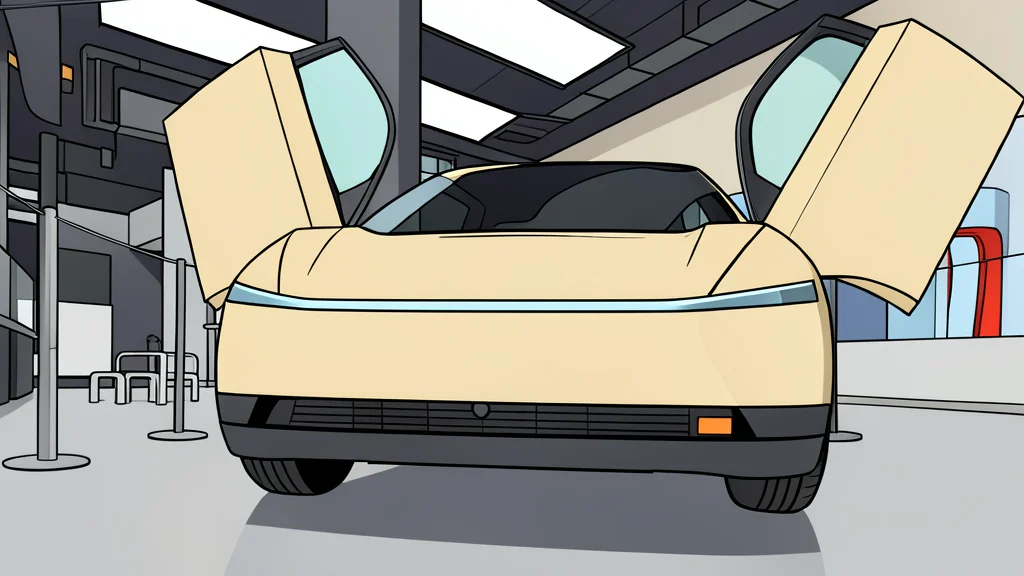
The new automatic doors use specialized servos to open and close in a single, smooth motion, eliminating the need for manual effort. The system includes proximity sensors that detect nearby objects or people, stopping the door if it risks colliding with a neighboring vehicle. It also monitors traffic from behind to prevent passengers from stepping out into a busy roadway, a safety feature that adds a layer of protection in tight parking lots.
However, this mechanized convenience introduces additional mechanical components that could require maintenance. Manual releases are included to handle emergencies or a dead 12-volt battery, ensuring occupants are never trapped. For buyers, the trade-off is a higher upfront cost and the reliance on complex electromechanical parts that may need servicing over the vehicle's lifespan, a consideration that differs from the simpler manual doors found on many competitors.
Custom paint options carry significant price tags
The Paint to Sample program expands the color palette to over 100 options, including historic shades like Peridot Metallic and colors borrowed from other manufacturers. This program is managed by Porsche Exclusive Manufaktur and costs $13,870, a substantial premium for a cosmetic change. The process requires approximately three months of additional lead time, meaning buyers must plan their purchase well in advance.
While the price is high, Porsche suggests that custom colors often contribute to higher resale values, appealing to enthusiasts who prioritize uniqueness. For the average buyer, however, this is a niche feature that significantly increases the total cost of ownership. The decision to include such an option reflects Porsche's focus on the luxury segment, where personalization is a key differentiator, but it also highlights the disconnect between standard consumer expectations and the premium pricing of bespoke automotive features.