African Union Faces Criticism over Sudan Mediation Bias
Accusations that the African Union is favoring one faction in Sudan's conflict have intensified, challenging the body's foundational mandate of neutrality.
The African Union is currently navigating a severe credibility crisis regarding its mediation efforts in Sudan. According to the GN auto geopolitics/africa: Sudan conflict, the organization faces growing scrutiny for perceived departures from its neutral stance. Critics argue that recent diplomatic actions have inadvertently favored the Sudanese Armed Forces over the Rapid Support Forces, a move that undermines the AU's role as an impartial arbiter in the ongoing war.
This controversy is not merely about political preference but touches on the structural integrity of the institution. The AU was designed to occupy a unique position in international diplomacy, one that transcends the binary of friend and enemy. However, as the conflict in Sudan intensifies, observers question whether the body can maintain this detached posture or if it is being pulled into the narrative control struggles of the belligerents.
Structural Bias in Diplomatic Engagement
The core of the criticism lies in how the AU handles its suspension of Sudan following the 2021 coup. While the suspension was intended to pressure the military for a civilian transition, it has created a complex diplomatic landscape. According to reports, the AU has continued to engage with military authorities, which opponents view as a tacit endorsement of their legitimacy. This ambiguity allows the organization to maintain dialogue channels but risks legitimizing the very actors it is meant to hold accountable for restoring democratic order.
Recent Controversies Over Peace Initiatives
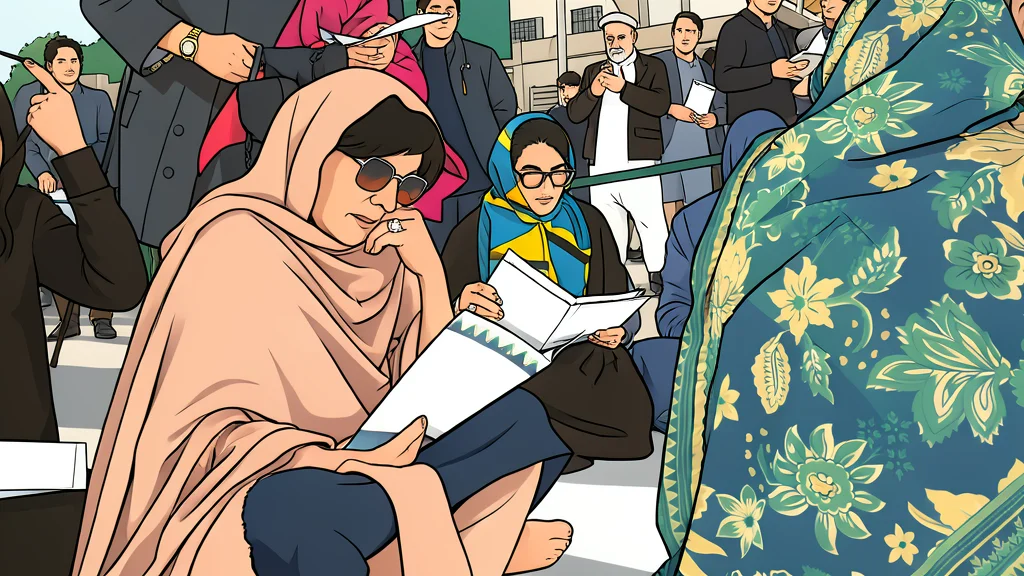
Specific incidents have fueled these accusations. In late 2025, the AU Commission welcomed a peace initiative originating from Port Sudan, a hub associated with the SAF. This move triggered a strong backlash from a broad coalition of Sudanese political parties and civil society groups. They issued a memorandum arguing that the AU lacks the standing to recognize initiatives from one faction while the suspension remains in effect. The protest highlighted a deep-seated frustration that the institution is failing to treat both sides with equal procedural distance.
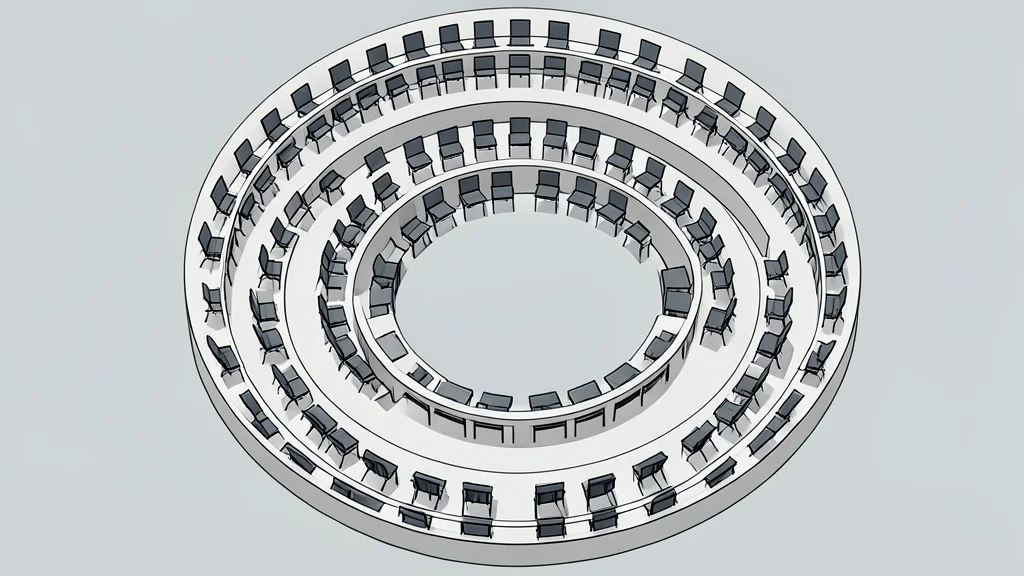
Further allegations suggest procedural imbalances in AU-facilitated dialogues. Civil coalition members have claimed that seat allocations in recent meetings were adjusted to benefit a pro-SAF bloc without clear justification. Such actions, if accurate, would signal a shift from neutral facilitation to active advocacy. The endorsement of the proposed Sudanese-Sudanese Dialogue spearheaded by General al-Burhan adds to this perception, as it extends the tilt rather than correcting it.
The Challenge of Neutrality in War
The difficulty the AU faces is not unique to its bureaucracy but is inherent in the nature of the conflict. In high-intensity wars where both parties are engaged in narrative warfare, neutrality itself can be interpreted as a hostile act by one side or the other. This dynamic creates a paradox for international mediators: any attempt to document abuses or facilitate dialogue risks being framed as taking sides. The AU's struggle reflects a broader challenge for multilateral institutions operating in environments where the binary of friend and enemy dominates public discourse.
Looking ahead, the AU must decide whether to recalibrate its approach to restore credibility. This may involve stricter adherence to procedural fairness or a more explicit reaffirmation of its suspension policy. The forward question is whether the organization can successfully navigate these pressures without alienating either faction, or if the erosion of its neutral standing will limit its effectiveness in achieving a sustainable peace in Sudan.