Nigeria’s Electoral Commission Preps for 2027 Through By-Election Tests

Nigeria’s electoral body has framed recent multi-state by-elections as critical dress rehearsals, aiming to resolve logistical bottlenecks ahead of the general vote.
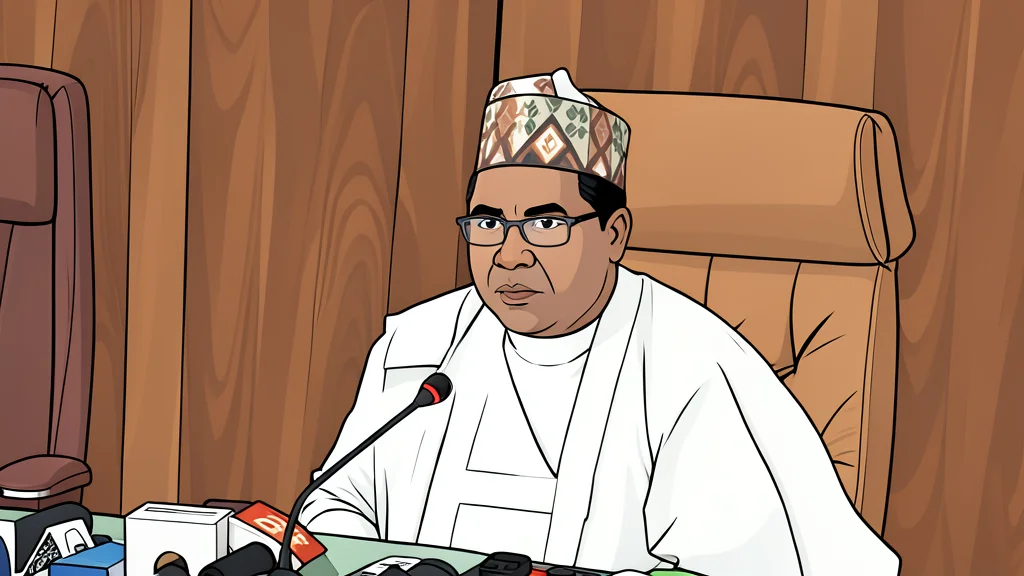
The Independent National Electoral Commission (INEC) has outlined a strategy to bolster public confidence in Nigeria’s upcoming 2027 general elections by leveraging recent by-elections as operational trials. According to a statement released by the commission, Chairman Prof. Joash Amupitan emphasized that the recent contests in four states served as essential tests for the logistical and technological frameworks required for the larger national event.
During a review of operations at the commission’s National Situation Room in Abuja, Amupitan stated that administrative challenges identified prior to the by-elections were addressed proactively. He described these off-cycle votes not as routine occurrences, but as indispensable opportunities to audit field readiness and refine processes, ensuring that the 2027 election meets higher standards of efficiency.
Multi-State By-Elections as Operational Trials
The recent electoral activities took place in the Gombe, Kano, Bauchi, and Delta states, covering specific federal and state constituencies. According to the commission’s media office, these elections were monitored in real-time from the headquarters to assess field performance. The leadership viewed these contests as a way to stress-test the deployment of technology and evaluate the responsiveness of local administrative teams before the full-scale general election.
Amupitan stressed that the commission must resist the tendency to view any single election as trivial. By treating each by-election as a component of broader preparations, the INEC aims to continuously improve its logistical framework. This approach is intended to identify and rectify potential bottlenecks early, thereby reducing the risk of operational failures during the 2027 polls.
Situation Room Monitoring and Crisis Resolution
The commission’s National Situation Room played a central role in overseeing the recent multi-state exercise. Reports indicated that the technical team enabled seamless monitoring of operations across the different regions. The primary mandate of this unit is described as monitoring and proactive crisis resolution, allowing the commission to address administrative or field challenges before they escalate into significant disruptions.
According to the statement signed by the Chief Press Secretary, Adedayo Oketola, the commission successfully managed the identified issues prior to election day. This centralized oversight mechanism is seen as a vital tool for maintaining order and ensuring that the electoral process remains transparent and efficient. The leadership expressed gratitude to the staff for their role in facilitating this smooth monitoring process.
Forward Focus on Electoral Integrity
As Nigeria moves toward the 2027 general elections, the focus remains on translating the lessons learned from these recent by-elections into a robust national strategy. The commission has assured citizens of its commitment to electoral integrity, citing the successful management of the recent tests as evidence of its preparedness. Observers will be watching how the commission applies these operational improvements to the broader context of the national vote, particularly regarding technological deployment and field logistics.