Nigerian Artist Questions Depth of Democratic Practice
A prominent musician has raised concerns about the integrity of recent state elections, linking celebrity advocacy to broader questions of governance in Nigeria.
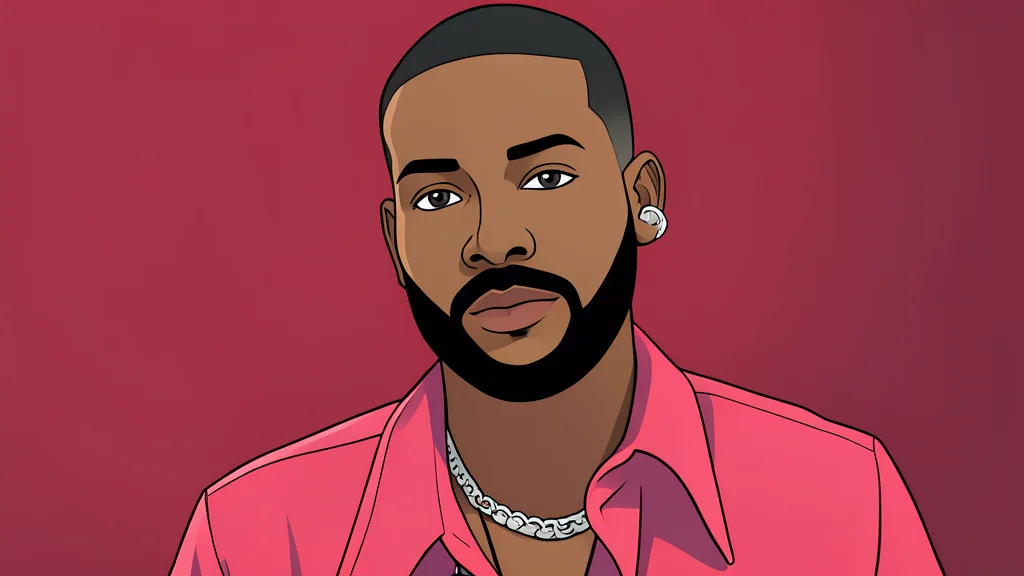
Nigerian Afrobeat artist Adekunle Gold has stated that the country does not practice true democracy, a comment he made while discussing the recently concluded Osun State governorship election. According to the GN auto geopolitics/africa: Nigeria elections report, the remarks were made during a podcast appearance where he connected the election’s conduct to wider systemic concerns.
The singer’s comments followed a public appeal by colleague Davido, who urged United States President Donald Trump to observe the election process. This intervention highlighted a growing trend of Nigerian celebrities engaging directly with international figures to draw attention to domestic political issues, a move that has intensified public debate over the role of public figures in civic life.
Celebrity Advocacy in Political Discourse
During his appearance on the One54 Podcast, Adekunle Gold linked the involvement of entertainers in political conversations to the need for greater accountability in governance. He suggested that when elections generate significant public concern, public figures often feel compelled to voice their views. This perspective frames celebrity advocacy not merely as social media activity, but as a response to perceived gaps in traditional democratic oversight.
The discussion extended beyond the specific election to broader themes of economic progress and citizen welfare. By connecting political developments to the daily lives of citizens, the artist emphasized the tangible impact of governance choices. This approach reflects a shift in how political legitimacy is discussed, with cultural influencers increasingly acting as intermediaries between the state and the populace.
Context of the Osun Election
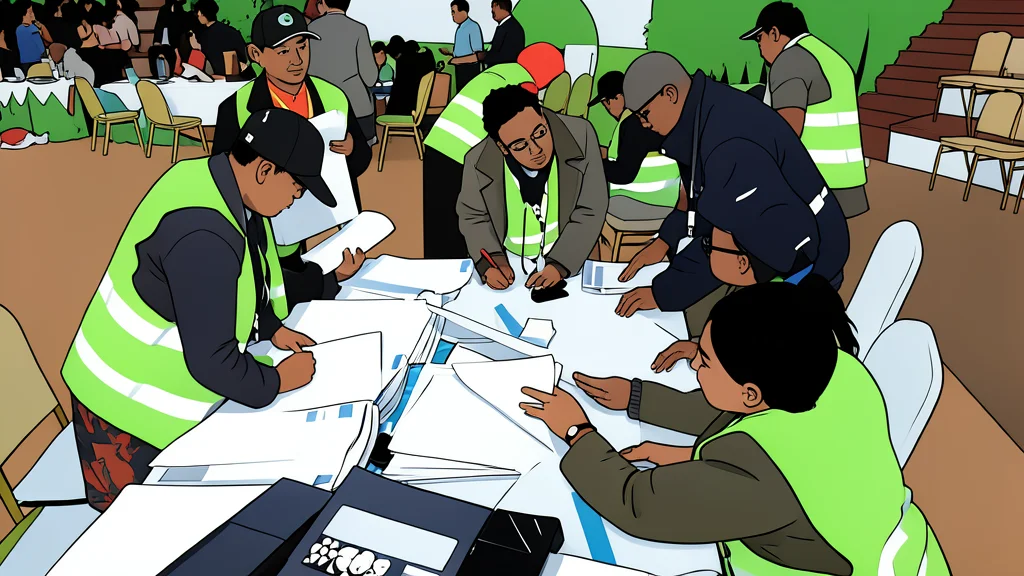
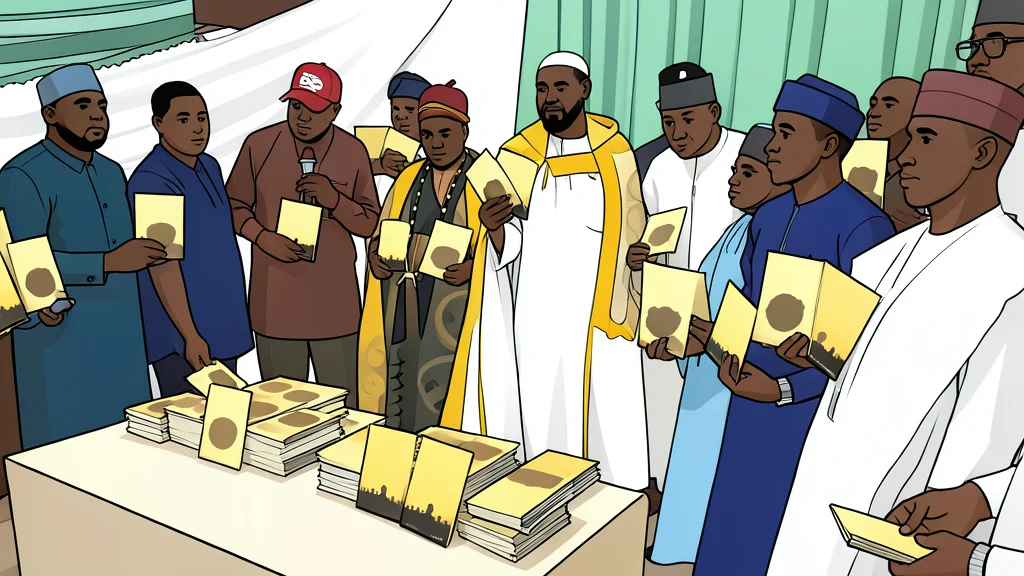
The election in question, held on August 15, 2026, was won by incumbent governor Ademola Adeleke of the Accord Party. While the official result was announced, the outcome attracted varied reactions from politicians, civil society groups, and members of the public. These responses underscored that questions surrounding Nigeria’s electoral processes remain a subject of intense public debate, with many scrutinizing the mechanisms that ensure fair competition.
Implications for Future Governance
As these discussions continue, the focus shifts to how such high-profile critiques influence the broader political landscape. The intersection of celebrity influence and political accountability suggests that public trust in democratic institutions remains a dynamic and contested issue. Observers will be watching to see if these conversations lead to concrete reforms or remain part of the ongoing rhetorical exchange between the state and its citizens.