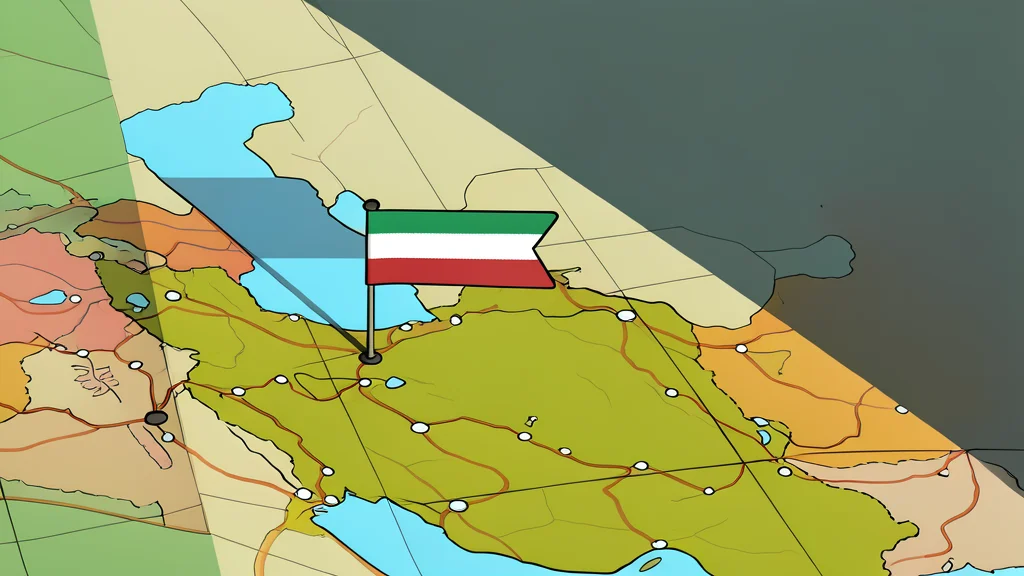
DR Congo Faces Constitutional Unrest Amid Health and Security Crises
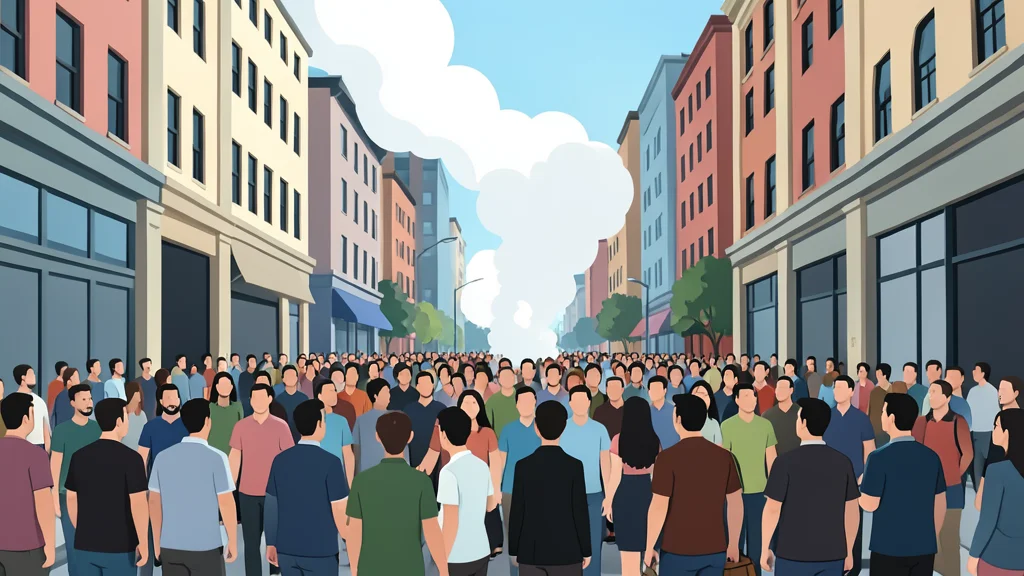
Police in Kinshasa used tear gas to disperse crowds protesting proposed term limits, a move that exacerbates existing tensions in a nation already grappling with a severe Ebola outbreak and eastern conflict.
Violent confrontations erupted in the Democratic Republic of the Congo on Tuesday as police deployed tear gas against demonstrators in the capital, Kinshasa. The protests were organized in response to a legislative move that critics argue would enable President Felix Tshisekedi to seek a third term in office. According to Al Jazeera English, the crackdown marked a significant escalation in political tension within a country already under severe strain from a rapidly spreading Ebola outbreak and persistent armed conflict in its eastern regions.
The demonstrations were part of a nationwide day of action coordinated by the C64 coalition, an opposition alliance formed specifically to counter the proposed constitutional amendments. While authorities imposed restrictions on gatherings, citizens continued to protest in Kinshasa, the mining hub of Lubumbashi, and the eastern city of Uvira. At least ten individuals were reportedly detained during the clashes, although officials dispute the characterization of the arrests as arbitrary.
Contested claims over protest conduct
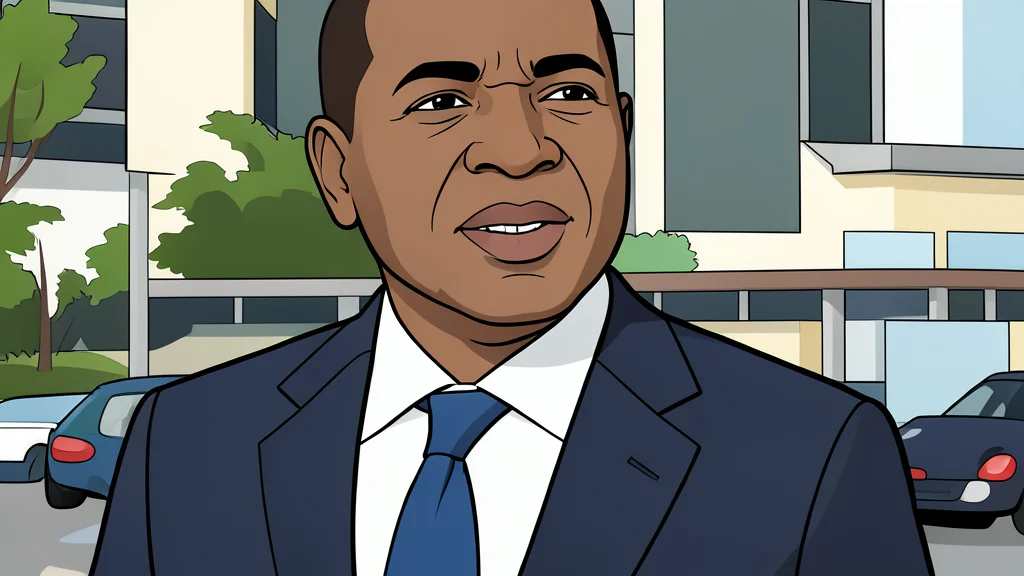
The characterization of the events remains sharply divided between opposition figures and state security officials. Mohamed Eyenga, a senior member of the Envol party and the C64 coalition, stated that activists were arbitrarily arrested. He described the scene as a heavy deployment of army and police forces aimed at preventing what he characterized as a peaceful demonstration. These accounts suggest a significant force was mobilized to manage the crowd, raising questions about the proportionality of the response.
Conversely, General Blaise Kilimbalimba, the provincial police commander, maintained that no peaceful demonstrators were taken into custody. This divergence in narrative highlights the fragile trust between the government and civil society groups. The constitutional framework currently limits presidential tenure to two five-year terms, but a bill adopted by parliament in June allows for changes to be put to a referendum. Supporters of the current administration back these changes, while opposition parties and the influential Catholic Church have strongly condemned the move as a threat to democratic norms.
Political dialogue excludes rebel groups
The political unrest occurs just three weeks after President Tshisekedi announced plans for a national dialogue. This initiative seeks to bring together opposition parties, civil society organizations, and religious leaders to address the country's challenges. However, the framework for these discussions explicitly excludes the M23 rebel group and other armed factions that control parts of eastern Congo. This exclusion complicates efforts to achieve a comprehensive peace, as fighting over the region's resources has persisted for decades and intensified in 2024.
The situation is further complicated by cross-border tensions. Kinshasa has accused Rwanda of supporting the M23 rebels, an allegation that Kigali firmly denies. Key commitments under the current peace process remain unresolved, leaving the region in a state of precarious stability. Officials from both nations are scheduled to meet in Geneva on September 16 and 17 to discuss the implementation of the 2025 Washington Accords. The outcome of these talks will be critical in determining whether the political crisis in the west is linked to the security dynamics in the east.
Compounding health and security challenges
The political instability coincides with a public health emergency of unprecedented scale. The Ebola outbreak, now recorded as the worst in history, is spreading across remote eastern and northern regions. These areas are characterized by weak state presence, limited health infrastructure, and the continued presence of armed groups. The conflict in the east has severely hampered efforts to contain the disease, creating a dangerous intersection of political, security, and health crises that threatens the stability of the entire nation.