El Niño and Conflict Converge to Worsen South Sudan Food Crisis
The World Food Programme warns that a combination of extreme weather and regional instability is pushing millions in South Sudan toward acute hunger, with critical aid resources dwindling ahead of an October deadline.
The hunger crisis in South Sudan has reached a critical juncture, driven by the convergence of violent conflict, economic hardship, and severe climate shocks. According to the UN World Food Programme, more than half of the country's population is currently facing high levels of acute food insecurity. This situation is being exacerbated by the onset of a powerful El Niño weather pattern, which is already reducing agricultural yields in some of the region's most fertile areas.
Matthew Hollingworth, the WFP’s Assistant Executive Director for Programme Operations, stated that these multiple pressures are pushing millions deeper into vulnerability just as humanitarian funding begins to tighten. He noted that without additional resources, an additional one million vulnerable individuals could lose access to life-saving food and nutrition assistance by October. The agency reported that 2.2 million children and 1.2 million pregnant and breastfeeding mothers require urgent nutritional support to prevent further deterioration.
Regional Conflict Drives New Displacement
The ongoing war in neighboring Sudan is significantly intensifying the humanitarian burden on South Sudan. According to WFP data, approximately 3,000 refugees and returnees cross into the country every week, fleeing fighting between government and opposition forces. Hollingworth described arriving in Upper Nile State, where families had traveled for days or weeks on foot, joining communities that are already struggling to feed themselves. This influx places immediate strain on local resources and shelter capacity.
Climate Shocks Reduce Agricultural Output
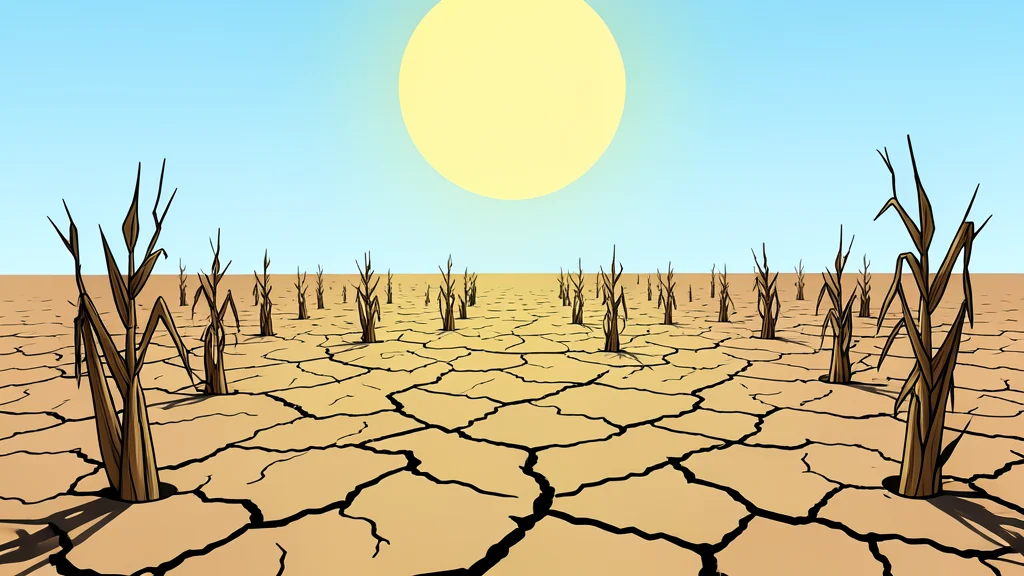
The impact of the so-called super El Niño is already visible across the region, affecting not only South Sudan but also neighboring nations such as Ethiopia, Eritrea, Uganda, and Kenya. The phenomenon, characterized by unusually warm Pacific waters, is disrupting rainfall patterns and causing drought conditions that lead to crop failures. UN Secretary-General António Guterres recently described the event as being supersized before our eyes, highlighting the unprecedented nature of the current climate anomaly and its broader implications for regional food security.
Logistical Barriers Hinder Aid Delivery
Operational challenges further complicate the response, with aid convoys facing illegal checkpoints and taxation along the River Nile, which inflates costs and slows delivery. In Malakal, the capital of Upper Nile State, the cost of transporting goods by road or barge has become prohibitive, leaving many residents reliant on locally grown staples or expensive air freight. Hollingworth warned that these logistical bottlenecks are no longer just a financial issue but are becoming a direct threat to human lives as access to diverse food sources narrows.