IOM Warns of Imminent Collapse in Sudan’s Humanitarian Logistics
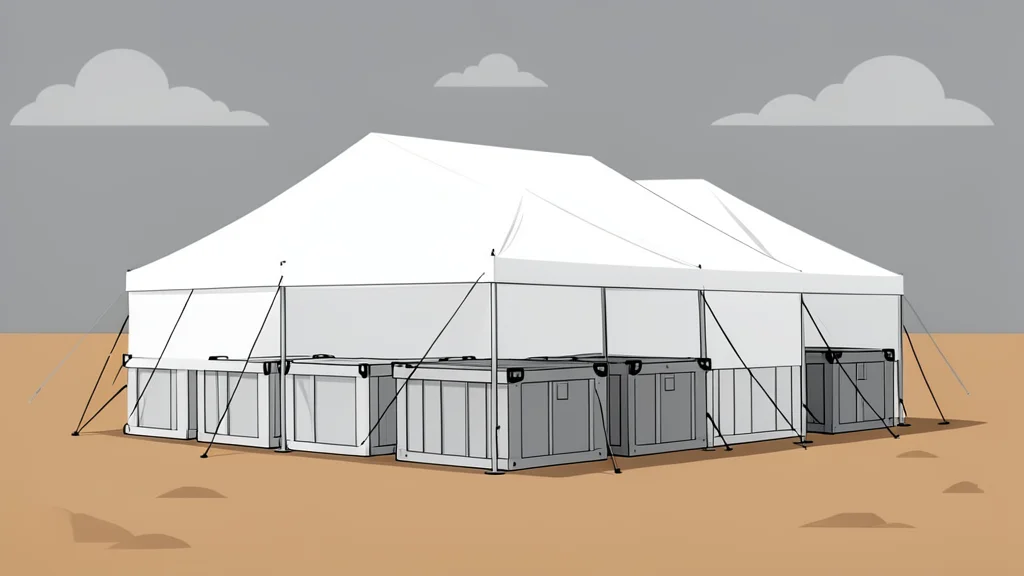
The International Organization for Migration warns that critical relief supplies in Sudan are nearing depletion, threatening the stability of the humanitarian response system.
The International Organization for Migration has issued a stark warning that Sudan’s humanitarian infrastructure is on the brink of failure. According to a statement released on Monday, the agency faces severe funding shortages and the near-total depletion of emergency relief supplies. IOM Director General Amy Pope emphasized the urgency of the situation, stating that the organization cannot abandon the population amid ongoing conflict and displacement. She noted that the entire system could collapse within weeks if immediate financial support is not secured to sustain operations.
The crisis is compounded by environmental factors, including heavy rains that exacerbate the risks for displaced communities. The IOM operates the Common Humanitarian Pipeline, a shared logistics system designed to facilitate the efficient dispatch of aid across the region. While this mechanism has been a vital lifeline, its capacity is currently constrained by a lack of donor contributions. The agency reports that without new funding, it will be unable to direct assistance to the areas where needs are most acute, leaving millions without access to basic necessities.
Shrinking Reach Amid Rising Needs
Data from the IOM indicates a significant contraction in the reach of humanitarian efforts despite unprecedented demand. Since July 2023, the pipeline system has served 2.84 million people, but recent figures show a declining trend in annual beneficiaries. In 2024, more than one million individuals received assistance through the corridor, a number that fell to 804,000 in 2025. As of early 2026, the agency has provided shelter supplies and emergency kits to 330,000 people. This reduction in coverage occurs at a time when the scale of displacement and the impact of the conflict continue to expand.
Critical Funding Gap for 2026
The IOM has identified a specific financial requirement to maintain minimum operational capacity for the coming year. The agency estimates a need for $15 million to keep the humanitarian corridor functional for twelve months during 2026. This funding is intended to support approximately 305,000 people with essential services. However, the organization warns that current stocks of shelter, sanitation, and household supplies could be exhausted by the end of September if additional donor support does not materialize. This timeline presents a narrow window for international actors to intervene and prevent a total breakdown of aid delivery.
Logistical Challenges and Forward Outlook
According to the reporting from GN auto geopolitics/africa: Sudan conflict, the situation reflects a broader pattern of resource strain in protracted crises. The IOM describes the Common Pipeline as a key enabler for the United Nations and its partners, allowing for coordinated and timely dispatch of goods. Yet, the system's effectiveness is directly tied to its financial viability. The forward question for observers remains how the international community will respond to this warning. The coming months will likely see intensified diplomatic efforts to secure the necessary funds, while the humanitarian situation on the ground continues to deteriorate in the absence of immediate action.