IPOB Urges Referendum over 2027 Elections

The Indigenous People of Biafra argues that Nigeria's core issues require a constitutional vote rather than another leadership change.
The Indigenous People of Biafra has publicly dismissed the upcoming 2027 general elections as an insufficient mechanism for resolving Nigeria's political challenges. In a statement released recently, the separatist group argued that the nation faces a fundamental crisis of political consent that cannot be addressed by simply replacing the executive leadership. Instead, IPOB is calling for a nationwide referendum to allow citizens to determine their preferred constitutional future.
According to the group's spokesperson, Emma Powerful, the debate surrounding the next administration should not be reduced to a choice between President Bola Tinubu and opposition figures such as Atiku Abubakar and Peter Obi. The organization maintains that repeatedly electing different leaders without addressing what it describes as foundational structural problems is a futile exercise. This position, reported by GN auto geopolitics/africa: Nigeria elections, reflects a long-standing stance that prioritizes self-determination over partisan competition.
Rethinking the constitutional framework
IPOB draws a sharp distinction between general elections and referendums, arguing that the former determines who holds power for a set term, while the latter allows the populace to define the governing rules themselves. The group suggests that a referendum would not necessarily lead to the immediate breakup of the country but would provide a democratic avenue for Nigerians to choose among remaining together under a new constitution, adopting a different federal arrangement, or pursuing full self-determination.
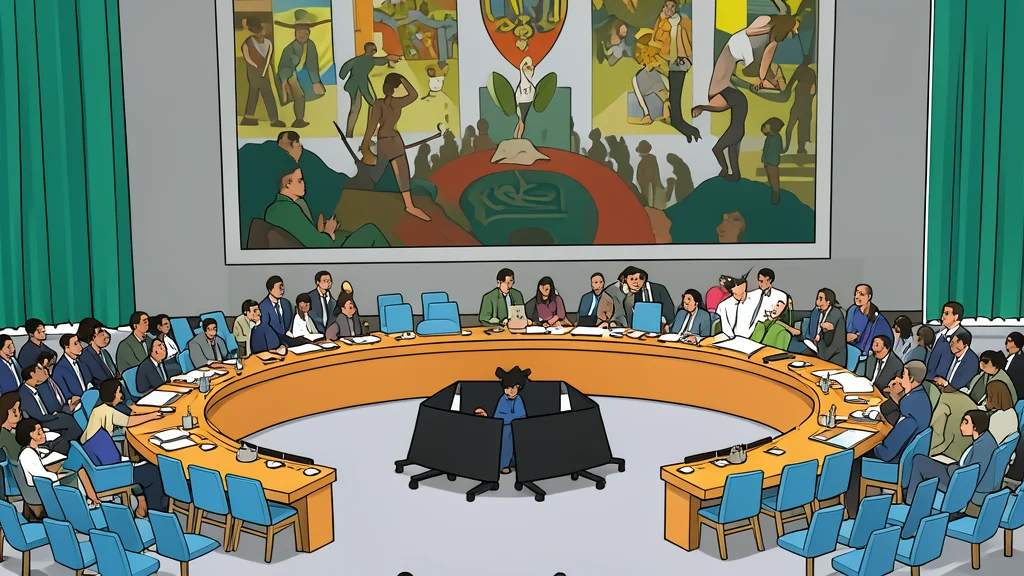
To support this argument, the organization cited historical precedents in the United Kingdom, referencing the independence referendum in Scotland and the devolution votes in Wales and Northern Ireland. IPOB also pointed to a recent memorandum signed in Cardiff by leaders of Plaid Cymru, the Scottish National Party, and Sinn Féin. In that document, these parties asserted the right of their respective peoples to determine their constitutional futures through democratic means, a move the group views as evidence that such processes are viable in modern democracies.
Critiques of inherited democracy
The group also leveraged recent comments from former Nigerian leaders to reinforce its position. Former President Olusegun Obasanjo, speaking at a democracy dialogue in Bauchi, criticized the Western liberal democratic model inherited by African nations. According to reports, Obasanjo argued that this model often lacks sufficient African context and content. Similarly, former President Goodluck Jonathan has previously highlighted the historical difficulties Nigeria has faced in achieving national integration since the 1914 amalgamation.
By aligning with these critiques, IPOB seeks to frame the 2027 election cycle as a broader opportunity for the country to confront the question of political consent. The organization asserts that the central issue is not merely who governs Nigeria, but what political arrangement the people freely consent to live under. This perspective challenges the conventional view that periodic balloting is the ultimate solution to governance disputes.
Looking ahead to 2027
As the political landscape shifts toward the next electoral cycle, the call for a referendum adds a new dimension to the national discourse. While mainstream political parties focus on candidate selection and policy platforms, IPOB continues to push for a structural reevaluation of the state. Observers will likely watch how the federal government and other political actors respond to these demands, particularly as the debate over national unity and regional autonomy intensifies in the lead-up to 2027.