Nigeria Calls for Global Governance Reform at BRICS Summit
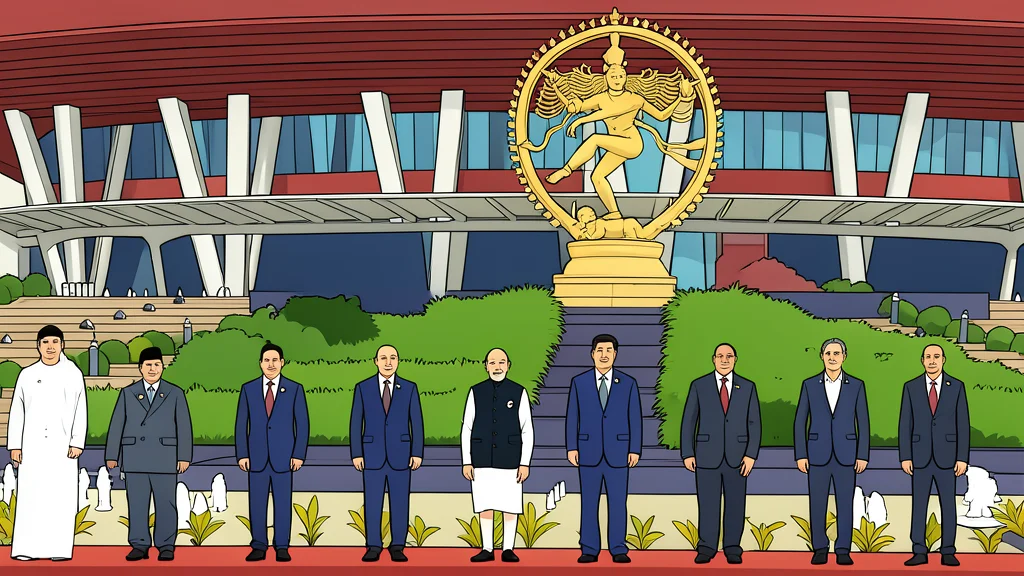
Nigeria’s Vice President urges the international community to restructure political and financial institutions to better reflect the realities of the Global South.
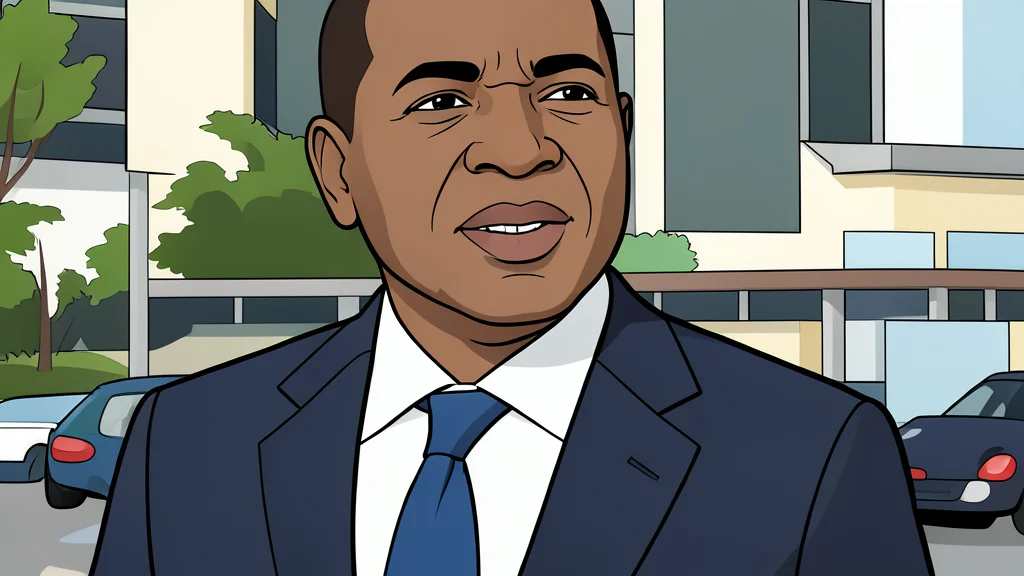
At the 2026 BRICS Summit in New Delhi, Nigeria has formally called for a comprehensive overhaul of the international political structure. Speaking on behalf of President Bola Tinubu, Vice President Kashim Shettima argued that current global institutions no longer align with contemporary economic and demographic realities. He emphasized that the United Nations Security Council and international financial bodies require significant reform to create a more equitable and responsive system.
The address, reported by GN auto geopolitics/global: international summit, framed this demand as a broader movement among developing nations. Shettima stated that Nigeria supports a more representative global governance architecture, asserting that the transformation sought must extend deep into the international system. This position reflects a growing push for an inclusive international order that accounts for the shifting power dynamics among emerging economies.
Pushing for Institutional Equity
Shettima highlighted the need for institutions to mirror the current geopolitical landscape. He noted that Nigeria’s call is part of a wider demand from the Global South for a system that is both equitable and responsive to modern challenges. By advocating for changes in the UN Security Council, the Nigerian delegation seeks to ensure that decision-making processes are more representative of the world’s actual economic and population distribution.
The speech underscored a shift in how African nations engage with global forums. Rather than merely participating in existing structures, Nigeria is positioning itself as a voice for structural change. According to the Vice President, this approach is essential for building a resilient global order that can withstand future shocks while promoting sustainable development for all member states.
Prioritizing African Development Goals
Beyond diplomatic rhetoric, Shettima outlined specific objectives for Nigeria’s engagement with BRICS. He emphasized that the partnership should promote mutually beneficial cooperation, strengthen South-South ties, and advance Africa’s development priorities. He stated that the goal is to move the continent from the margins of global development to the frontiers of global growth and innovation.
The Nigerian delegation requested enhanced collaboration in key sectors such as trade, agriculture, energy, and infrastructure. Shettima specifically urged member states to partner with Nigeria in developing artificial intelligence, digital public infrastructure, and advanced manufacturing. He argued that developing countries must produce their own technology and own intellectual property to avoid renting their future.
Technology and Human Capital
Shettima identified Nigeria’s young population as a critical asset for future innovation. With an average age of under 17, he suggested that the country’s demographic profile drives its innovation agenda. He called for investment in human capital development and technology transfer, viewing the BRICS partnership as an opportunity to build a resilient economy capable of creating sustainable opportunities for its citizens.