South Sudan Disputes UN Election Readiness Assessment

Juba dismisses recent UN findings on logistical and security constraints, asserting that domestic political processes must lead the country's democratic transition.
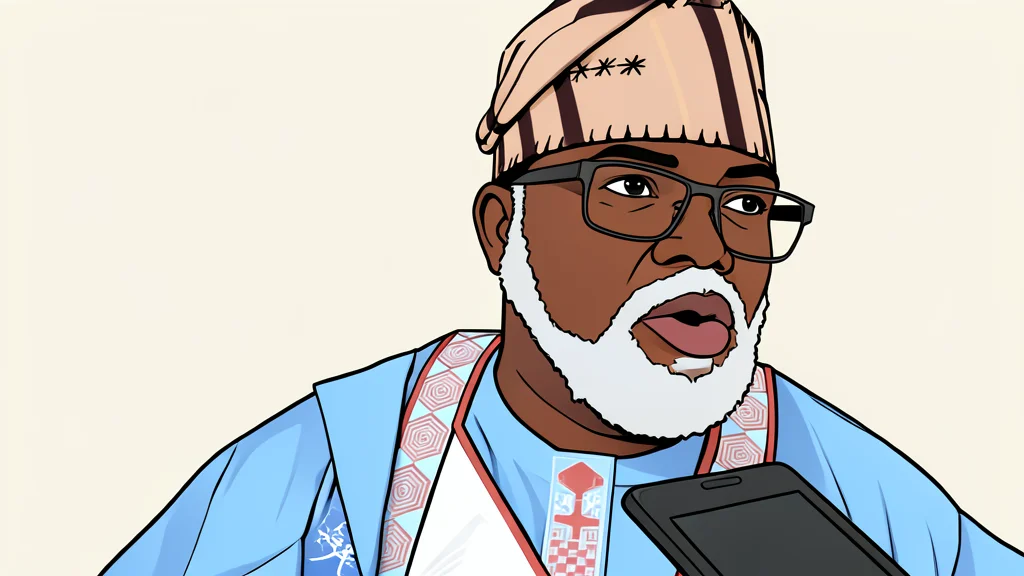
The Government of South Sudan has formally disputed the conclusions of a recent report by the United Nations Commission on Human Rights regarding the country's readiness for general elections. In a statement issued in Juba, Foreign Affairs Spokesperson Ambassador Apuk Ayuel Mayen described the UN's findings as unfounded, rejecting the assessment that significant logistical and security barriers currently impede the electoral timeline.
The friction arose following the commission's fourteenth visit to the nation, where officials warned that active conflict in nearly half of the states could severely limit voter participation. While the UN highlighted a lack of funding for the proposed 100-day timetable, the South Sudanese government maintains that the path forward must be determined through internally owned political mechanisms rather than external conditionalities.
Divergent Views on Security Constraints
According to the UN officials, the current security landscape presents a critical challenge to the integrity of the upcoming vote. Their assessment suggests that without substantial improvements in stability and resource allocation, the planned democratic transition faces significant risks. This perspective emphasizes the practical difficulties of conducting elections in regions where armed conflict remains an active presence.
In response, Ambassador Mayen argued that such characterizations overlook the government's ongoing efforts to stabilize the nation. She emphasized that the state remains committed to the Revitalized Peace Agreement as the primary framework for advancing peace and stability. The spokesperson insisted that the government's rejection of the report does not signal a withdrawal from the peace process, but rather a defense of national sovereignty in how that process is managed.
Sovereignty and Domestic Political Ownership
Juba has placed considerable emphasis on the principle of national ownership in its political transition. Ambassador Mayen stated that internal dialogues and inter-party negotiations must lead the way, rather than being dictated by international bodies. This stance reflects a broader diplomatic position that seeks to balance international support with the preservation of independent decision-making authority in Juba.
The government has indicated that it will continue to engage with the United Nations, the African Union, and other international partners. However, this engagement is framed as conditional upon the respect for South Sudan's sovereignty. The administration views the election process as a sovereign act that must be shaped by the nation's own political consensus.
Future Diplomatic Engagements and Observations
As the electoral calendar progresses, the divergence between the UN's technical assessments and the government's political narrative remains a central point of tension. Analysts note that the coming months will be critical in determining whether the logistical concerns raised by the commission are addressed or if they persist as obstacles to the vote.
According to GN geopolitics/rights (en-US), the situation remains fluid. The key question moving forward is how the international community will respond to the government's dismissal of the report. Whether through increased funding, diplomatic pressure, or continued dialogue, the next steps in this process will likely define the trajectory of South Sudan's democratic transition.