Sudan Gold Mine Collapse Kills Dozens in West Kordofan
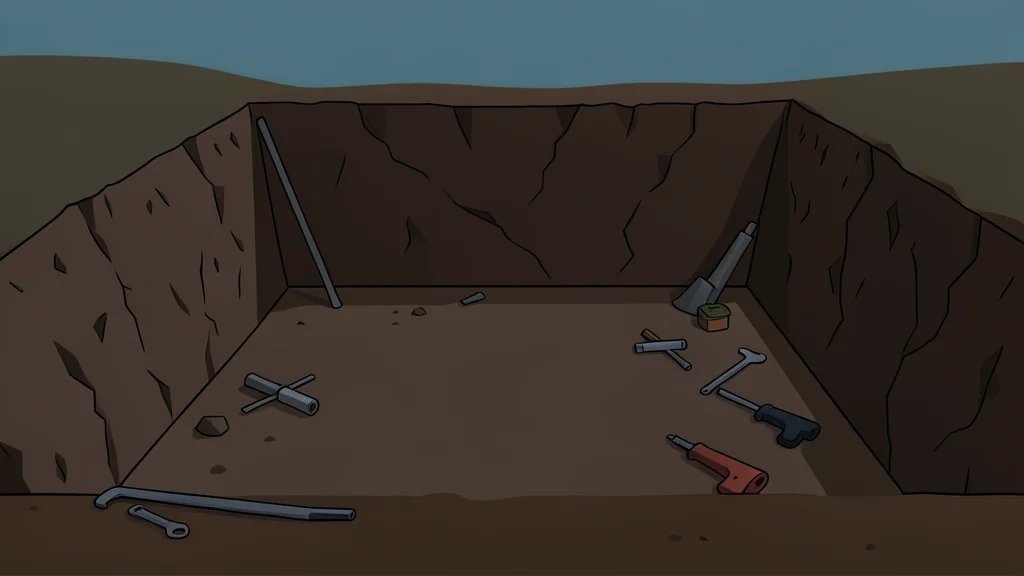
A deadly collapse at an unregulated mine in West Kordofan has killed at least 82 people, highlighting the lethal risks of Sudan's artisanal gold rush amid ongoing conflict.
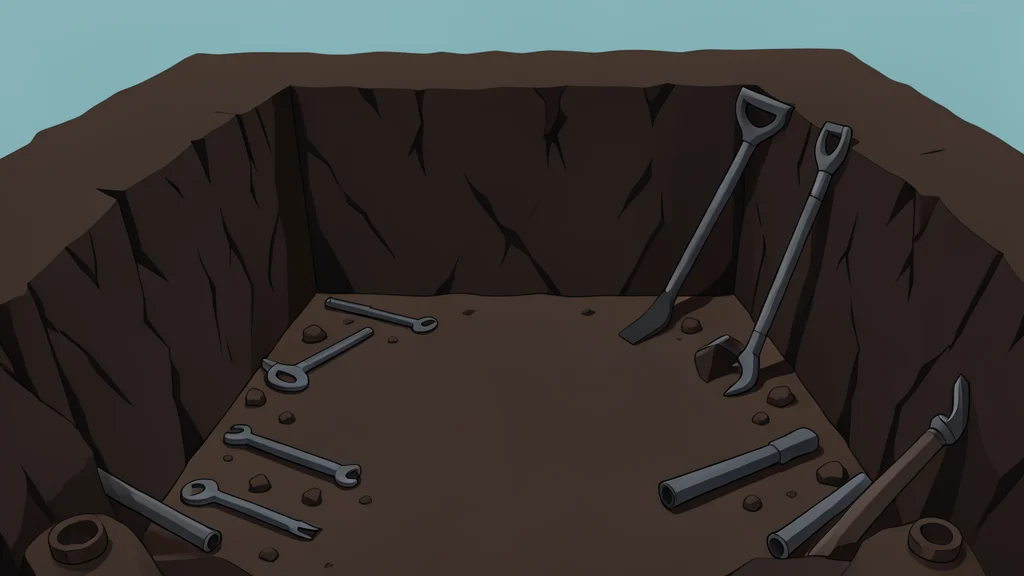
At least 82 people have been killed and dozens more injured in a gold mine collapse in southern Sudan, according to a local administrator within the Rapid Support Forces (RSF). The incident occurred at the Al-Zaraa mine in West Kordofan state, where many others remain missing and are feared dead beneath the rubble. Survivors described an all-night rescue effort that began on Tuesday, with workers using rudimentary tools to dig through sand and rock after heavy machinery was unavailable.
The disaster underscores the precarious conditions of artisanal mining in the region, which is under RSF control. Since the war erupted in 2023, both the RSF and the Sudanese military have relied heavily on the country’s gold trade for funding. With much of the population out of work, thousands of young men have turned to dangerous, unregulated mines to earn a living, often working with their hands and exposing themselves to hazardous chemicals like cyanide.
Lethal Conditions in Unregulated Mines
Miners in West Kordofan operate in informal zones that are effectively large, unsecured pits. Al-Amin Suleiman, a miner who was working near the site, noted that the shafts are closely packed, meaning a collapse in one section can trigger failures in adjacent areas. "I don't think they are alive," he said regarding those still trapped underground. The lack of structural safety standards and the use of basic tools for extraction create a high-risk environment where accidents are common and rescue efforts are severely limited.
According to industry figures, artisanal mining employs more than two million people in Sudan, even before the current conflict exacerbated economic instability. The European Union has recently banned the sale of mercury and cyanide to the country due to their role in this exploitative trade. Despite these measures, the demand for gold continues to drive workers into dangerous conditions, with many relying on community networks for survival in areas where state governance is limited.
Gold Trade Funding the Conflict
Sudan’s gold production reached a five-year high of 70 tonnes last year, according to industry sources. However, officials indicate that much of this output is smuggled across borders through Chad, South Sudan, and Egypt before reaching the United Arab Emirates. The UAE, a major global gold exporter, has denied reports that it arms the RSF, despite allegations that proceeds from the trade finance weapons procurement and military operations for both warring factions.
Limited Rescue Capabilities in Conflict Zones
Large-scale rescue operations are difficult to execute in West Kordofan, where the RSF maintains control alongside the neighboring Darfur region. The paramilitary group has declared a parallel government, but its administrative capabilities remain constrained. People in western Sudan remain largely dependent on aid and local community structures. The inability to deploy heavy machinery or coordinated emergency services leaves victims of mine collapses with little hope of timely rescue, as seen in the ongoing retrieval of bodies from the Al-Zaraa site.