UN Agencies Warn of Imminent Aid Collapse in Sudan Due to Funding Gaps
United Nations officials have issued a stark warning that the humanitarian infrastructure in Sudan could disintegrate within weeks if urgent financial support is not secured to sustain ongoing relief operations.
The International Organisation for Migration has cautioned that severe funding shortages are forcing agencies to consider scaling back critical assistance. According to the agency’s leadership, the organization faces a difficult choice between maintaining current operations and withdrawing from areas where needs are most acute, a decision driven entirely by a lack of available resources.
This warning arrives against a backdrop of escalating instability, with millions of people currently facing crisis-level food insecurity. The situation is further complicated by environmental factors, including drought patterns linked to El Niño, which have exacerbated the scarcity of water and food in already vulnerable regions.
Leadership emphasizes urgent need for resources
Amy Pope, the Director-General of the IOM, stated that humanitarian actors cannot turn their backs on the population during such a critical period. She noted that without immediate action, the entire system supporting aid delivery risks collapsing, potentially leaving millions without access to basic necessities like shelter, medical care, and safe water.
Carl Skau, acting director of the World Food Programme, echoed these concerns following a recent eight-day trip to the country. He described the crisis as receiving far less international attention than it warrants, noting that while the organization has the capacity to deliver effective aid, it is primarily constrained by financial limitations.
Field observations reveal widespread displacement
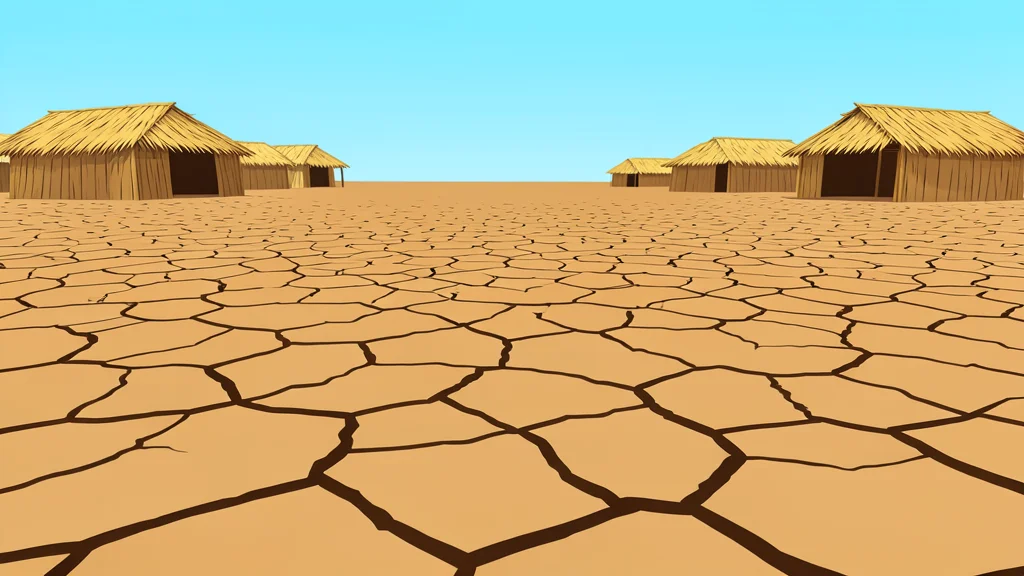
During his visit, Skau traveled to several key locations including El Obeid, El Fasher, and Khartoum. He reported speaking with residents who had walked for days to reach displacement camps after their homes were destroyed. In North Darfur, he observed hundreds of thousands of people living in temporary shelters, describing the scene as an endless expanse of grass huts.
The acting director also highlighted the devastation in El Fasher, a city hollowed out by a prolonged siege. He emphasized that the conditions illustrate the long-term impact of conflict and underscore the necessity of ending hostilities to provide sustainable support to civilians.
Calls for safe humanitarian access
The UN’s aid office, OCHA, has renewed its call for all parties involved in the conflict to protect civilians and infrastructure. According to OCHA, it is essential to ensure rapid, safe, and unhindered access for humanitarian workers to reach those in need across the country.
As the conflict between rival military forces continues, the focus shifts to the immediate need for financial commitment from donors. The coming weeks are critical, as the ability to expand air services and reach isolated communities depends directly on the influx of new funding. Observers will likely watch for donor responses and any changes in the operational scope of aid agencies in the near term.