Florida Advances Domestic Terror Designation Framework
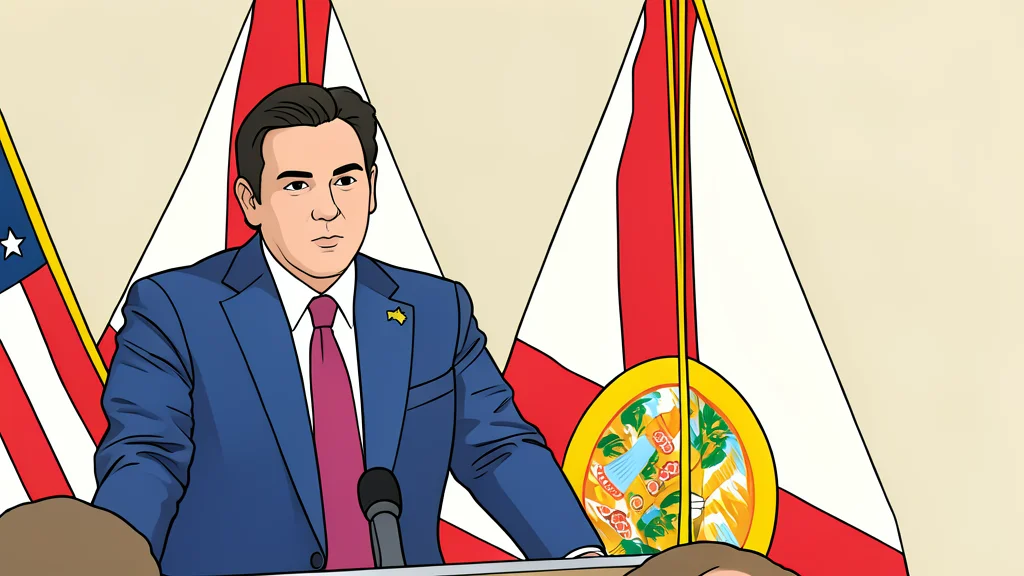
Florida officials approved a rule setting the stage for designating specific organizations as domestic terrorist groups, a move that has already sparked legal challenges and broader debate over state powers.
The Florida Cabinet voted on Friday to approve a regulatory process that governs how the state designates organizations as domestic or foreign terrorist groups. The procedure, which concluded in under two minutes, paves the way for the state to formally label the Council on American Islamic Relations (CAIR), the Muslim Brotherhood, and Antifa. This action follows a recommendation from the Florida Department of Law Enforcement (FDLE) that was issued more than two months ago.
According to GN geopolitics/terror (en-US), the new rule establishes a specific notification pathway. It requires the state’s Chief of Domestic Security to inform the governor and the Cabinet of plans to designate any organization. This framework was built upon legislation passed earlier this year, which empowers the FDLE chief to label groups based on specific criteria, subject to executive ratification. The move marks a significant shift in how the state interacts with non-profit and advocacy organizations.
Legislative Basis for New Rules
The underlying authority for these actions stems from a bill passed by the Florida Legislature earlier this year. The legislation prohibits state agencies, local governments, and public school districts from expending or accepting funds to support any designated group. It also restricts public schools from maintaining on-campus programs that promote such organizations, effectively cutting off state financial support for groups deemed a threat.
The law extends its reach to higher education institutions as well. Colleges and universities are required to report on the status of international students if they are found to promote a designated organization. Students identified as supporters of such groups face potential expulsion. These provisions create a direct link between organizational designation and individual institutional consequences, particularly for those relying on student visas.
Legal Challenges and Civil Liberties
The designation process has already faced significant legal scrutiny. The American Civil Liberties Union (ACLU) and other legal groups filed a lawsuit in the U.S. District Court for the Northern District of Florida in July. They argue that the legislation violates constitutional protections. Hina Shamsi, director of the ACLU’s National Security Project, stated that Florida officials have no legitimate basis to apply such labels to civil rights organizations.
Prior to this cabinet approval, Governor Ron DeSantis attempted to designate CAIR and the Muslim Brotherhood through an executive order in December. A federal judge subsequently issued a temporary injunction blocking that specific designation. The administration has appealed this ruling. While the cabinet vote focuses on the procedural rules, it is part of a broader effort to formalize the state’s approach to domestic security threats, including recommendations to designate over 90 other groups, such as various cartels and foreign state actors.
Procedural Steps and Future Actions
Under the newly approved rule, any designation becomes effective 30 days after its publication in the Florida Administrative Register. Organizations placed on the list are given seven days after notice to object in writing and provide documentation. The FDLE Commissioner, Mark Glass, defended the move, citing imminent dangers to public safety from both foreign and domestic actors. He described the framework as necessary to allow the state to act appropriately against potential threats.
The next steps will likely involve the formal publication of these designations and subsequent legal challenges in federal courts. Observers will watch closely whether the state proceeds with designating the additional 90 groups mentioned in earlier reports. The interplay between state executive power, legislative mandates, and federal judicial oversight will determine the ultimate scope of this new domestic security regime.