RAF A400M Grass Runway Tests in Poland Signal Adaptation to Eastern Flank Threats

Royal Air Force crews are refining dispersal tactics in Poland, prioritizing operational resilience over fixed infrastructure as security concerns mount along NATO's eastern border.
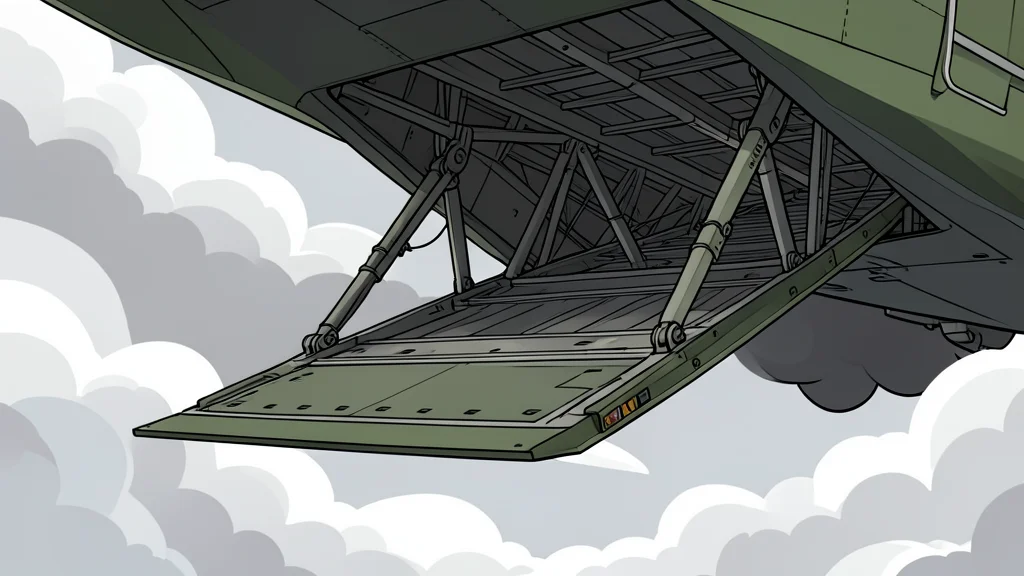
Royal Air Force personnel have completed a series of tactical exercises in Poland, focusing on the capability to operate from unprepared grass airfields. The training, conducted by 70 Squadron alongside Polish Air Force counterparts, emphasized low-level flight profiles, airdrops, and the movement of heavy vehicles. According to GN geopolitics/nato, this shift toward austere operations reflects a broader strategic adjustment within the alliance, driven by heightened threats to fixed military infrastructure.
The core objective of these maneuvers is to reduce reliance on established airbases, which are often high-value targets in modern conflicts. By demonstrating the ability to disperse aircraft and maintain air mobility from temporary locations, the RAF aims to preserve operational continuity even under pressure. Wing Commander Doug Grove, Officer Commanding 70 Squadron, noted that such proficiency ensures the force remains ready to fly and fight, while also fostering seamless interoperability with NATO partners.
Dispersal Tactics Reduce Infrastructure Risk
Traditional air operations depend heavily on large, fixed runways and support facilities. This concentration of assets creates vulnerability to precision strikes or drone attacks. The recent exercises in Powidz tested the A400M’s ability to function in these non-standard conditions, allowing aircrews to gain experience in navigating the logistical challenges of dispersal. This approach allows the force to sustain missions when access to conventional airfields is limited or compromised.
The training also highlighted the importance of mutual learning between allied nations. By practicing together, RAF and Polish pilots developed shared procedures for operating in remote areas. This cohesion is critical for reinforcing the overall resilience of the alliance, ensuring that multinational forces can coordinate effectively during a crisis.
A400M Capabilities Extend to Arctic Regions
The A400M’s versatility extends beyond European borders. The aircraft has recently supported humanitarian missions, including the transport of medical personnel to Tristan da Cunha, and continues to provide resupply flights in the Middle East. Its ability to carry troops, tactical vehicles, and supplies from temporary runways makes it a cornerstone of the Air Mobility Force. This flexibility is increasingly relevant in the High North, where Arctic and sub-Arctic regions are viewed as strategically significant for NATO security.
As several NATO members operate the same platform, joint training on the A400M strengthens interoperability across the alliance. The RAF views the High North as an area of growing importance, requiring robust air mobility options to protect British interests and support allied operations. The Poland exercises represent a key step in preparing for these diverse and evolving operational requirements.
Forward Focus on Eastern Flank Security
The geopolitical context for these exercises is defined by recent drone incursions and rising tensions along NATO's eastern flank. As threats to military infrastructure increase, the ability to operate from dispersed, austere locations becomes a critical defensive asset. The focus on grass-runway operations signals a sustained commitment to adapting air force doctrine to meet these challenges.
Observers should watch for further multinational training events in the region, as well as any updates to NATO's air mobility strategies. The continued emphasis on dispersal and interoperability suggests that the alliance is prioritizing resilience and flexibility in its force structure, preparing for a range of potential scenarios in the coming years.