Afghanistan Rights Crisis Escalates as UN Council Meets

The UN Security Council convened to address the deteriorating human rights situation in Afghanistan, where civil society representatives described the daily existence of women as criminalized under current de facto authorities.
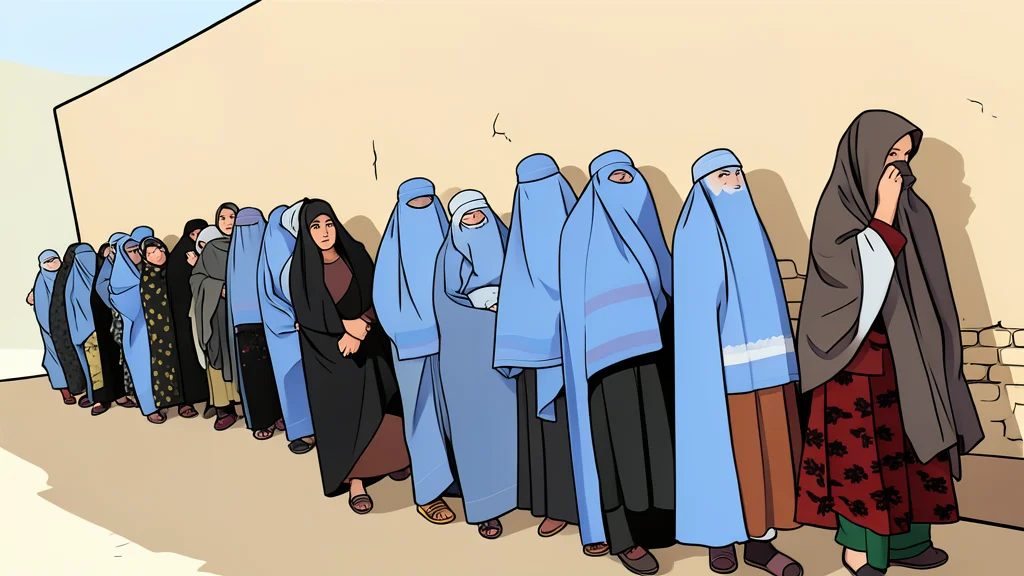
The United Nations Security Council gathered on Wednesday to examine the escalating humanitarian and legal crisis in Afghanistan. The session focused on the systemic restrictions imposed since the Taliban returned to power in 2021, with particular emphasis on the erasure of women’s rights. According to a brief from the UN Human Rights Office, the general plight of Afghans has worsened significantly, with millions falling into poverty while basic human rights are routinely violated by the de facto authorities.
A representative from civil society starkly summarized the current reality for half the population, stating that being born as a woman in the country is effectively treated as a crime. This declaration underscored the severity of the restrictions, which have included the denial of access to secondary and higher education for over two million girls and women. The council heard that these measures are not isolated incidents but part of a broader pattern of control enforced by the current administration.
Systematic Enforcement of Social Codes
The reporting indicated that both men and women face arbitrary arrests by the Taliban’s Office for the Propagation of Virtue and Prevention of Vice. These detentions are primarily driven by alleged violations of strict dress codes, beard length requirements, and prohibitions on the playing or listening to music. The UN noted that at least 449 individuals were subjected to corporal punishment by these authorities in the first half of the year, highlighting the physical severity of the enforcement mechanisms.
Beyond physical restrictions, the suppression of free expression has become a central concern. Censorship of the media continues, accompanied by the temporary closure of news outlets and the arrest of journalists. According to the brief, these actions aim to control the narrative and limit external scrutiny of the internal governance and human rights conditions within the country.
Council Response to Escalating Tensions
The Security Council’s session serves as a diplomatic forum to assess the security implications of these rights violations. While the primary focus was on the humanitarian impact, the presence of terrorist groups in the region also remains a significant concern for international security. The delegations discussed the interplay between internal stability and external threats, noting that the current social climate may further destabilize the region.
As the discussions concluded, attention turned to the potential for further diplomatic engagement or sanctions. The international community is closely monitoring whether the de facto authorities will adjust their policies or if the restrictions will deepen. The outcome of these deliberations will likely shape the next phase of international aid and diplomatic pressure applied to Afghanistan.
Future Watchpoints for Diplomatic Action
Observers are now watching for specific follow-up actions from the UN Human Rights Office and the Security Council. Key indicators include new reports on the implementation of educational bans, the frequency of corporal punishments, and the status of detained journalists. The coming months will reveal whether the international community can leverage diplomatic tools to mitigate the ongoing crisis.
This coverage is based on reporting from GN geopolitics/rights (en-US). The situation in Afghanistan remains fluid, with the human rights landscape continuing to evolve under the current administration. Stakeholders are advised to monitor official UN channels for the latest updates on the security and humanitarian status of the region.