Congress Criticizes Modi-Xi Meeting as Calibrated Capitulation

Opposition leaders question whether recent diplomatic engagements have weakened India's strategic position along the disputed border.
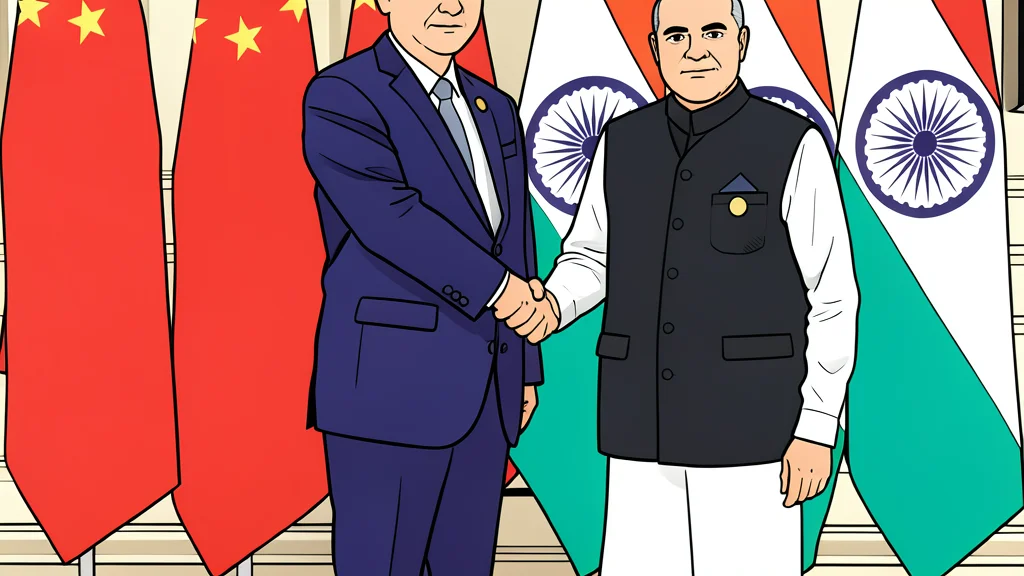
The Congress party has sharply criticized Prime Minister Narendra Modi’s recent diplomatic engagement with Chinese President Xi Jinping, labeling the approach as "calibrated capitulation." The statement, issued by senior party leader Jairam Ramesh, arrived shortly after the two leaders met on the sidelines of the BRICS Summit in Delhi. According to the opposition, the tone of the meeting suggests a significant shift in India’s posture regarding long-standing border disputes and trade imbalances.
The criticism centers on the perception that India has conceded key negotiating points in the post-2020 normalization process. Congress argued that the government’s failure to retract certain statements made during the height of the Ladakh tensions has compromised India’s leverage. This assessment comes as New Delhi and Beijing continue to manage a fragile détente following years of heightened military standoff and diplomatic friction.
Questions on Border Negotiations
The opposition party posed four specific inquiries to the prime minister, focusing primarily on the military disengagement in eastern Ladakh. Congress questioned whether the government’s earlier assertion that Chinese troops had not entered Indian territory during the Galwan Valley clash had inadvertently weakened India’s subsequent negotiating stance. The party noted that this statement was never officially retracted, a point they argued remains a vulnerability in diplomatic discussions with Beijing.
Furthermore, the party alleged that traditional Indian patrolling and grazing rights in large stretches of eastern Ladakh have been quietly surrendered. References were also made to reported encroachments in Arunachal Pradesh, a region China claims as "South Tibet." According to Congress, the government has allowed China’s territorial advances to proceed without sufficient pushback, undermining the integrity of the Line of Actual Control.
Strategic Concerns and Trade Deficits
Beyond the border, the criticism extended to broader strategic alliances and economic dependencies. Congress asked whether India’s position on Beijing’s support for Pakistan had been softened, particularly in the context of recent regional conflicts. The party cited claims that China provided real-time intelligence to Pakistan during the May 2025 standoff, suggesting a deepening strategic alignment that poses a threat to India’s security architecture.
Economic issues formed another pillar of the opposition’s critique. Congress highlighted that the trade deficit with China reached a record high in the recent financial year, citing a dangerous level of dependence on Chinese critical raw materials and manufacturing components. The party argued that the "Make in India" initiative has become contradictory to the reality of heavy reliance on Chinese imports, creating a vulnerability in the domestic industrial supply chain.
Diplomatic Thaw and Future Outlook
Despite the domestic political friction, official channels maintain that relations are stabilizing. Following the October 2024 patrolling arrangement, both nations have engaged in multiple rounds of military and diplomatic talks to resolve the standoff. The Ministry of External Affairs reported that both leaders agreed to view their ties from a strategic, long-term perspective, emphasizing that differences should not escalate into disputes.
As the geopolitical landscape in Asia-Pacific remains fluid, observers will watch whether the next round of border talks yields tangible concessions or if the criticism from the GN auto geopolitics/asia-pacific: India China border desk reflects a deeper strategic rift. The coming months will test the durability of the current disengagement, particularly as both nations continue to assert their respective claims along the rugged mountainous frontier.