India and China Prioritize Trade Growth Despite Border Friction
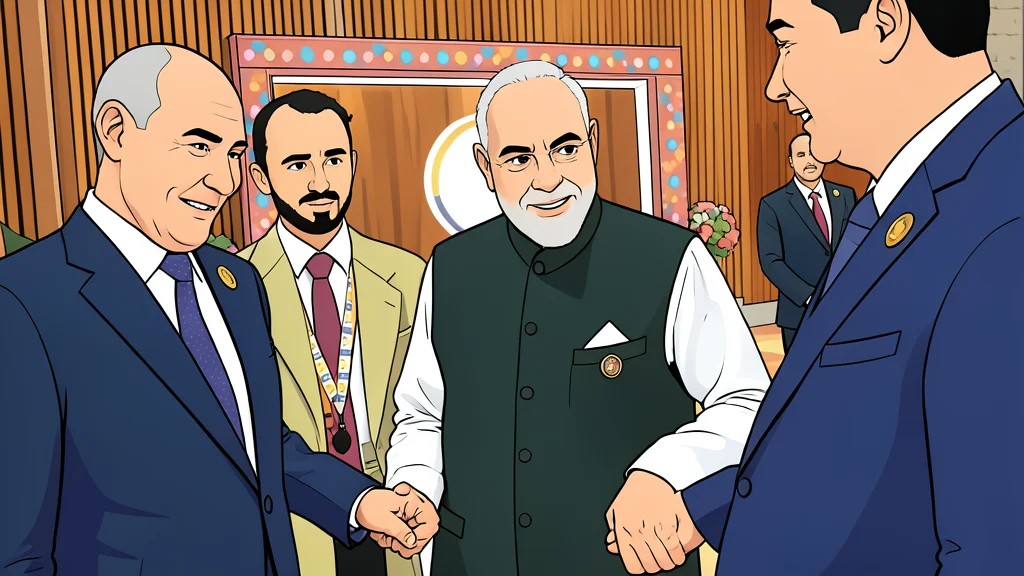
New Delhi and Beijing signaled a commitment to deepening economic ties during a high-level summit, aiming to address structural imbalances while managing lingering geopolitical tensions.
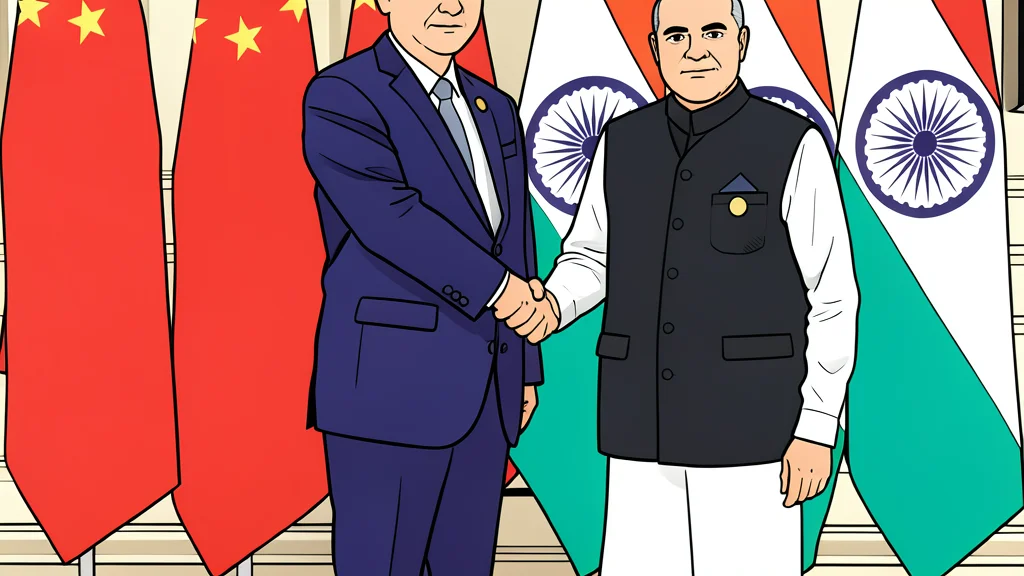
Indian Prime Minister Narendra Modi and Chinese President Xi Jinping have reaffirmed their commitment to strengthening bilateral trade relations, marking a significant step in normalizing ties after years of diplomatic strain. The two leaders met in New Delhi on September 12, coinciding with Xi’s first visit to India in seven years. This engagement occurred against the backdrop of a record-breaking trade volume that reached approximately $155.6 billion in 2025, according to data cited by Chinese customs authorities. Despite this substantial total, the economic relationship remains heavily asymmetrical, with India importing vastly more from China than it exports to its northern neighbor.
The disparity in trade flows has become a central point of discussion between the two governments, with New Delhi facing a deficit exceeding $100 billion. Indian purchases from China rose to roughly $132 billion in the 2025/26 fiscal year, while Indian exports remained significantly lower. This imbalance, along with concerns over supply chain resilience and market access, was explicitly addressed during the bilateral meeting. Both sides emphasized the necessity of creating a more predictable environment for business, aiming to mitigate the structural vulnerabilities that have characterized their economic interaction in recent years.
Addressing Structural Trade Imbalances
According to India’s foreign ministry, the leaders underscored the need to address mutual concerns regarding structural trade imbalances and supply chain issues. The official statement highlighted the importance of facilitating meaningful and predictable market access for businesses in both countries. This diplomatic push comes as companies continue to report bureaucratic obstacles, visa delays, and restrictions on the sale of industrial equipment, which have hindered the full realization of economic potential. By focusing on these friction points, both governments appear to be seeking a more balanced framework that allows for smoother commercial exchanges.
Xi Jinping stated that Beijing maintains a strategic and long-term perspective on its relationship with India, as reported by the state-run Xinhua news agency. He noted that institutional exchanges are gradually resuming and that opportunities for cooperation are expanding. The recognition that two-way trade has reached new highs suggests that economic pragmatism is increasingly overriding geopolitical caution. This shift indicates a willingness among policymakers to decouple economic growth from the broader strategic competition that has defined their interactions in the past decade.
Managing Geopolitical Tensions
While the economic dialogue has progressed, the shadow of the 2020 military confrontation in the Himalayas continues to loom over bilateral relations. That incident, which resulted in the deaths of 20 Indian and four Chinese soldiers, had severely damaged trust between the two nuclear-armed neighbors. Although military tensions have eased since the leaders agreed to end the standoff in late 2024, significant troop deployments remain in the border regions. Negotiations over the precise demarcation of the roughly 3,800-kilometer frontier continue to proceed slowly, leaving a degree of uncertainty that complicates broader diplomatic efforts.
Modi emphasized that peace in the border areas is an essential foundation for the continued development of bilateral relations. This statement reflects the delicate balance New Delhi seeks to maintain, pursuing economic benefits while safeguarding national security interests. The relationship is further complicated by the fact that the border remains largely unmarked, requiring continuous diplomatic engagement to prevent incidents. The current approach suggests a strategy of compartmentalization, where economic cooperation is allowed to advance even as military and border issues remain unresolved.
Looking Ahead to Cooperation
The two leaders also backed stronger business and transport connections, signaling a desire to deepen integration beyond traditional trade channels. They underscored the need to promote cultural exchanges and greater mobility between the two countries, areas that have seen limited progress in recent years. By expanding the scope of cooperation to include people-to-people ties, the governments aim to build a broader base of support for the relationship. This multifaceted approach is intended to create resilience against future geopolitical shocks and to foster a more comprehensive partnership.
As the two nations navigate this complex landscape, the coming months will be critical in determining whether these diplomatic gestures translate into tangible economic benefits. Analysts from the GN auto geopolitics/asia-pacific: India China border desk suggest that attention should be paid to the implementation of visa reforms and the resolution of specific supply chain bottlenecks. The success of these initiatives will likely serve as a barometer for the overall health of India-China relations, indicating whether the trend toward normalization can be sustained despite the underlying strategic competition.