India and China Seek to Stabilize Border and Trade Ties
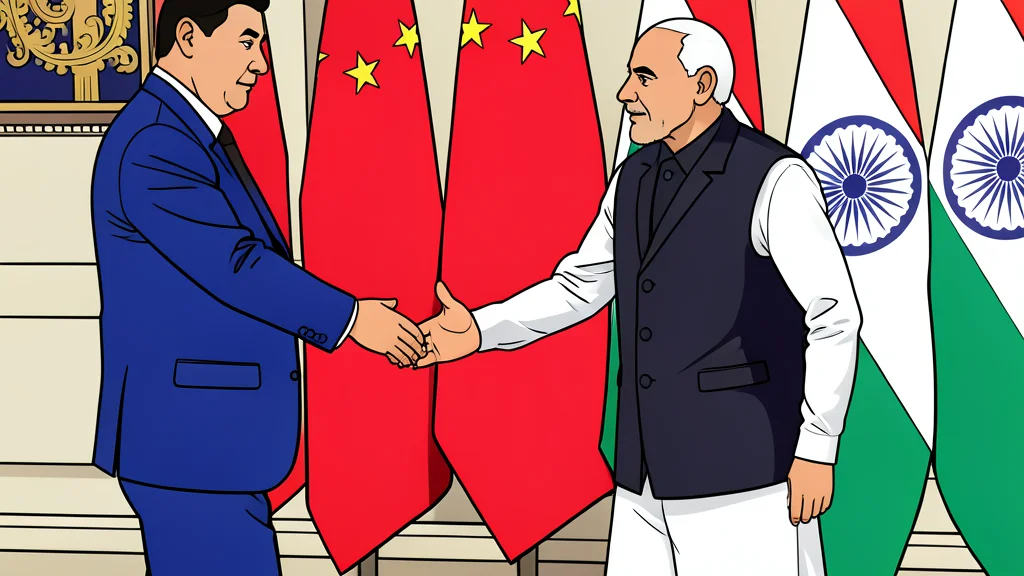
Prime Minister Narendra Modi and President Xi Jinping used the BRICS summit in New Delhi to reaffirm commitments to border peace and address significant trade imbalances.
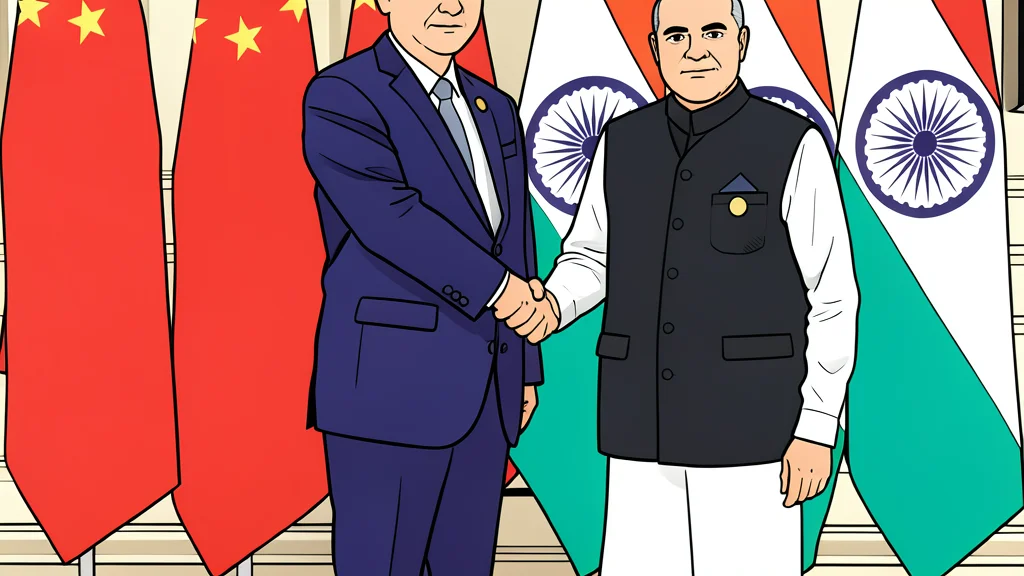
Prime Minister Narendra Modi and Chinese President Xi Jinping convened in New Delhi on the sidelines of the 18th BRICS Summit to advance a framework for stabilizing bilateral relations. The meeting marked Xi’s first visit to India in seven years and focused on managing long-standing border tensions while addressing structural economic disparities. According to the Ministry of External Affairs, both leaders committed to finding a fair and mutually acceptable resolution to boundary issues, emphasizing that differences should not escalate into active disputes.
The discussions come as New Delhi and Beijing seek to build upon the diplomatic progress made since their previous meeting in Tianjin in August 2025. By adhering to existing agreements on maintaining peace in border areas, the two nations aim to create a predictable environment for broader economic cooperation. The outcome reflects a shared desire to move beyond periodic crises and establish a more durable foundation for their complex relationship.
Trade imbalance remains central challenge
Economic relations formed a significant portion of the bilateral agenda, with both sides acknowledging the need to address structural trade imbalances. India-China trade reached $91.72 billion in the first half of 2026, yet the deficit widened to $67.1 billion, driven by Chinese exports of $79.41 billion against Indian exports of $12.31 billion. New Delhi has consistently sought greater market access for its pharmaceutical and IT sectors, aiming to make supply chains more predictable and balanced.
China accounts for approximately 41 percent of India’s imports from BRICS nations, contributing to a wider bloc deficit of $226.1 billion in fiscal year 2026. This figure is more than three times the level recorded in fiscal year 2021. Officials noted that facilitating meaningful market access is a priority for reducing these structural disparities and enhancing economic reciprocity.
Diplomatic framework for border management
Recent diplomatic engagements have laid the groundwork for the current talks, including an eight-point consensus on border management agreed upon by National Security Adviser Ajit Doval and Chinese Foreign Minister Wang Yi. These efforts link peace along the Line of Actual Control directly to the normalization of broader bilateral ties. The latest summit reinforced this approach by prioritizing political solutions over military confrontation.
According to reports from GN auto geopolitics/asia-pacific: India China border, the leaders also signaled a push for greater people-to-people exchanges and business linkages. By broadening engagement beyond security and trade, both sides aim to strengthen social and economic connections that can withstand future political fluctuations. This strategy reflects a long-term perspective on managing the relationship between the world’s two most populous nations.
Future outlook for bilateral cooperation
The summit concludes with a shared understanding that managing differences is critical to sustaining the current thaw. Both leaders highlighted the importance of viewing their relationship from a strategic and long-term perspective, particularly as key members of the Global South. The next steps will likely involve technical working groups focused on implementing the agreed-upon measures for trade facilitation and border management.