India Centers UN Peacekeeping Role in 2028-29 Security Council Bid
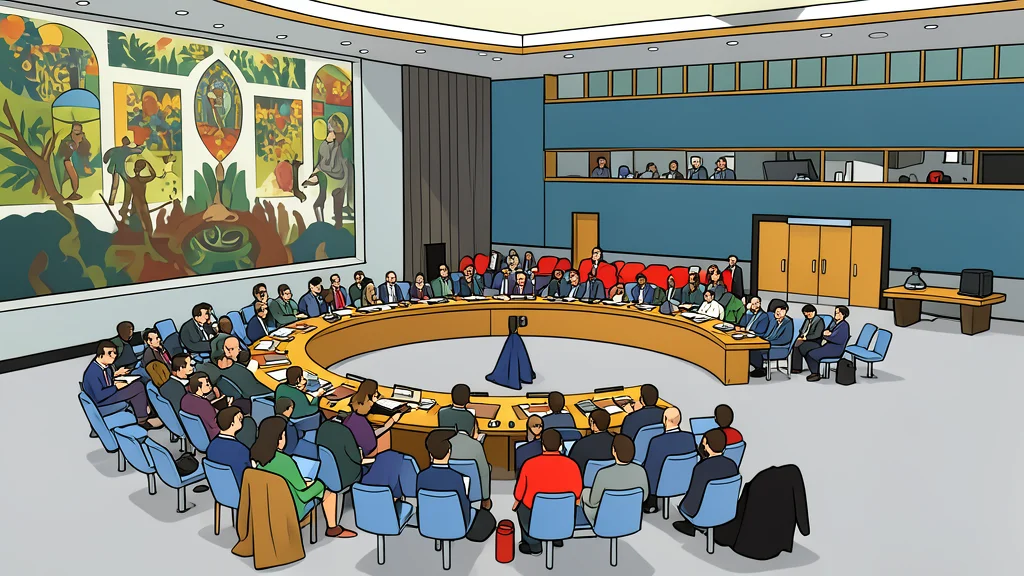
New Delhi has designated peacekeeping reform as a core pillar of its upcoming bid for a non-permanent Security Council seat.
Key points
- India has designated UN peacekeeping as a central priority for its 2028-2029 Security Council candidacy.
- The country has contributed nearly 300,000 troops to over 50 missions, with 184 peacekeepers killed in action.
- New Delhi proposes structured consultation for troop-contributing nations in shaping mission mandates to improve efficiency.
India has explicitly placed United Nations peacekeeping at the heart of its campaign for a non-permanent seat on the UN Security Council for the 2028-2029 term. According to India’s Permanent Representative to the UN, P. Harish, the country views this mechanism as irreplaceable to the Council's core purpose and intends to prioritize it in its diplomatic engagements moving forward.
The initiative was formally launched by External Affairs Minister S. Jaishankar in June, introducing a manifesto titled 'Shanti' as an acronym for Securing Holistic Advancement through Norms, Trust, and Integrity. Speaking during an open debate on September 18, Harish emphasized that India’s approach is grounded in practical experience rather than rhetoric, citing the nation's status as the largest troop contributor to the organization.
Historical contributions define diplomatic strategy
Harish highlighted India’s extensive track record, noting that the country has deployed nearly 300,000 troops across more than 50 missions. He referenced the significant human cost involved, stating that 184 Indian peacekeepers have made the supreme sacrifice while serving as Blue Helmets. This history serves as the foundation for India's argument that its candidacy is shaped by tangible commitment and operational reality.
The representative asserted that India is committed to ensuring the peacekeeping architecture is better resourced, protected, and more representative of the global community it serves. This stance positions New Delhi not merely as a candidate for a seat, but as a proponent for structural improvements to the existing security framework.
Proposals for mandate reform and consultation
To enhance effectiveness, Harish suggested that countries contributing troops and police should have a structured voice in shaping mandates through prior consultation. He argued that mandates must include a clear political process with which the Council remains actively engaged. Additionally, he called for rationalizing mandates to avoid waste, warning that missions sustained on political life-support without operational rationale drain essential resources.
These suggestions align with broader calls from the UN Secretary-General, Antonio Guterres, who has advocated for a longer-term vision of peacekeeping missions before deployment. Guterres emphasized the need for closer consultation with host countries, noting that peace must be built from within by national actors who hold the key to sustainable stability.
Elections and regional representation dynamics
India is competing for a non-permanent seat representing the Asia-Pacific region in elections scheduled for next year. The diplomatic push reported by IndiaWest underscores a strategic effort to leverage the country's significant contribution to international security to influence the direction of UN policy. As the candidacy progresses, the focus remains on translating this operational history into political capital for the upcoming term.