India Reports Reduced Chinese Troop Presence Along the LAC in 2025
New government data suggests a shift in border dynamics, with fewer Chinese formations deployed despite ongoing diplomatic efforts.
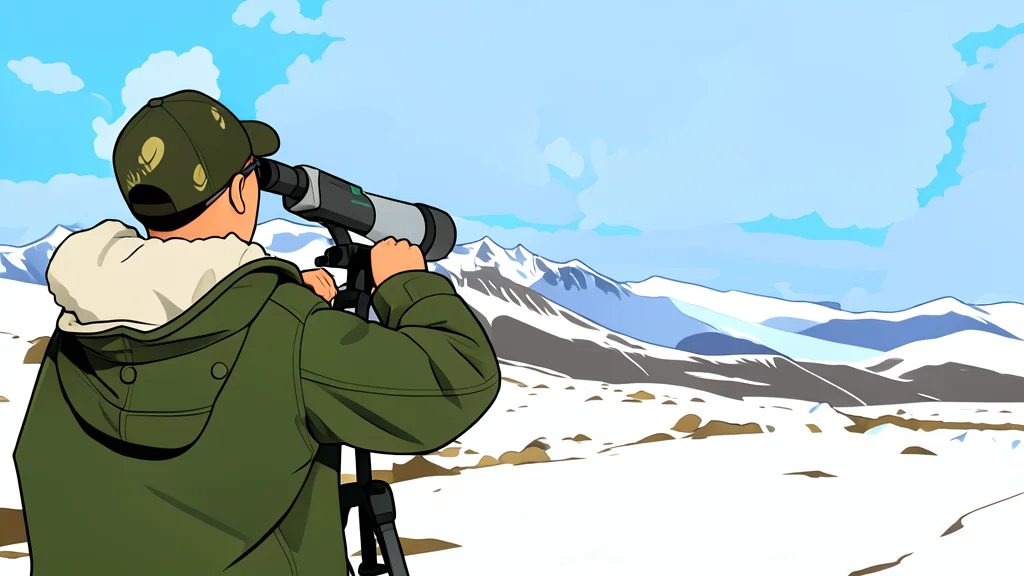
The Indian government’s annual defense report indicates a notable decrease in the deployment of Chinese military forces along the Line of Actual Control during 2025. According to the Ministry of Defence, while Beijing has scaled back its immediate frontline presence, it continues to maintain ten combined arms brigade-sized formations in the region and nearby training areas. This reduction marks a significant shift from the heightened tensions that have characterized the border since 2020.
Despite the withdrawal of some units, the report emphasizes that the Indian Army remains robustly deployed across all sectors to handle any emerging contingencies. The document frames this development as part of a broader trend of gradual stabilization, attributed to sustained political, diplomatic, and military interactions between New Delhi and Beijing. Officials described the current posture as well-poised, reflecting a cautious but improving environment along the northern borders.
Diplomatic mechanisms resume engagement
The improvement in bilateral relations has been driven by the resumption of key dialogue platforms that had been suspended during the peak of the standoff. The 33rd and 34th meetings of the Working Mechanism for Consultation and Coordination took place in March and July 2025, respectively. Additionally, the Special Representatives dialogue on the boundary question resumed with rounds held in late 2024 and mid-2025, signaling a renewed commitment to resolving long-standing territorial disputes through structured conversation.
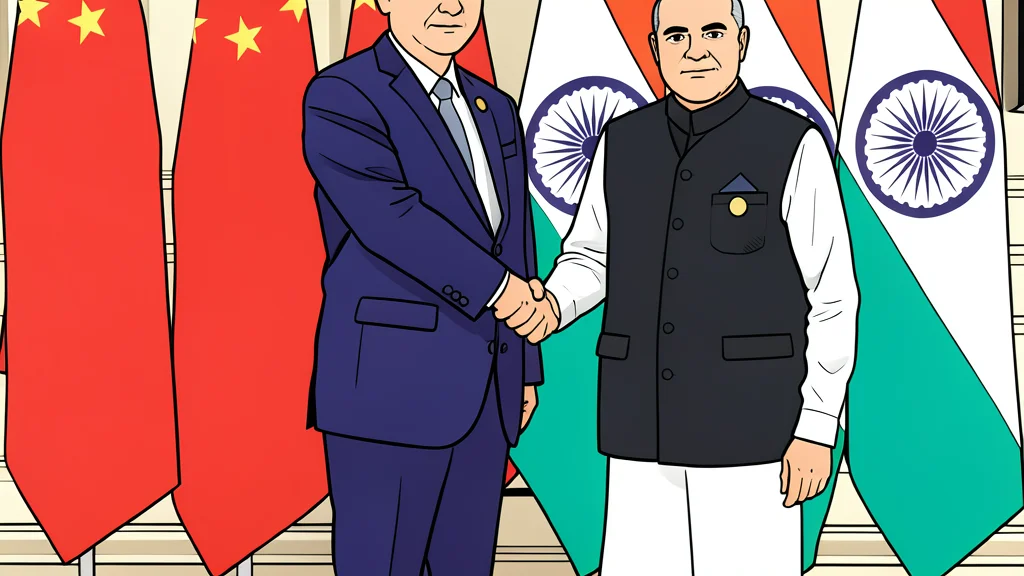
High-level political engagement further reinforced these efforts, highlighted by Prime Minister Narendra Modi’s visit to Tianjin for the Shanghai Cooperation Organisation summit in August 2025. The defense ministry noted that such interactions have contributed to a more stable atmosphere, allowing for constructive discourse between the two sides. This diplomatic momentum appears to have created the necessary conditions for the recent adjustments in troop deployments.
Military dialogue expands to eastern sector
Beyond high-level summits, military-to-military contacts have also intensified and broadened in scope. The 23rd Corps Commander-level meeting was held in eastern Ladakh in late October 2025, described by officials as part of a constructive dialogue process. More significantly, the first Corps Commander-level meeting in the Eastern Sector occurred in September 2025, marking an expansion of the military dialogue mechanism beyond the Ladakh region where most previous friction had been concentrated.
This eastern sector meeting took place at the Vacha-Damai border personnel meeting point in Arunachal Pradesh, a region that has seen intermittent tensions. The decision to hold such high-level talks in this area suggests a willingness to address concerns across the entire length of the border. Ground-level border personnel meetings continued throughout the year, with both sides reporting that these interactions were conducted in a cordial and friendly environment to address specific issues of concern.
Forward trajectory for border stability
As the two nations look toward the future, the focus remains on consolidating these gains and preventing a return to the high-tension status quo. The reduction in Chinese troop deployments is viewed as a positive indicator, but the maintenance of significant brigade-sized forces indicates that the underlying strategic posturing has not been fully de-escalated. The coming months will likely test the durability of these diplomatic and military arrangements as both sides navigate complex territorial claims.
Observers will watch closely for further developments in the Special Representatives dialogue and any subsequent changes in force levels along the LAC. The success of these engagement mechanisms will be crucial in determining whether the current period of stabilization evolves into a lasting peace or remains a temporary lull in a prolonged dispute. The balance between diplomatic dialogue and military readiness will continue to define the India-China border relationship in the near term.