Minority Rights in Pakistan Take Center Stage at UN Human Rights Council

A human rights activist has brought urgent concerns regarding the safety and legal status of Shia and Ahmadi communities in Pakistan to the attention of the United Nations Human Rights Council in Geneva.
During the 63rd session of the United Nations Human Rights Council, a prominent advocate raised significant alarms concerning the treatment of religious minorities in Pakistan. The intervention highlighted specific incidents of violence and legal restrictions that have affected Shia and Ahmadi populations, placing the issue squarely within the framework of international human rights obligations.
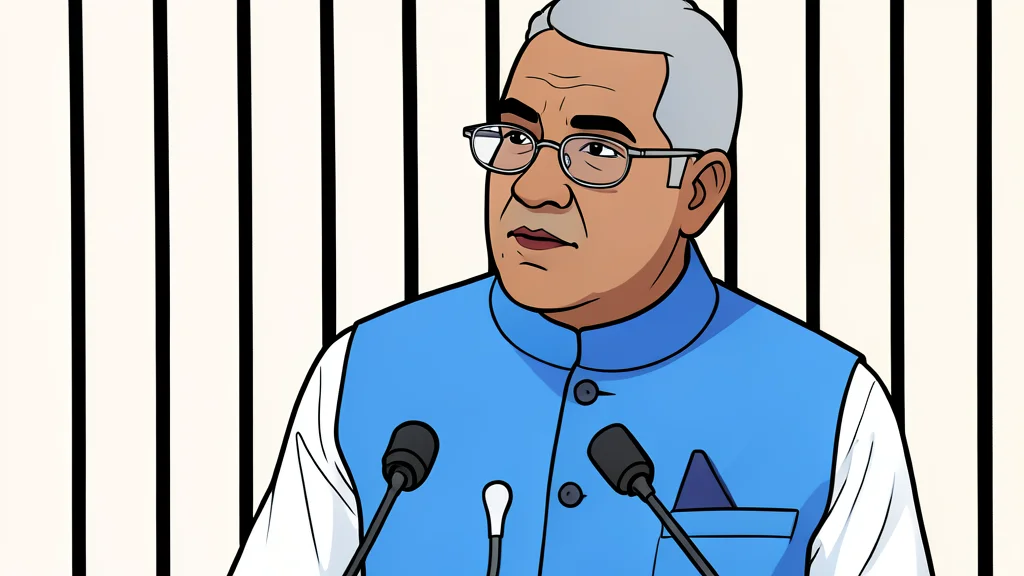
Khalilur Rahman addressed the council members by referencing core principles of the Universal Declaration of Human Rights. He argued that the current situation in Pakistan challenges the country's commitment to equality before the law, non-discrimination, and freedom of thought, conscience, and religion. According to reports from GN geopolitics/rights (en-US), these concerns are not isolated but part of a broader pattern of tension regarding minority protections.
Legal frameworks under scrutiny
The activist cited multiple articles of the Universal Declaration of Human Rights to underline the legal weight of his concerns. Specifically, he pointed to provisions ensuring equal protection and freedom of religious practice. Additionally, he referenced the UN Declaration on the Rights of Persons Belonging to National or Ethnic, Religious and Linguistic Minorities, suggesting that existing safeguards may be insufficient in practice for these specific communities.
Reports of violence and closure
Specific incidents were brought to the council's attention to illustrate the severity of the situation. Reports of violent attacks during Eid celebrations in Karachi were mentioned as evidence of ongoing insecurity for religious groups. Furthermore, the sealing or forced closure of Ahmadi places of worship in major cities, including Karachi and Lahore, was highlighted as a direct infringement on the right to practice one's faith.
These allegations suggest a gap between statutory protections and the lived reality of minority citizens. The narrative presented to the council emphasizes that intimidation and arbitrary detention remain persistent threats, undermining the sense of safety and belonging for these communities within the broader society.
Calls for international oversight
In response to these concerns, the activist urged the Human Rights Council and its associated mechanisms to take active steps. The request was for the international body to ensure that all religious communities receive equal protection under the law and are shielded from violence and state overreach. This call for intervention underscores the desire for external monitoring and accountability in the face of domestic challenges.
As the session continues, the focus remains on whether the council will initiate further dialogue or investigative mechanisms. The outcome of this debate will likely influence future diplomatic engagements and human rights assessments regarding Pakistan. Observers will be watching closely for any follow-up actions or reports that address the specific grievances raised by the activist.