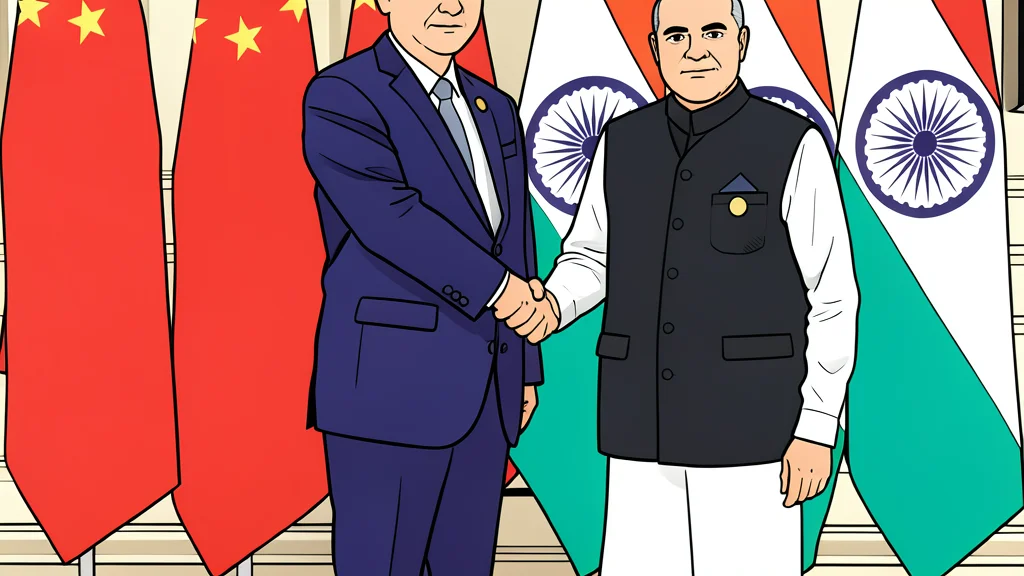
Modi and Xi Address Border Stability and Trade Imbalances in Bilateral Talks

Leaders of India and China have engaged in high-level discussions focusing on border tranquility and economic disparities, setting the stage for the next phase of bilateral engagement.
Prime Minister Narendra Modi and President Xi Jinping have concluded a series of discussions aimed at stabilizing the India-China relationship. According to reports from the GN auto geopolitics/asia-pacific: India China border desk, the dialogue centered on maintaining peace along the border and addressing the persistent trade deficit that has characterized bilateral commerce for years. The conversations reflect a mutual desire to manage tensions while seeking avenues for economic cooperation, despite the complex historical and strategic backdrop.
These high-level engagements occur against a backdrop of renewed diplomatic activity, including the resumption of visa services and direct flights. Such measures are intended to facilitate people-to-people contacts and restore a degree of normalcy to cross-border interactions. However, analysts suggest that these symbolic steps must be accompanied by substantive policy shifts to ensure the relationship moves beyond temporary truces toward long-term stability.
Domestic Consensus Shapes Diplomatic Strategy
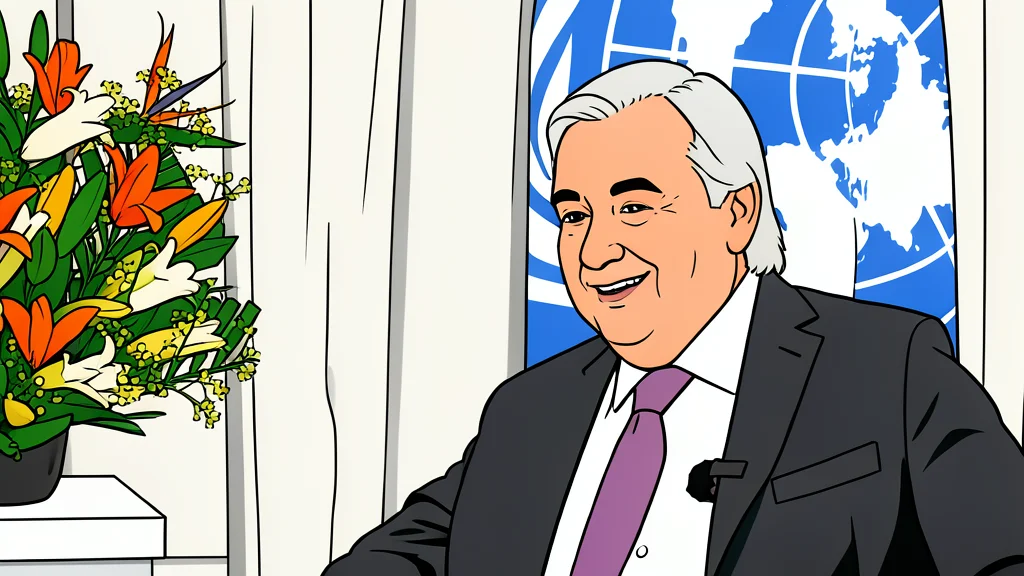
Former External Affairs Minister Salman Khurshid has argued that effective diplomacy requires a unified domestic front. In a recent interview, he emphasized that without the confidence of the opposition, the government’s ability to engage meaningfully with Beijing is limited. Khurshid noted that diplomatic generalities are insufficient when domestic political divisions remain unresolved, suggesting that internal consensus is a prerequisite for robust external engagement.
This perspective highlights the interplay between internal politics and foreign policy. According to Khurshid, the current trajectory of relations has deteriorated over time, necessitating candid communication rather than superficial dialogue. He urged the government to prioritize actionable measures that build mutual trust, arguing that sustainable ties depend on sharing information and addressing core grievances directly.
Trade Imbalance Demands Internal Action
The significant trade deficit between India and China remains a central point of contention. While New Delhi has long called on Beijing to rebalance trade flows, Khurshid has cautioned that the solution does not rest entirely with China. He emphasized that India must take internal steps to address the imbalance, suggesting that structural adjustments in domestic industries and trade policies are necessary to reduce dependency and enhance competitiveness.
This view aligns with broader economic discussions within India, where policymakers are increasingly focused on reducing import reliance on Chinese goods. The emphasis on internal measures reflects a recognition that unilateral demands on Beijing may yield limited results without corresponding domestic reforms. As the trade gap persists, the pressure on New Delhi to implement structural changes is likely to intensify.
Forward Path for Bilateral Engagement
Looking ahead, the focus will shift to monitoring the implementation of agreed-upon measures. The resumption of flights and visas provides a foundation for increased interaction, but the durability of these gains will depend on consistent follow-through. Observers will watch for signs of deeper engagement in trade negotiations and border management protocols, which could serve as indicators of the relationship’s trajectory.
The coming months will be critical in determining whether these dialogues translate into tangible improvements. As both nations navigate the complexities of their relationship, the emphasis on mutual trust and actionable steps will be key to sustaining progress. The outcome of these efforts will have significant implications for regional stability and economic cooperation in the Asia-Pacific region.