Shifts in Security Leadership Signal Broader Kremlin Reforms
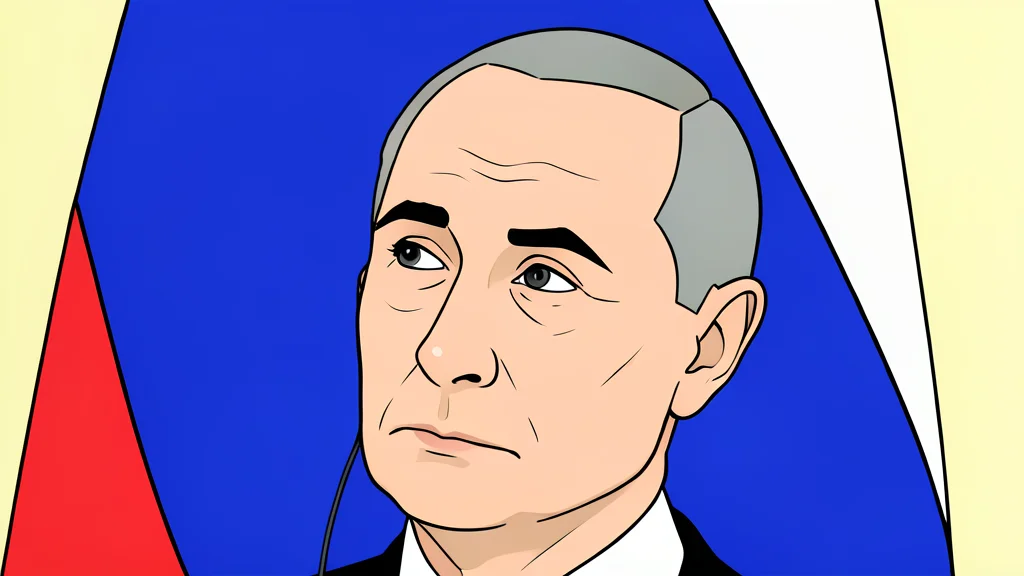
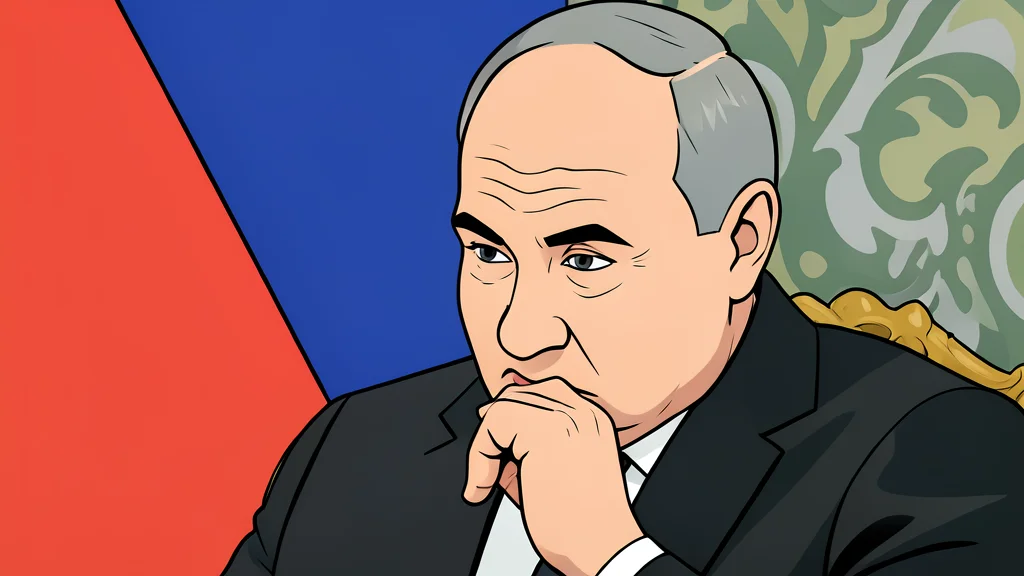
Recent personnel changes within the Russian security apparatus suggest a deeper restructuring of power dynamics around the president, moving beyond isolated dismissals.
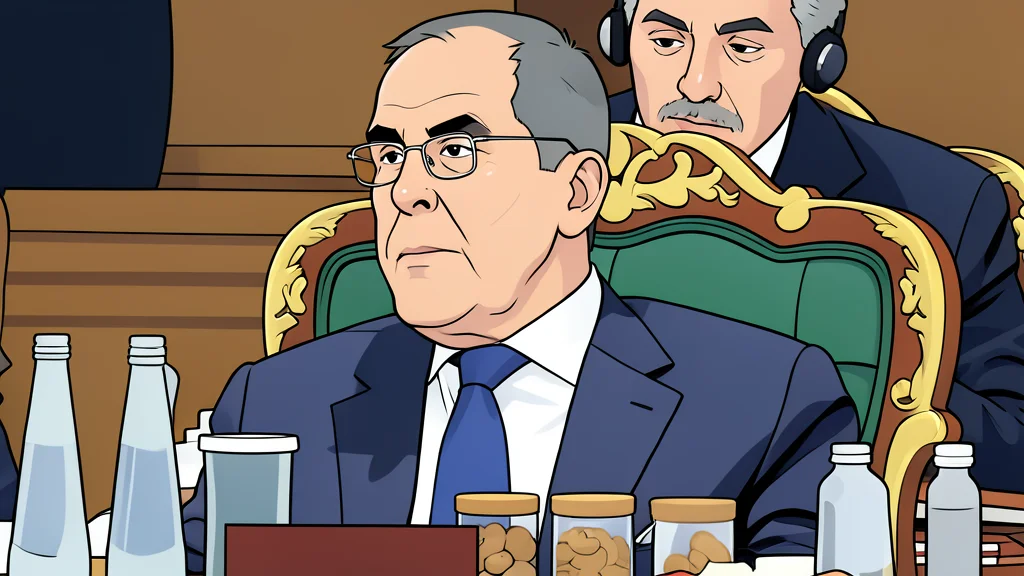
The recent removal of a senior official from the Federal Security Service has ignited speculation about broader instability within the Kremlin's inner circle. Sergei Alpatov, who headed the FSB’s Economic Security Service, has left his position, a move that independent observers interpret as more than a routine personnel change. According to reports from GN geopolitics/coup, this departure is part of a larger struggle for influence among factions of the security services that have accumulated significant power during the ongoing conflict in Ukraine.
While official channels cited health reasons for Alpatov's exit, other accounts suggest he was forced out for pursuing investigations into figures close to the Rotenberg family, a powerful political and business clan with deep ties to President Vladimir Putin. This incident appears to be the first in a series of changes, with sources indicating that the longtime head of the FSB, Alexander Bortnikov, may soon step down. Such a transition would mark a significant shift in the leadership structure of Russia's primary intelligence and security agency.
Clashing Factions Over Economic Oversight
The core of the controversy involves the arrest and subsequent release of several businessmen linked to the Rotenberg network. In July, Konstantin Makhov was detained on embezzlement charges, a move seen by analysts as a warning to the family. Shortly after, Ilya Traber, another associate, was charged with murder in connection with a 2020 shooting. However, both men were recently released or had charges dropped, a reversal reportedly ordered by Putin himself.
According to unnamed sources within the president's orbit, these reversals were driven by concerns that Alpatov’s actions were not merely legal pursuits but attempts to undermine the influence of Putin's close allies. Some observers describe this as a "palace coup," where competing security factions have maneuvered to protect their own interests. The speed of Alpatov's removal, described as happening overnight, suggests that the decision was made at the highest levels of the state, bypassing normal bureaucratic channels.
Anticipated Leadership Transition at FSB
The ouster of Alpatov is viewed by some as a precursor to a more substantial shake-up of the FSB leadership. Alexander Bortnikov, who has served as the head of the agency since 2008, is currently 74 years old. Reports indicate that he has long expressed a desire to retire and has spent much of his recent time at health resorts. His potential departure would open a critical vacancy in one of the most powerful positions in the Russian state.
Sources cited by investigative media suggest that a comprehensive list of resignations and appointments is expected to be finalized by October. This timing aligns with broader expectations for changes within the security services. The uncertainty surrounding who will succeed Bortnikov adds to the sense of flux within the Kremlin, as various factions position themselves for the upcoming reorganization.
Implications for Kremlin Power Dynamics
These developments highlight the complex web of personal loyalties and institutional rivalries that define the Russian political system. The security services, granted expanded powers during the war in Ukraine, have become key arbiters of economic and political influence. The current turmoil suggests that even within this closed system, competition for favor and control remains intense.
As the Kremlin navigates these internal shifts, the focus will likely turn to how the new leadership structure will handle economic oversight and the management of elite business networks. The coming months may reveal whether these changes represent a temporary realignment or a fundamental restructuring of the mechanisms that sustain Putin's grip on power. Observers will watch closely for further personnel moves and any signs of broader policy adjustments stemming from this internal contest.