Modi Highlights per Capita Emission Gaps in Global Climate Discourse

Prime Minister Narendra Modi has intensified India's argument for equity in climate policy, emphasizing that developed nations maintain significantly higher per capita carbon footprints than the country.
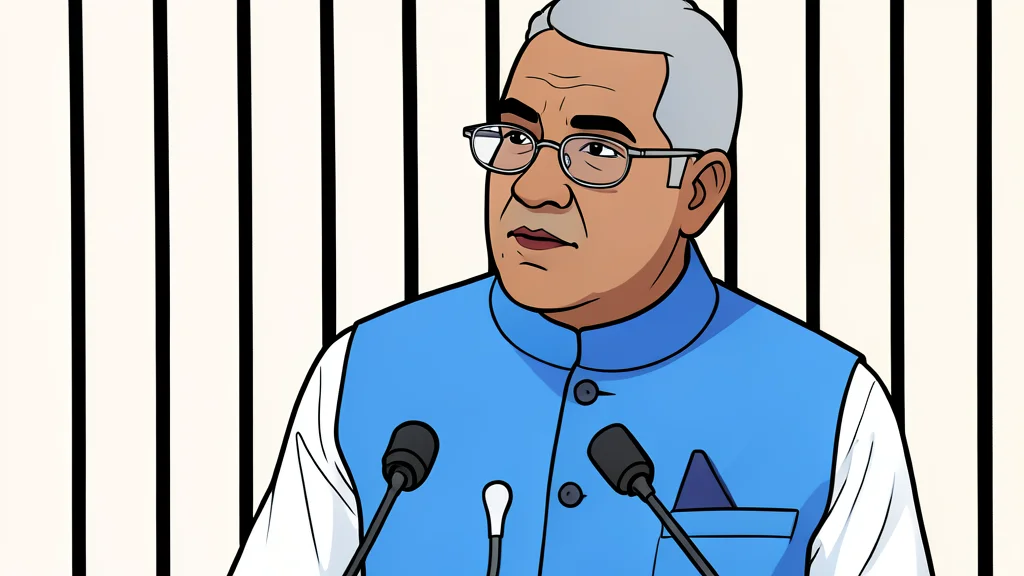
Prime Minister Narendra Modi has sought to reframe the global debate on climate responsibility by highlighting a stark disparity in per capita emissions between developed and developing nations. Speaking at a two-day international conference on the environment and climate, the Indian leader asserted that historical and current data show developed countries have six times the per capita carbon emissions of India. According to Modi, the global community often places an unfair burden of responsibility on developing economies, a narrative he stated New Delhi actively challenges on international platforms.
The remarks were delivered before an audience of environmental experts, Supreme Court judges, and senior government officials. Modi emphasized that India’s contribution to global carbon emissions remains less than half of the world average, a fact he urged every Indian to cite forcefully. This positioning serves to bolster India’s diplomatic stance, arguing that while the nation is expanding its green infrastructure, the legacy of industrialized economies warrants a different standard of accountability in global climate negotiations.
India Claims Early Fulfillment of Paris Goals
In a bid to demonstrate tangible progress, the Prime Minister stated that India is the only G20 nation to have fulfilled its Paris Agreement commitments ahead of schedule. He pointed to the country’s rapid expansion in non-fossil fuel capacity and solar energy as evidence of a broader shift. Modi described this trajectory as a hallmark of the nation’s current development model, suggesting that India is setting new benchmarks for environmental protection while simultaneously pursuing economic growth.
The leadership also highlighted the role of renewable energy in this strategy, noting that the country is focusing heavily on diversifying its power mix. By framing these achievements as part of a larger national identity, the government aims to present India not merely as a participant in global climate efforts, but as a leader in sustainable development metrics that are increasingly scrutinized by international observers.
Nuclear Energy Faces Legal and Public Challenges
Despite the emphasis on solar and renewables, Modi also addressed the contentious role of nuclear energy in the country’s power strategy. He noted that when the government advances work on nuclear generation, it frequently faces legal challenges from environmental groups who argue against the technology. According to the Prime Minister, these legal interventions often stem from a disconnect between environmental advocacy and the pragmatic needs of energy security, creating a recurring tension in policy implementation.
This friction underscores the complex internal dynamics within India’s climate policy, where various stakeholders hold differing views on the optimal mix of energy sources. While the government promotes a broad spectrum of low-carbon technologies, the specific push for nuclear power has become a focal point for legal and public debate, reflecting the broader challenges of balancing ecological concerns with industrial requirements.
Global Platforms Become Arena for Equity
The emphasis on per capita figures suggests a strategic shift in how India engages with multilateral forums. By consistently presenting data on the disparity in emission intensities, the government aims to secure more favorable terms in future climate finance and technology transfer agreements. As reported by GN geopolitics/climate, this approach positions India as a key advocate for the Global South, seeking to ensure that the costs of the energy transition are shared more equitably among nations.
Looking ahead, the focus will likely remain on how these diplomatic arguments translate into concrete policy outcomes at upcoming summits. The next critical juncture will be assessing whether other developing nations adopt similar data-driven approaches to challenge the status quo. Observers will watch for shifts in the tone of international negotiations, particularly regarding the liability of historical emitters and the allocation of resources for green infrastructure in the Global South.