Myanmar Junta Challenges UN Ambassador Amid Credentials Stalemate
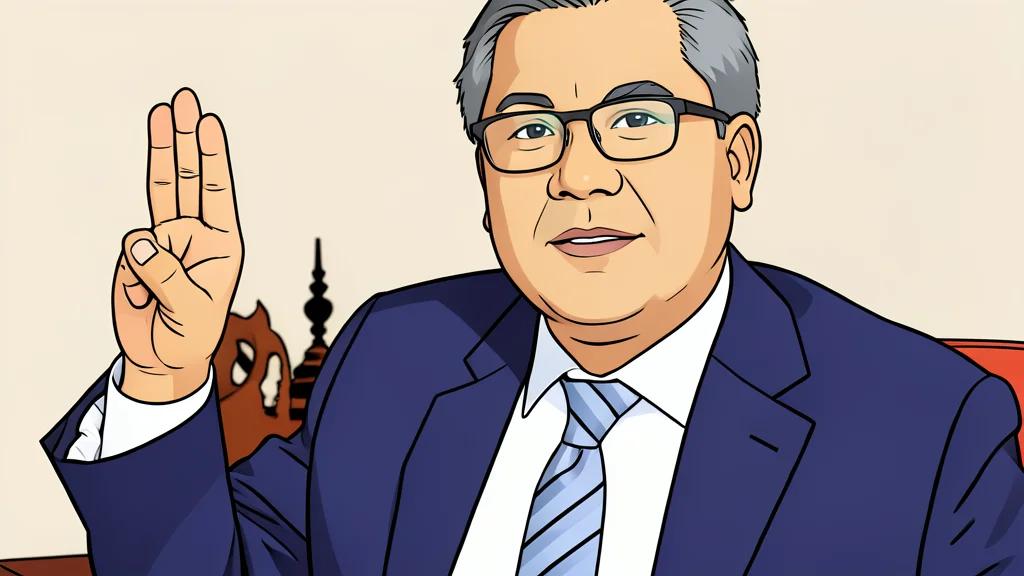
Naypyitaw has declared its UN ambassador a criminal, yet the Credentials Committee has maintained his seat, revealing a deepening diplomatic impasse.
Myanmar’s military junta has escalated its confrontation with the United Nations by formally revoking the status of Ambassador Kyaw Moe Tun and labeling him a proclaimed offender. According to a statement issued by the Ministry of Foreign Affairs in Naypyitaw, the move includes charges of high treason and requests for international cooperation to pursue legal action. The declaration, however, has not altered the practical reality at the UN, where the ambassador continues to represent the country despite the regime’s objections.
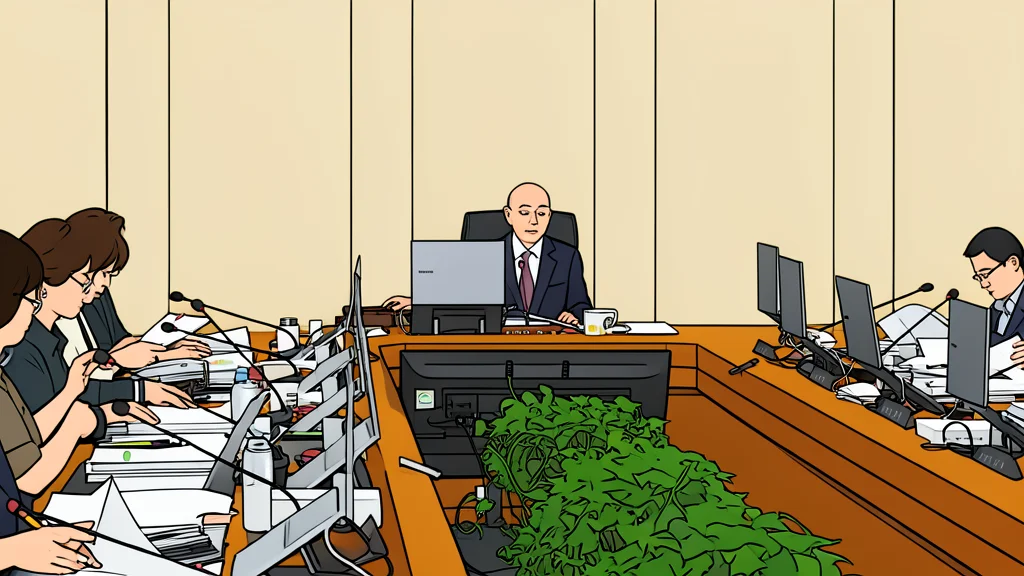
The diplomatic standoff persists because the UN Credentials Committee has repeatedly deferred a final decision on Myanmar’s representation, a process that has become an annual ritual. This procedural limbo allows the ambassador to remain in his seat, frustrating the junta’s goal of emptying the chair. The situation highlights a significant gap between the regime’s internal legal assertions and the international institutional frameworks that govern diplomatic recognition in New York.
Diplomatic Stalemate Persists at UN
According to reporting by Asia Times, the junta’s recent broadside appears to be a reaction to its inability to secure a definitive ruling from the UN General Assembly. The Credentials Committee’s continued deferral means that the ambassador’s presence is technically suspended in a state of uncertainty, but not removed. This legal ambiguity has become a central point of contention, with Naypyitaw arguing that the international community is failing to respect the sovereignty of the elected government, while the ambassador and his supporters maintain that the committee’s actions reflect a broader rejection of the military’s legitimacy.
The impasse is further complicated by the regime’s attempts to leverage international law enforcement channels, such as Interpol, to pressure the ambassador. However, these efforts have largely failed to impact his operational capacity within the UN headquarters. The diplomatic community remains divided, with some nations supporting the junta’s narrative and others adhering to the principle of not recognizing military regimes, resulting in a fragmented international response that sustains the current stalemate.
Regime Narratives Clash with Reality
Analysts suggest that the junta’s aggressive rhetoric serves a dual purpose: to intimidate domestic opponents and to signal to the international community that Myanmar’s diplomatic representation is under dispute. By branding the ambassador as a criminal, the regime aims to delegitimize his voice in global forums, particularly regarding human rights abuses and internal conflict. Yet, this strategy has backfired in several instances, as the ambassador’s continued presence has kept Myanmar’s crisis prominently on the UN agenda, contrary to the junta’s desire for isolation or silence.
The discrepancy between the junta’s claims and the UN’s procedural realities underscores the limitations of internal legal actions in the face of international institutional norms. While Naypyitaw can issue arrest warrants and diplomatic protests, it lacks the leverage to unilaterally remove a representative who has been granted provisional status by the General Assembly. This mismatch highlights the complex interplay between national sovereignty and international diplomatic protocol, where the latter often takes precedence in multilateral settings.
Historical Precedents Offer Limited Guidance
In rare historical instances, the UN has allowed seats to remain vacant when a government’s legitimacy is disputed, but these cases are difficult to apply directly to Myanmar’s situation. For example, during the apartheid era, South Africa’s delegation was excluded for two decades, but that was a collective decision by the General Assembly rather than a procedural deferral. The current Myanmar scenario is more nuanced, with the Credentials Committee choosing to postpone a definitive ruling, thereby keeping the diplomatic channel open but contested.
Looking ahead, the key question is whether the junta will continue to escalate its rhetoric or seek alternative diplomatic channels to influence UN proceedings. The ambassador’s ability to maintain his position will likely depend on the continued support of member states and the willingness of the Credentials Committee to uphold its procedural stance. As the diplomatic struggle continues, the empty chair scenario remains a theoretical possibility rather than a practical outcome, leaving Myanmar’s representation in a state of prolonged uncertainty.