Uttarakhand Leader Credits Modi for Boosting India's Global Standing
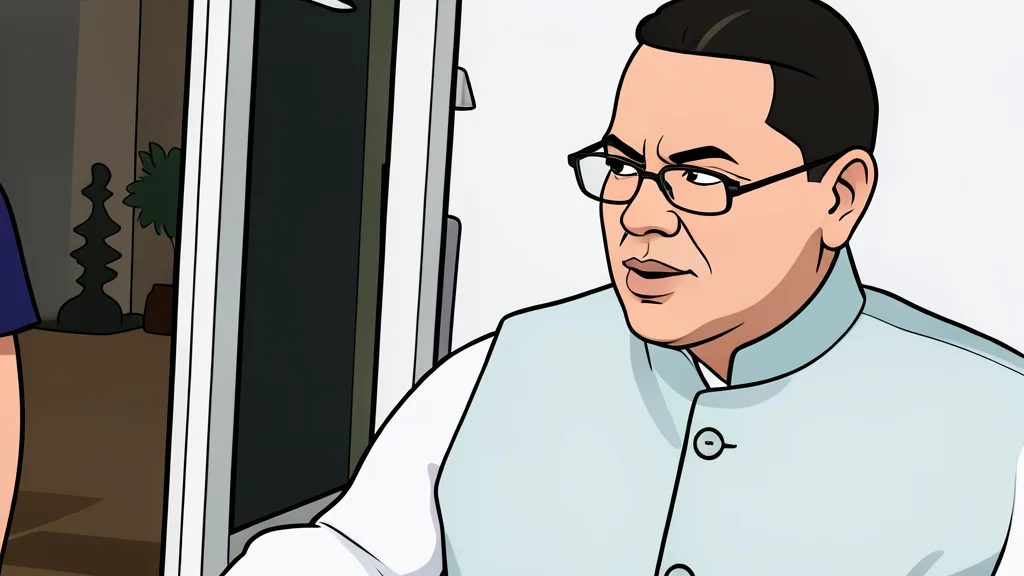
Following the recent BRICS Summit, state leadership in Uttarakhand has emphasized a shift in international perception, attributing India's enhanced diplomatic weight to the current central government's strategic initiatives.
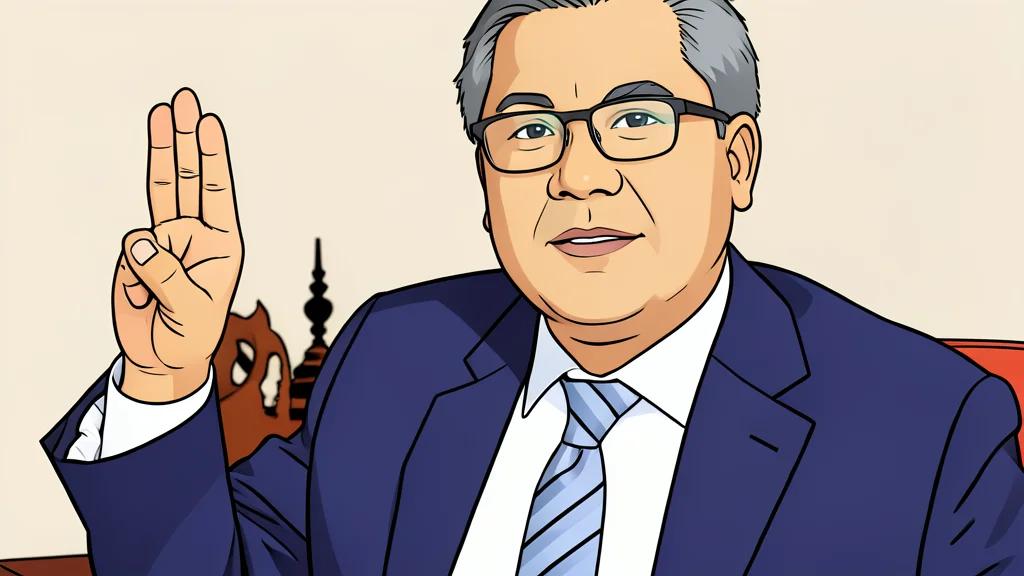
In Dehradun, Uttarakhand Chief Minister Pushkar Singh Dhami has articulated a narrative of rising global influence for India, linking this trajectory directly to the leadership of Prime Minister Narendra Modi. Speaking after the conclusion of the 18th BRICS Summit, Dhami suggested that the world is now looking to New Delhi as a primary reference point for major geopolitical events, a shift he attributes to the country's recent diplomatic engagements.
The commentary, reported by GN auto geopolitics/global: international summit, highlights a distinct domestic political perspective on India’s foreign policy outcomes. Dhami characterized the current era as one of self-reliance and power, asserting that India’s hosting of major international summits has demonstrably increased its stature on the global stage. This assessment places the recent diplomatic successes within a broader narrative of national transformation under the current administration.
Diplomatic Outcomes of the BRICS Meeting
The 18th BRICS Summit took place in New Delhi on September 12 and 13, marking a significant milestone under India’s 2026 Chairmanship. According to official statements, the leaders of the BRICS nations unanimously adopted the New Delhi Declaration, signaling a consensus among the member states. Dhami pointed to this unanimous adoption as evidence of India’s ability to lead and facilitate dialogue among major global powers.
The Chief Minister emphasized that the significance of the summit extends beyond the BRICS group itself. He argued that the international community is witnessing a pivotal role played by India in shaping global discourse. This perspective suggests that the summit served not only as a platform for regional cooperation but also as a showcase for India’s diplomatic capacity and organizational strength on the world stage.
Domestic Political Context and Allegations
Amidst the discussion of global affairs, Dhami also addressed a contentious domestic issue involving the opposition party. He criticized Rahul Gandhi for what Dhami described as a lack of substantive policy issues, referring to recent allegations regarding a purification ritual. The controversy stems from an event at Ramlila Maidan in Haldwani, where the Congress party alleged that a specific ritual was performed following a speech by party president Mallikarjun Kharge.
Dhami accused the opposition leader of attempting to create controversy by linking the incident to caste dynamics, a move he characterized as a distraction from more pressing national issues. He asserted that the allegations had been exposed and that the opposition was resorting to rhetoric rather than constructive political engagement. This exchange underscores the ongoing tension between the ruling coalition and the opposition, with domestic political debates often intersecting with discussions of national prestige.
Forward Looking Diplomatic Priorities
As India consolidates its position following the BRICS Summit, the focus now shifts to how these diplomatic gains translate into tangible economic and security benefits. Observers will be watching for further multilateral engagements where India seeks to reinforce its role as a bridge between the Global South and other major powers. The narrative of a 'new, powerful, and self-reliant India' will likely remain a central theme in both domestic political discourse and international diplomatic interactions in the coming months.