Nepal’s Constitutional Review Amidst Ongoing Democratic Challenges

As Nepal moves to amend its 2015 charter, the nation confronts a complex mix of progressive legal frameworks and persistent social inequalities.
Nepal is currently navigating a critical phase in its political evolution as the government initiates a process to amend the constitution adopted in 2015. This document established the nation as a federal democratic republic, marking the end of an absolute monarchy that had defined the state for centuries. The upcoming revisions are not merely technical adjustments but represent a profound test of the country's commitment to deepening its democratic roots. According to the GN auto geopolitics/asia-pacific: Nepal elections desk, this period of reflection coincides with Constitution Day, prompting a national dialogue on the strengths and weaknesses of the current legal framework.
While the constitution has introduced significant structural changes, including provisions for equal rights and federalism, the practical implementation of these ideals remains a subject of intense debate. Critics argue that despite the formal establishment of a secular state, deep-seated patriarchal and feudal mindsets continue to influence public life and political discourse. The challenge now is to ensure that any amendments serve to strengthen the protection of civil liberties and press freedom, rather than diluting the safeguards already in place. This requires a careful balance between acknowledging historical progress and addressing the ongoing gaps in justice and representation.
Historical Roots of Democratic Struggle
The path to the current constitutional order was paved by eight decades of revolutionary struggle between the royal establishment and the populace. This long period of transition saw the fall of dynasties, multiple rewrites of the constitution, and a gradual shift toward inclusivity. Although the country officially became a federal republic in 2008, the social fabric remains a complex synthesis of Buddhist and Brahminic Hindu traditions. This unique cultural landscape has allowed for remarkable progress in gender parity, such as the inclusion of non-binary options in official documents, yet it also hides persistent inequalities in the treatment of marginalized communities.
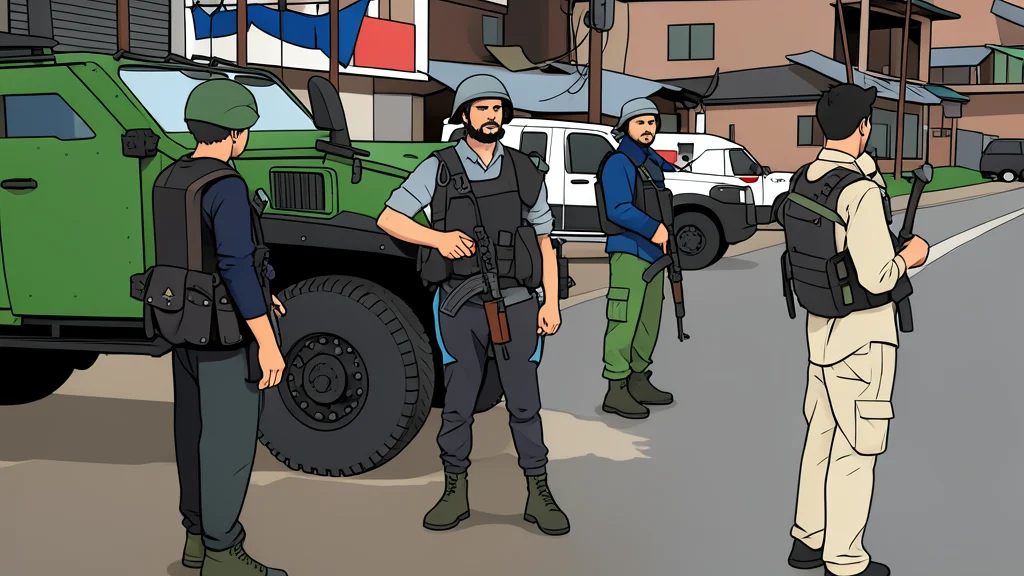
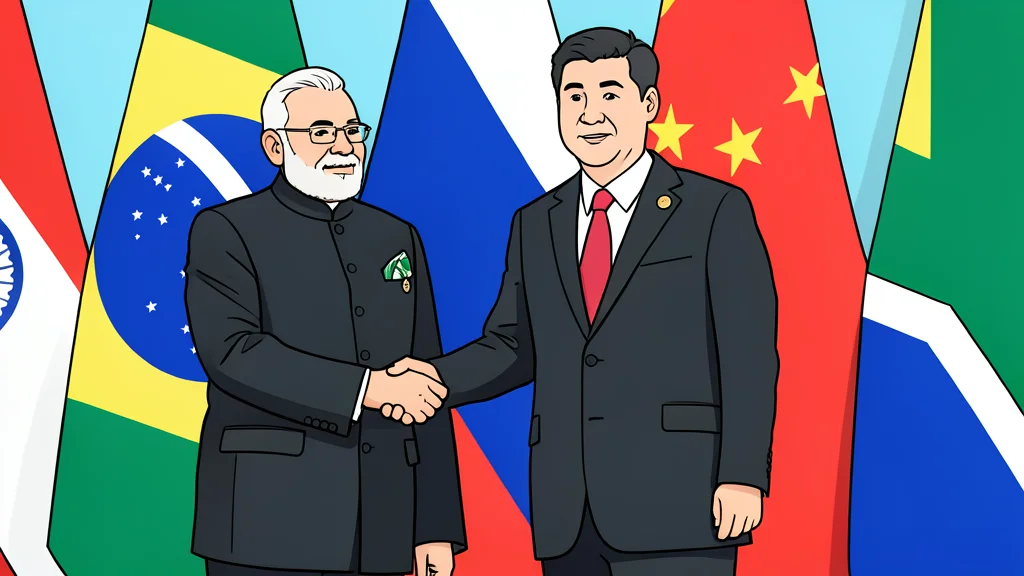
The journey has been further complicated by external and internal pressures, including climate change, natural disasters, and economic instability due to the country's landlocked geography. Situated between two global powers, Nepal’s geopolitical position adds a layer of complexity to its domestic political decisions. The recent social upheavals, described by some observers as a generational shift, have shaken the political landscape and raised hopes for a more stable and peaceful future. However, ensuring that these aspirations translate into lasting institutional change remains a formidable task.
Electoral Mechanisms and Representation
Nepal’s electoral system is designed to ensure broad participation and representation through a combination of proportional representation and first-past-the-post voting. A notable feature of this system is the mandate that a significant portion of local ward members must be women, with specific quotas for Dalit women. With thousands of wards across the country, this requirement translates into tens of thousands of women holding local political office. Political parties are also required to maintain gender balance in their higher-level nominations, reflecting a legal commitment to dismantling traditional barriers to political entry for women and other marginalized groups.
Despite these structural safeguards, the effectiveness of these mechanisms is often questioned by civil society groups. They argue that formal representation does not always equate to substantive influence, particularly when decision-making processes remain dominated by traditional hierarchies. The upcoming constitutional amendments offer an opportunity to refine these electoral provisions, ensuring they are more robust against challenges and better aligned with the needs of a diverse population. The goal is to create a system that not only counts representatives but empowers them to enact meaningful change.
Future of National Unity
As Nepal looks ahead, the focus must shift from merely amending the constitution to strengthening the institutions that uphold it. The harmony between different religious and ethnic communities, while resilient, is not immune to disruption. Recent incidents of social tension have highlighted the need for proactive measures to prevent such disturbances from recurring. The government and civil society must work together to foster a culture of tolerance and mutual respect, recognizing that democratic stability is built on the trust of its citizens.
The coming months will be crucial as debates on constitutional amendments intensify. Stakeholders will be watching closely to see if the process remains inclusive and transparent, or if it becomes a tool for political advantage. The ultimate test will be whether Nepal can translate its constitutional promises into a lived reality for all its citizens, regardless of gender, caste, or religion. This unfinished democratic journey requires not just legal changes, but a fundamental shift in how power is exercised and shared across the nation.