Pakistan Ends 20-Hour Siege at Kohat Police Compound
Pakistani security forces concluded a two-day operation in Khyber Pakhtunkhwa following a coordinated attack that killed 21 people and sparked accusations against the Afghan government.
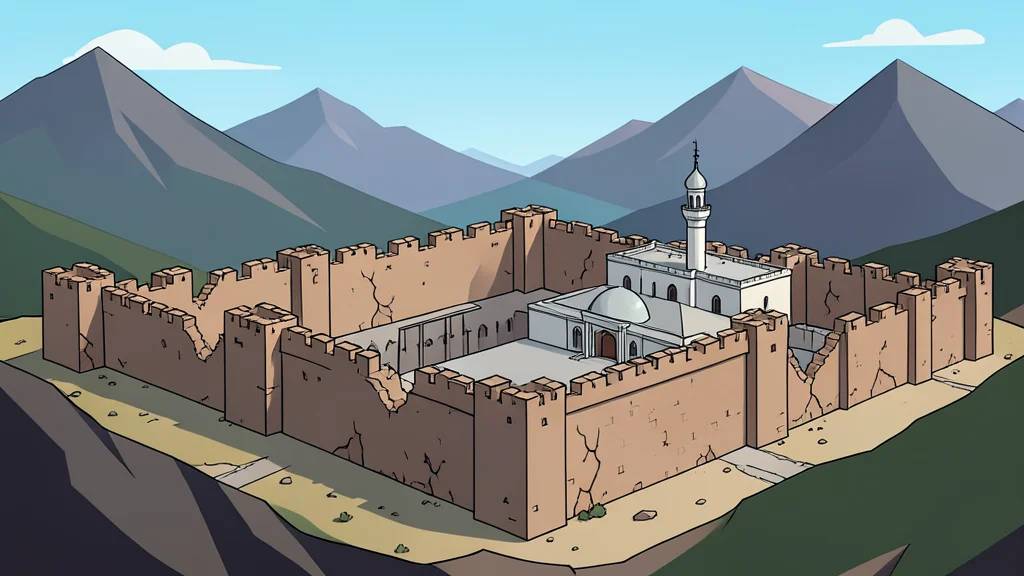
Pakistani security forces ended a 20-hour standoff with militants in the northwestern province of Khyber Pakhtunkhwa on Saturday, local officials reported. The confrontation began after a suicide vehicle-borne IED struck a mosque within a police complex in Kohat, killing 21 people and injuring more than 100 others. Several armed attackers subsequently took up defensive positions inside the facility, triggering a prolonged exchange of fire with counter-terrorism units.
The targeted compound houses the Special Branch intelligence agency and offices of the Counter Terrorism Department. According to police official Mohammad Sadiq, the operation concluded after forces recovered the bodies of eight assailants and killed six others, while two attackers detonated explosives inside the compound early Saturday morning. The attack has intensified diplomatic friction, with Islamabad accusing the Afghan Taliban of sheltering groups responsible for cross-border violence, a charge Kabul has consistently denied.
Diplomatic Tensions Escalate Over Border
Pakistan’s Information Ministry stated that the assault was perpetrated by militants with roots in Afghanistan, using the term
Pattern of Attacks on Security
The Kohat incident follows a similar attack in 2023 in Peshawar, where a suicide bomber killed 101 people, predominantly police officers, at a mosque within a fortified compound. While no group has formally claimed responsibility for the recent assault, analysts and officials suspect the Tehrik-e-Taliban Pakistan, an organization that has increased attacks on security forces in recent years. The TTP is distinct from but allied with the Afghan Taliban, leading Islamabad to demand concrete actions from Kabul to dismantle militant networks.
Monitoring Future Cross-Border Operations
Officials indicated that Pakistan retains the capability to strike terrorist threats wherever they are located, suggesting potential military actions inside Afghanistan if diplomatic measures fail. The forward question remains whether Kabul will implement verifiable measures to dismantle recruitment networks, or if Islamabad will proceed with unilateral strikes, potentially destabilizing the already fragile border region. Security forces continue to comb the area for additional threats as residents return to the damaged district.