PLA Shifts Focus to Taiwan's Eastern Waters
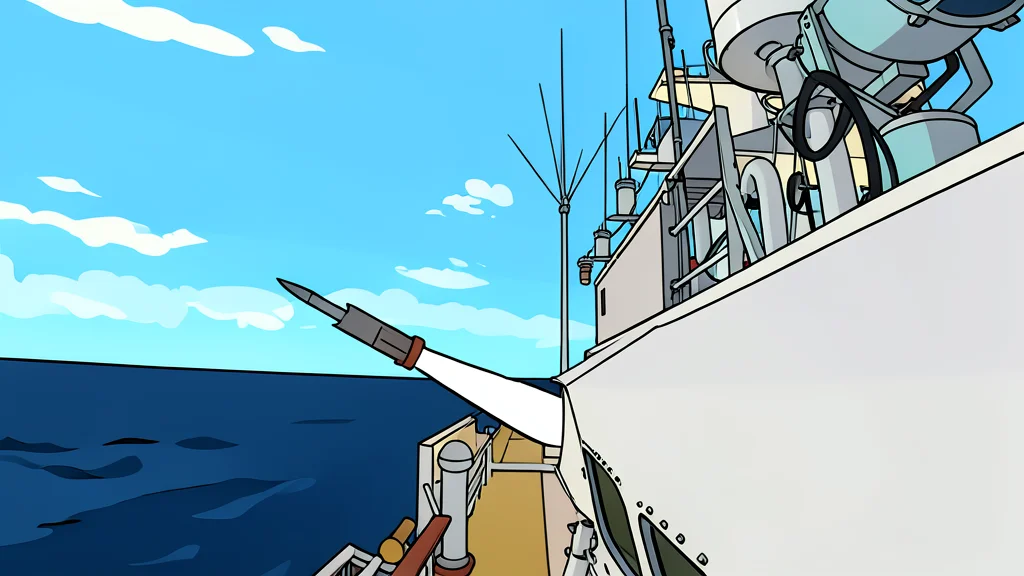
Chinese military activity is expanding east of Taiwan, targeting critical logistics routes and intelligence collection.
Key points
- PLA aircraft and drones have repeatedly entered Taiwan's eastern airspace in September.
- Eastern ports are viewed as critical logistics hubs if western routes are blocked.
- China has increased coast guard patrols and integrated UAVs into regional operations.
Beijing has significantly increased the scale and intensity of its military activities in the airspace and waters east of Taiwan. According to The Diplomat, this shift marks a departure from previous patterns where such operations were largely reactive or concentrated in the Taiwan Strait. Since July, the People’s Liberation Army (PLA) has integrated unmanned aerial vehicles into regularized patrols, signaling a more systematic approach to surveillance.
Taiwan’s Ministry of National Defense reported repeated PLA incursions into eastern airspace during September. These operations involved a mix of manned fighters, bombers, and electronic warfare aircraft, alongside growing drone activity. Analysts suggest this expansion aims to gather detailed battlefield intelligence on Taiwan’s eastern defenses, which are viewed as critical for sustaining a war effort if western ports are neutralized.
Expanded Surveillance in Eastern Airspace
Recent incidents highlight a broader strategic trend. On September 5, the PLA deployed J-11 fighters, Su-30s, and H-6 bombers, with some platforms entering southeastern airspace. A subsequent patrol on September 9 saw aircraft operating in northern, central, and eastern zones. Data from Taiwan’s defense ministry indicates that such east-of-island operations have become a recurring feature, occurring on multiple dates throughout September.
The inclusion of drones in these missions is particularly noteworthy. UAVs offer longer endurance and lower operating costs compared to manned aircraft, making them ideal for sustained intelligence, surveillance, and reconnaissance. The growing use of these platforms allows for continuous monitoring of Taiwan’s force posture, moving beyond sporadic incursions to a more persistent presence.
Targeting Critical Logistics Routes
The strategic rationale for focusing on the east is rooted in wartime logistics. If a conflict were to erupt, western coastal airports and ports would likely face sustained strikes from long-range rocket artillery and ballistic missiles. Consequently, eastern ports like Hualien and Taitung would serve as vital rear-area hubs for maintaining supply lines. The PLA’s increased activity in this region may be an attempt to map and potentially disrupt these alternative reinforcement routes.
Taiwan has recently tested its ability to maintain these lifelines. During the Han Kuang 42 exercise, the navy and coast guard conducted blockade-breaking drills, escorting simulated merchant vessels into Hualien Port. These maneuvers were designed to verify the island's capacity to break a maritime blockade and transfer supplies inland via civilian convoys, directly addressing the vulnerabilities identified by eastern surveillance.
Shifting Maritime Enforcement Patterns
Beyond air operations, China has intensified its maritime presence east of the island. Since July, coast guard vessels have conducted more regular patrols in these waters. While PLA Navy warships had previously operated in the area, recent activity appears more proactive and integrated with drone operations. This suggests a coordinated effort to establish a stronger foothold in waters that serve as potential external reinforcement corridors.
The deeper significance of these developments lies in the shift from reactive encounters to systematic intelligence collection. By combining naval patrols with aerial surveillance, Beijing is building a comprehensive picture of Taiwan’s defensive posture. This approach allows for the identification of specific targets, including radar systems, air defense networks, and movement patterns of naval and air forces, thereby enhancing the PLA's operational readiness in the region.