Belarus Conducts Border Proximity Drills Amid Regional Tensions
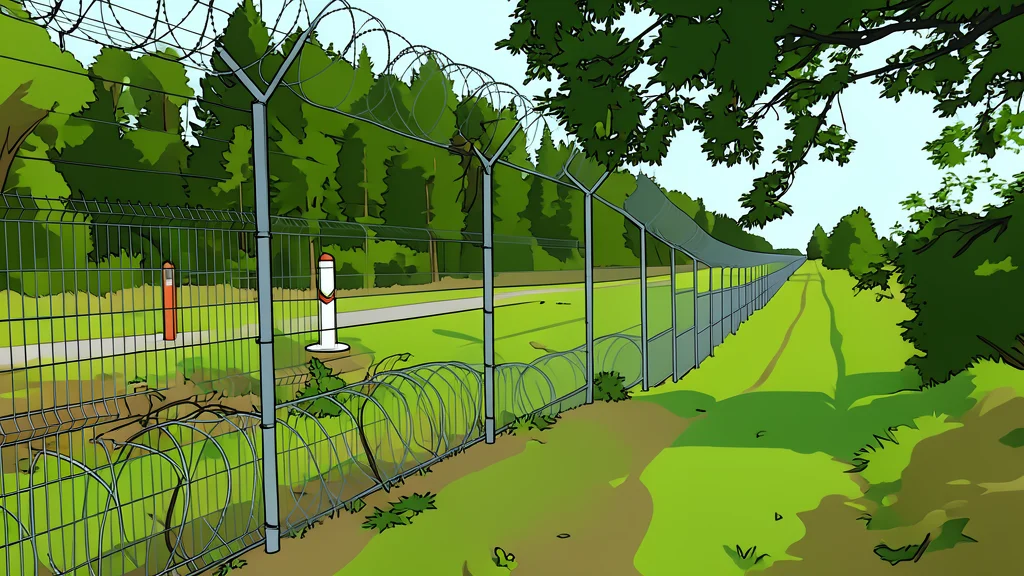
Belarusian authorities have commenced military exercises near the borders of Poland and Lithuania, framing the maneuvers as defensive measures to secure national sovereignty amidst heightened regional security concerns.
The Belarusian Defense Ministry announced that military exercises are underway from September 15 to 18 at several training grounds situated close to the borders of Poland and Lithuania. Officials described the maneuvers as defensive in nature, stating that the primary objective is to enhance the armed forces' capacity to protect the country's sovereignty and territorial integrity. The drills are taking place at the Gozhsky training ground in Grodno Oblast, which is located approximately six kilometers from the Lithuanian border, as well as at the Brestsky and Ruzhansky sites, positioned roughly 15 and 60 kilometers from the Polish border, respectively.
According to the ministry, the exercises focus on preparing troops for strategic military operations, including securing border areas, countering alleged sabotage and reconnaissance groups, and combating drones and light aircraft. While Minsk characterizes these actions as routine defensive preparations, the proximity of the training sites to NATO member states has raised questions among Western observers regarding the broader security implications for the region.
Historical Context of Border Tensions
Relations between Belarus and its neighbors in Poland and Lithuania have been marked by persistent friction over the past several years. Minsk has previously faced accusations from these countries of employing hybrid tactics, including facilitating the flow of migrants from the Middle East and Africa to the EU border, which contributed to a significant migration crisis. Additionally, Belarus allowed Russian forces to use its territory as a staging ground for the full-scale invasion of Ukraine in 2022, a move that further strained diplomatic ties with Western nations and heightened security concerns along the region's borders.
Strategic Implications for Ukraine
The current exercises are occurring against a backdrop of increased military infrastructure development along the Belarus-Ukraine border. Kyiv has warned that Moscow may be attempting to draw its closest ally deeper into the conflict. Michael Kofman, a senior fellow at the Carnegie Endowment for International Peace, told the Kyiv Independent that the threat of a reopened northern front is intended to stretch Ukrainian forces, potentially pulling units away from their current positions along the main front line. This strategic maneuvering underscores the complex interplay of military posturing and diplomatic pressure in the region.
Ukrainian military intelligence chief Oleh Ivashchenko stated in a recent interview that units of Russia's 101st Missile Brigade, equipped with the Oreshnik intermediate-range ballistic missile system, are deployed in Belarus. Furthermore, reports from the Belarusian Railway Workers' Community indicate new railway infrastructure is being built in the southern Gomel Oblast, capable of receiving military trains carrying personnel and heavy equipment. President Volodymyr Zelensky has noted fresh contacts between Moscow and Minsk aimed at convincing Alexander Lukashenko to join new acts of aggression, while also stating that Ukraine is prepared to take preventive measures against potential military threats along its northern border.
Diplomatic Denials and Future Outlook
Despite these developments, Belarusian President Alexander Lukashenko has denied that Belarus intends to enter the war. In an interview published in June, he stated that the country poses no military threat to Ukraine and would only become involved if it were directly attacked. Analysts suggest that monitoring the movement of heavy equipment and the scope of these border drills will be crucial in assessing the true intent behind the maneuvers. The coming days may reveal whether these exercises are a genuine defensive preparation or a precursor to broader regional engagement.