Burnham and Rutte Align on NATO Innovation and Ukraine Aid
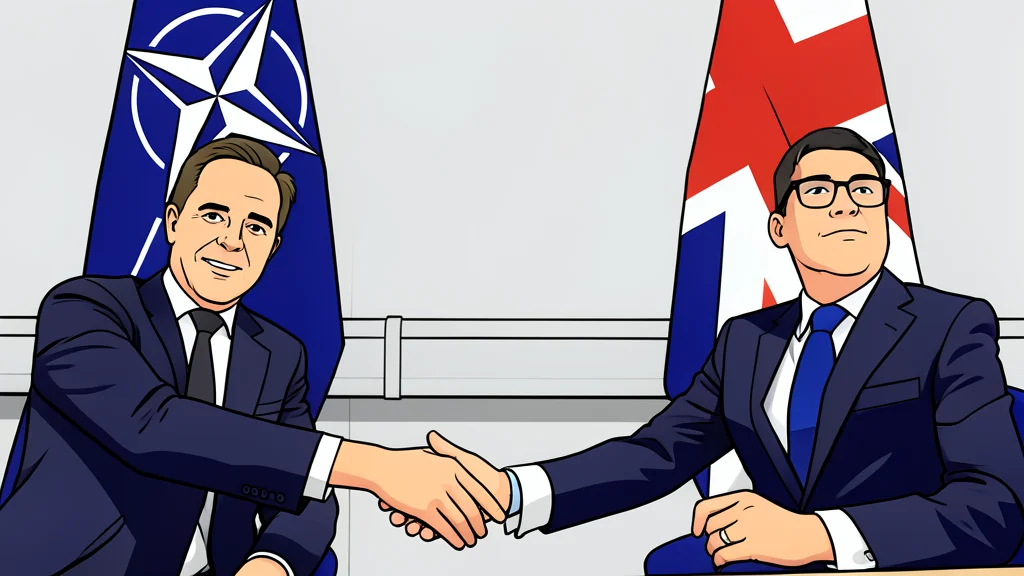
British leadership and NATO headquarters have synchronized their strategic priorities, focusing on future-proofing defense capabilities and sustaining critical air defense support for Ukraine.
British Prime Minister Andy Burnham hosted NATO Secretary General Mark Rutte at the Harwell Science and Innovation Campus in Oxfordshire on Wednesday. According to official statements from the UK government, the meeting centered on reinforcing the alliance’s long-term security architecture and coordinating immediate military assistance for Ukraine. The discussions took place against a backdrop of shifting geopolitical dynamics, with both leaders emphasizing the need for sustained diplomatic and military engagement.
The encounter marked a significant moment in transatlantic cooperation, as the two officials reviewed how the United Kingdom can deepen its contribution to NATO’s collective defense. Beyond immediate tactical concerns, the conversation extended to broader strategic imperatives, including the integration of advanced technologies into military operations. This dialogue reflects a growing consensus within the alliance that future security depends on rapid innovation and cross-border collaboration.
Focus on Future Defense Capabilities
A central theme of the talks was the development of 'forces of the future' across all operational domains. Burnham highlighted the recent release of the UK’s new national space strategy, noting that it would enhance the country’s innovation and resilience in the space domain. According to the prime minister’s office, this strategic shift is designed to ensure that NATO maintains a technological edge in an increasingly complex security environment. The emphasis on space underscores a broader trend among allied nations to diversify their defense portfolios beyond traditional land, sea, and air operations.
The discussion on innovation was not merely theoretical but tied to practical applications for the alliance. Both leaders recognized that modern warfare requires agile, tech-driven solutions to address emerging threats. By aligning their respective national strategies with NATO’s overarching goals, the UK aims to play a leading role in shaping the alliance’s future capabilities. This approach seeks to ensure that member states are not only responsive to current crises but also prepared for the evolving nature of global security challenges.
Sustaining Support for Ukraine
Turning to the conflict in Ukraine, Burnham expressed his commitment to supporting diplomatic efforts to secure additional air defense systems for Kyiv. Reflecting on his visit to Ukraine last month, the prime minister stated that providing robust air defense remains a priority for the UK. This focus on air defense highlights the critical need for Ukraine to protect its civilian infrastructure and military assets from ongoing aerial threats. The UK’s continued engagement in this area demonstrates a long-term commitment to Ukraine’s sovereignty and territorial integrity.
Rutte acknowledged the UK’s financial contribution to the Prioritized Ukraine Requirements List (PURL) initiative, which includes a £100 million funding package for defensive equipment. According to NATO leadership, this contribution is vital for ensuring that Ukraine receives the specific capabilities it has identified as necessary. The PURL mechanism allows for a more efficient and targeted approach to military aid, aligning donor support with Ukraine’s operational needs. This coordinated effort underscores the importance of multilateral cooperation in sustaining the defense of Ukraine.
Regional Stability and Broader Security
The meeting also addressed the situation in the Middle East, with both leaders underscoring the importance of ensuring long-term stability and security in the region. According to the readout from the discussions, the UK and NATO view regional peace as integral to broader global security. This perspective reflects a holistic approach to diplomacy, where efforts in one part of the world are understood to have implications for stability elsewhere. The alignment of views between London and NATO headquarters suggests a shared strategy for managing complex regional dynamics.
As the geopolitical landscape continues to evolve, the collaboration between the UK and NATO remains a cornerstone of Western security policy. The discussions in Oxfordshire signal a renewed focus on both innovation and immediate support for Ukraine, while also acknowledging the broader challenges of regional stability. Observers will be watching closely for how these commitments translate into concrete actions in the coming months, particularly in terms of resource allocation and diplomatic initiatives.