EU and NATO Align to Upgrade Klaipeda Port by 2027
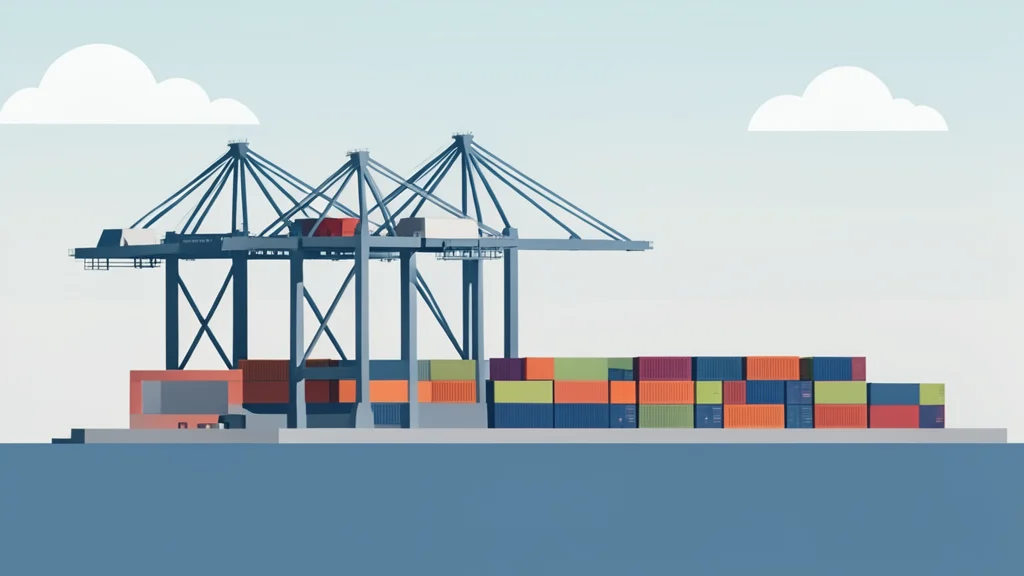
The European Union is moving to transform the Lithuanian port of Klaipeda into a dual-use strategic facility, integrating military logistics with civilian clean energy goals.
The European Union has outlined a plan to transform the Lithuanian port of Klaipeda into a critical logistics hub for the North Atlantic Treaty Organization. The initiative, valued at approximately 201 million euros, aims to modernize the terminal infrastructure to support both military mobility and regional economic growth. According to reports from GN geopolitics/nato, the project represents a significant step in integrating defense needs with broader European strategic interests.
This development occurs against a backdrop of heightened security concerns in the Baltic region. By upgrading the port to accommodate larger vessels and providing advanced energy solutions, the EU seeks to enhance its operational readiness while simultaneously advancing its commitment to sustainable energy sources. The dual-use nature of the project ensures that civilian transport benefits are preserved alongside military capabilities.
Strategic Financing and Infrastructure Goals
Funding for the modernization effort will come from a mix of institutional loans and state contributions. The European Investment Bank is set to provide a 100 million euro loan, with the remaining costs covered by the EU, Lithuania, and other participating institutions. This financial structure reflects a shared commitment to strengthening regional infrastructure that serves both commercial and defense purposes.
The upgrade will include the adaptation of specific terminal sections to meet NATO requirements. These changes are designed to facilitate the efficient movement of naval vessels and logistical supplies. By aligning these upgrades with existing civilian operations, the project aims to create a seamless environment where military and commercial interests coexist without compromising either.
Integration of Clean Energy Systems
A key component of the plan involves the installation of shore-based electricity, green hydrogen, and offshore wind power capacity. This integration allows vessels to reduce their reliance on fossil fuels while at port. The move supports the broader European goal of decarbonizing the maritime sector and reducing the environmental footprint of both civilian and military operations.
The adoption of these green technologies is expected to enhance the port’s attractiveness to international shipping lines. It also positions the Baltic region as a leader in sustainable port infrastructure. By combining military readiness with environmental innovation, the project addresses multiple strategic priorities simultaneously.
Regional Security and Economic Impacts
The transformation of Klaipeda is part of a wider trend of reinforcing infrastructure in the Baltic states. Recent measures, such as expanded checks on grain shipments, indicate a growing focus on securing supply routes and preventing illicit trade. The port’s role in facilitating aid to Ukraine further underscores its importance in the current geopolitical landscape.
As construction proceeds toward completion by the end of 2027, observers will watch how the dual-use framework is implemented in practice. The success of this project could serve as a model for other European ports seeking to balance security and sustainability. The coming months will reveal how effectively these diverse interests are managed in a high-stakes environment.