France Issues UN Apology to Mend Transatlantic Ties
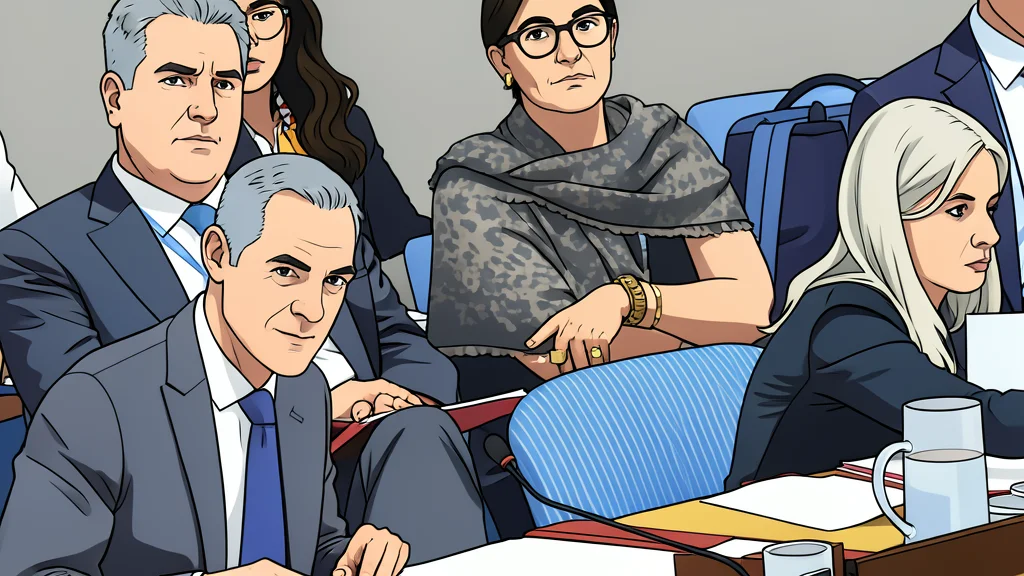
Paris has formally expressed regret over social media comments regarding Washington's voting record, a move welcomed by US officials as a step toward restoring diplomatic normalcy.
France’s permanent mission to the United Nations issued a formal statement on Friday expressing regret over a recent social media post that questioned the United States' commitment to human rights. The statement, published in English on the mission's website, acknowledged that Paris and Washington had recently taken different positions during a vote at the UN General Assembly. According to the mission, this divergence concerned a single vote rather than a fundamental challenge to the defense of human rights.
The diplomatic note emphasized that public differences of opinion on isolated issues do not impede the close dialogue between the two nations. It further stated that such disagreements do not call into question the historical alliance between France and the United States, nor their capacity to collaborate on advancing peace, stability, and prosperity within multilateral forums. This clarification appears designed to de-escalate tensions that have recently affected broader diplomatic interactions.
Washington responds to the apology
The US State Department responded positively to the French statement, signaling a willingness to move past the dispute. A senior US official, speaking on condition of anonymity, said on Saturday that Washington noted and appreciated the French statement. The official added that the United States looks forward to working together to further shared values and interests. This reaction suggests that the immediate diplomatic friction has been alleviated, at least for the moment.
According to GN geopolitics/rights (en-US), the dispute had previously led to the suspension of the appointment of France's next ambassador to the United States. The hold-up was cited by Washington as a direct result of the friction over the social media post. The recent exchange indicates that both sides are prioritizing the restoration of high-level diplomatic channels over the specific grievance that triggered the initial backlash.
Context of transatlantic diplomatic friction
The incident highlights the delicate balance required in managing public diplomacy between major allies. While social media has become a standard tool for state communication, comments perceived as critical by partner nations can quickly escalate into formal diplomatic issues. The French mission’s decision to issue a written regret rather than a simple deletion of the post underscores the institutional weight placed on maintaining formal channels of communication, even when the initial friction arose from informal digital platforms.
Analysts note that such episodes, while seemingly minor, can have disproportionate effects on the pace of bilateral negotiations and personnel appointments. The fact that the ambassadorial appointment was held up indicates that Washington treated the social media post as a significant breach of diplomatic protocol. The rapid resolution, however, demonstrates that the underlying strategic alignment between Paris and Washington remains intact despite temporary public disagreements.
Watch for renewed ambassadorial talks
The next key indicator of the relationship's health will be the resumption of the process to appoint France's next ambassador to the United States. If this appointment proceeds without further delay, it will serve as a tangible confirmation that the diplomatic rift has been fully bridged. Observers will also watch for increased coordination between the two nations in upcoming multilateral forums, which could signal a renewed commitment to joint action on global issues.
Furthermore, both governments may issue further joint statements or engage in high-level bilateral meetings to reinforce the message that their alliance remains robust. The tone of future communications will be closely monitored to ensure that no underlying tensions resurface. For now, the formal apology and its positive reception provide a foundation for restoring the normal rhythm of transatlantic diplomatic engagement.