India Balances Gulf Crisis with China Border Tensions

As regional instability in West Asia threatens global energy flows, New Delhi navigates a complex diplomatic landscape involving both the BRICS summit outcomes and ongoing bilateral friction with Beijing.
The geopolitical landscape surrounding India has shifted significantly as the conflict involving Iran intensifies, creating a dual pressure on both economic stability and diplomatic strategy. According to recent analysis from GN geopolitics/border, the blockade of critical energy corridors such as the Strait of Hormuz and Bab el-Mandeb poses a direct threat to global supply chains. This disruption is particularly sensitive for New Delhi, which has recently recorded a robust 7.8% GDP growth in the first quarter. While domestic economic indicators remain strong, the rising cost of fuel imports introduces a layer of vulnerability that complicates the government’s fiscal outlook.
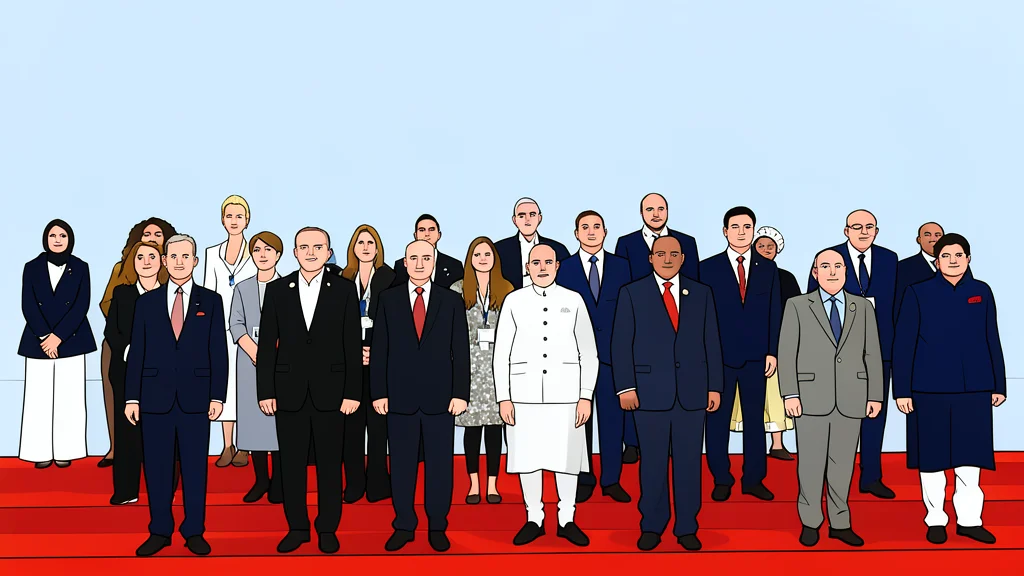
Simultaneously, India is engaged in high-stakes bilateral dialogue with China, marked by a significant meeting between Prime Minister Narendra Modi and President Xi Jinping. This engagement occurs against the backdrop of a long-standing dispute along the Line of Actual Control (LAC), where military postures remain tense. The conversation highlights a broader strategic balancing act: managing the immediate security fallout from the West Asian crisis while attempting to de-escalate or manage the persistent border standoff with its eastern neighbor.
Economic Implications Of Energy Disruption
The economic ripple effects of the regional conflict are becoming increasingly apparent to policymakers in New Delhi. The restriction of shipping lanes in the Gulf region has led to a sharp increase in global fuel prices, a trend that directly impacts India’s import bill. Despite the recent strong GDP performance, these external shocks threaten to erode some of the gains achieved during the first quarter. Analysts note that while India has diversified its energy sources in recent years, the sheer volume of oil imported from the region makes the country highly sensitive to any supply-side volatility.
Furthermore, the BRICS summit held in Delhi provided a platform for India to advocate for a more resilient global economic order. The final declaration condemned terrorism and flagged the negative impacts of unilateral tariffs and energy sanctions, signaling a collective desire among member states to insulate their economies from geopolitical shocks. This diplomatic push is seen as an effort to create alternative mechanisms for trade and payment, reducing reliance on Western-dominated financial systems that are currently entangled in the sanctions regime surrounding the West Asian crisis.
Strategic Dynamics On The Border
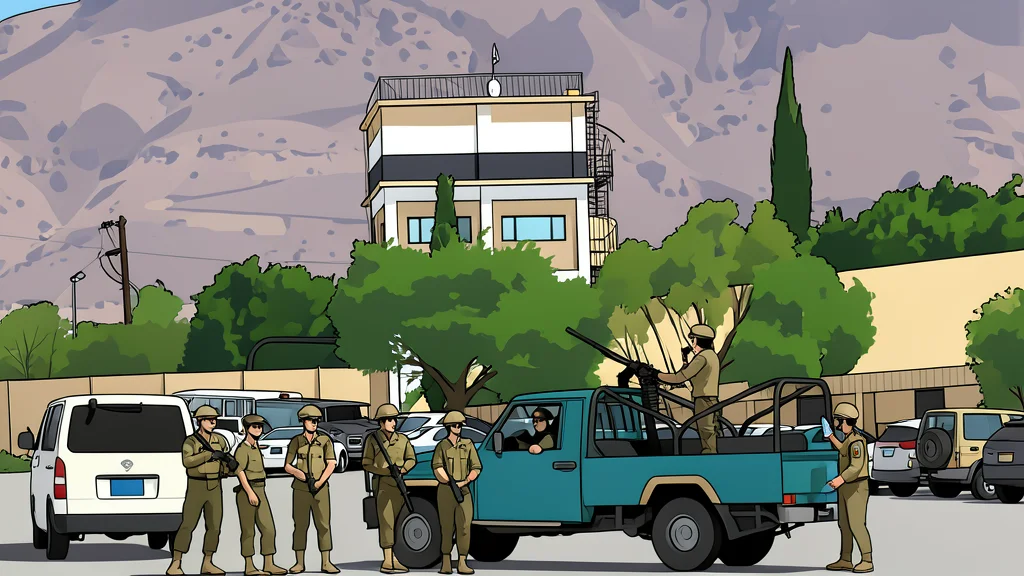
On the bilateral front, the relationship with China remains defined by both economic interdependence and strategic rivalry. The bilateral trade deficit, which exceeds 100 billion dollars, creates a complex dynamic where economic dependence coexists with military tension. The recent high-altitude troop deployments along the LAC underscore the severity of the border dispute, even as diplomatic channels remain open. New Delhi’s strategy appears to focus on maintaining deterrence through rapid infrastructure construction in remote frontier areas, ensuring that logistical capabilities match the strategic requirements of a prolonged standoff.
Confidence-building measures have been identified as a critical component of the ongoing dialogue. While the physical separation of troops and the establishment of a joint working group have provided some stability, the underlying issues of territorial claims and strategic intent remain unresolved. The emphasis on border peace is not merely a tactical necessity but a core pillar of India’s foreign policy, aiming to prevent a localized skirmish from escalating into a broader regional conflict that could further destabilize the already fragile West Asian environment.
Navigating A Shifting Global Order
The convergence of the West Asian crisis and the India-China border tension places India at the center of a shifting global order. As the BRICS bloc seeks to redefine international norms regarding sovereignty and economic autonomy, India finds itself leveraging its multilateral alliances to counterbalance bilateral pressures. The recent summit outcomes suggest a growing coalition of states seeking to mitigate the impact of unilateral actions by major powers, particularly in the realm of energy security and trade.
Looking ahead, the key indicator to watch is the ability of diplomatic channels to contain the escalation in West Asia while simultaneously managing the temperature of the border dispute with China. The success of India’s strategy will depend on its capacity to maintain economic growth amidst external shocks and to sustain a credible defense posture without provoking a wider confrontation. The interplay between these two fronts will define the next phase of India’s geopolitical engagement.