Germany's Political Shift Reshapes Migrant Identity and Belonging
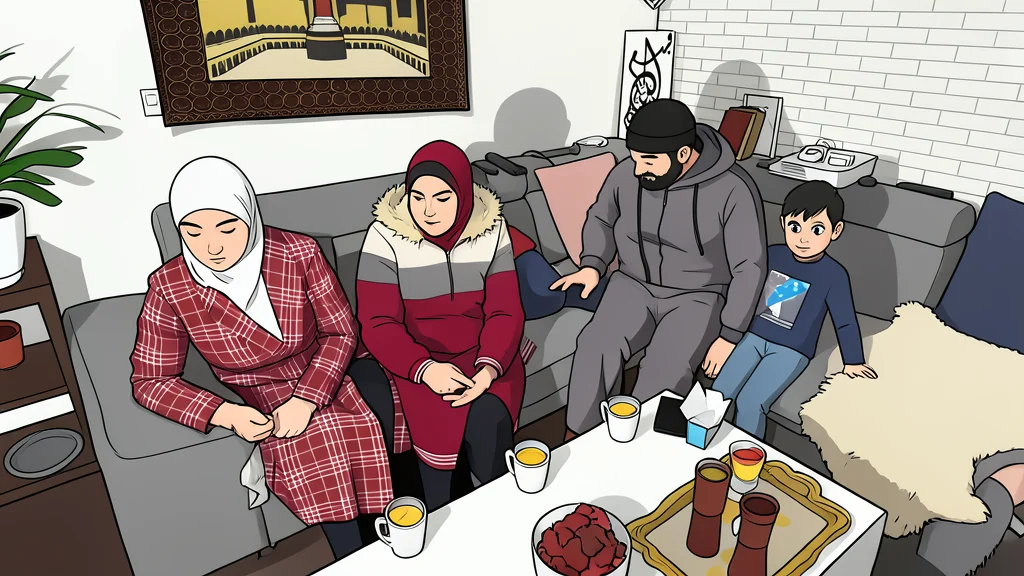
Rising far-right political momentum in Germany is prompting deep questions among migrant communities about their future status and acceptance in society.
The political landscape in Germany is undergoing a significant transformation as support for far-right parties continues to grow. According to recent reporting by GN geopolitics/migration (en-US), this surge is creating a palpable sense of uncertainty among residents with migration backgrounds. Many are finding themselves questioning whether their contributions and presence are still valued in the national dialogue.
This shift is not merely a statistical change in polling but a social one. The rhetoric surrounding immigration has become more prominent in public discourse, leading to a climate where integration efforts are often scrutinized more harshly. For many, the fear is not just about policy changes, but about the fundamental acceptance of their place in the community.
Political momentum alters social climate
As electoral results indicate a stronger foothold for nationalist movements, the tone of political debate has shifted. According to analysts, this environment encourages a more defensive posture among those who have lived in Germany for generations. The conversation has moved from one of inclusion to one of conditional belonging, where cultural and linguistic assimilation is demanded more aggressively than in the past.
Local communities are feeling the weight of this national trend. Neighborhoods that were once diverse and integrated are now witnessing increased tensions. The uncertainty extends to daily interactions, where individuals report feeling judged or excluded based on their background. This social friction complicates the already complex process of building a shared national identity.
Migrant communities face identity questions
For many migrants, the rising political tide has triggered a re-evaluation of their own identity. They are grappling with questions about where they truly fit in a society that is increasingly defining itself in exclusionary terms. This introspection is evident in community forums and social media, where discussions about loyalty, contribution, and future prospects are becoming more frequent and emotional.
The emotional toll of this uncertainty is significant. Individuals who have spent decades contributing to the economy and culture find themselves on the defensive. The fear of being cast as 'other' or 'foreign' despite long-term residency is a widespread concern. This psychological strain is affecting mental health and community cohesion, as people struggle to maintain a sense of security and belonging.
Future integration policies under scrutiny
Looking ahead, the direction of Germany's integration policies will be closely watched. The current political climate suggests that future legislation may place greater emphasis on linguistic proficiency and cultural conformity. Observers note that the outcome of upcoming local elections will be a key indicator of how deeply these far-right sentiments have penetrated the political mainstream.
The coming months will reveal how effectively civil society can counteract the divisive rhetoric. Whether through grassroots initiatives or government-led programs, the response to this political shift will determine the long-term trajectory of social cohesion in Germany. The question remains whether the country can find a new equilibrium that balances national identity with the reality of its diverse population.