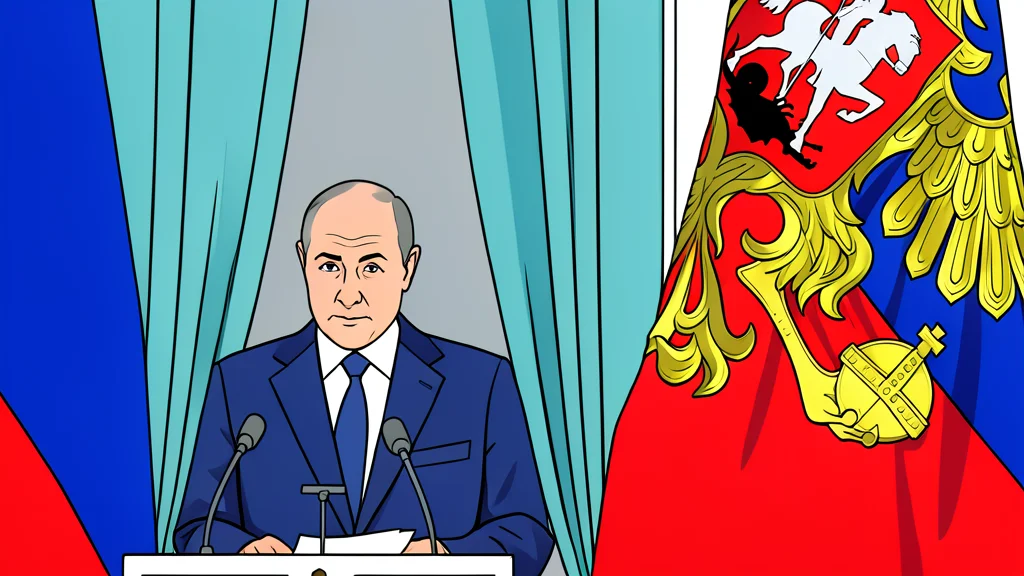
Mecklenburg-Western Pomerania Election: SPD Defends Historic Lead

The Social Democrats face a critical test to maintain their three-decade rule in Germany's northeastern state, where the AfD poses its strongest challenge yet.
Mecklenburg-Western Pomerania is preparing for a state election that could reshape the political landscape in eastern Germany. For nearly three decades, the Social Democratic Party (SPD) has governed this northeastern federal state, making it one of the longest-running single-party dominances in the country. As polls tighten, the incumbent party faces its most significant challenge from the far-right Alternative for Germany (AfD), a contest that carries implications far beyond the local border.
According to Deutsche Welle, the outcome may also influence the standing of the federal government’s junior coalition partner. While the SPD has historically maintained a strong grip on the state through coalition partnerships, the current political climate presents a distinct shift. The race is no longer just about local governance but has become a proxy for the broader struggle between established center-left politics and the rising tide of right-wing populism in Germany.
A State Defined by Contrasts
The state is characterized by its sparse population and industrial heritage, stretching along the Baltic coast with famous tourist destinations like Rügen and Usedom. With a population of just 1.57 million, it remains Germany’s most sparsely populated federal state. The region’s economic indicators reflect its structural challenges, with an unemployment rate of 8%, which is above the national average.
This demographic and economic profile contributes to a unique political dynamic. Mecklenburg-Western Pomerania has the lowest share of foreign nationals of any German state, a factor that has historically fueled debates on integration and social cohesion. The state’s history is also marked by significant events, including the violent attacks on asylum-seeker accommodations in Rostock in 1992, which remain a painful memory and a focal point for current political discourse.
Schwesig Leads the Defensive Campaign
State Premier Manuela Schwesig is at the center of the SPD’s efforts to retain power. Having trailed the AfD in polls for a period, she has shifted her campaign strategy to directly confront the far-right. Her slogan, referencing the AfD’s party color, positions her as a direct counter to their rise. In recent debates, she has characterized the AfD as a threat to the economy and social welfare, aiming to rally moderate voters.
Schwesig’s popularity provides a buffer against the opposition, but the challenge remains significant. The SPD has relied on its long-standing presence in the state government, having governed in coalition with various partners since the 1990s. This incumbency advantage is crucial, as the party seeks to consolidate its base while appealing to voters concerned about the direction of national politics.
Coalition Options Remain Limited
Despite the AfD’s strong polling, forming a government with them is considered highly unlikely. All other parties with a realistic chance of entering the state parliament have ruled out any cooperation with the far-right. This political isolation means that even if the AfD gains significant seats, they may be relegated to the opposition, similar to their status in other German states.
The center-right Christian Democratic Union (CDU) is polling at historic lows, which complicates the formation of a center-right majority. Meanwhile, the Greens are fighting to stay above the 5% threshold for parliamentary representation. The final distribution of seats will determine whether the SPD can continue its coalition with the Left Party or if new alliances will be required to ensure stable governance.