Heatwaves Push Champagne Alcohol Limits Higher
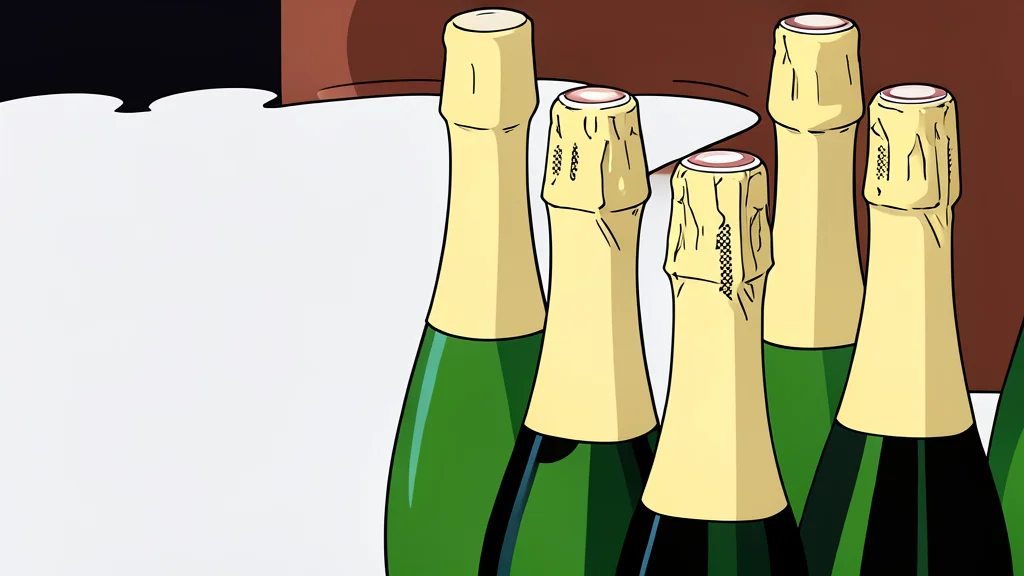
Record-breaking heat and drought in France have led regulators to temporarily raise the maximum alcohol content for champagne, a shift that industry leaders warn may become the new normal as climate patterns evolve.
French wine authorities have authorized producers to temporarily exceed the traditional 13% alcohol ceiling for champagne, allowing bottles to reach up to 15% ABV. This regulatory adjustment follows an unusually hot summer that resulted in grapes with exceptionally high sugar levels, which yeast converted into higher alcohol during fermentation. According to BBC World, this is the first time such a cap has been raised in response to weather conditions, marking a significant deviation from long-standing industry standards.
The decision is driven by the physical realities of the 2026 harvest, which was marked by severe spring frosts, early flowering, and multiple heatwaves. While the change applies only to this specific vintage, it highlights the growing pressure on traditional winemaking regions to adapt to shifting climatic conditions that are altering the fundamental chemistry of the grape.
Earliest Harvest in Regional History
The weather patterns this year triggered the earliest recorded harvest in the Champagne region. Grapes were cut in early August, with the process expanding rapidly by mid-month. The Champagne Committee, the industry association representing producers, described the 2026 growing season as one of the most unusual in history. The combination of intense spring frosts and a prolonged summer heatwave created conditions that accelerated the ripening process significantly faster than in previous decades.
Stéphane Vignon, a producer based in Verzenay, noted that the Mediterranean climate is effectively moving northward. He suggested that while this extreme variation may not occur every year, it represents the beginning of a new cycle. The industry is now facing a landscape where historical weather averages are no longer reliable predictors of future harvests.
Limited Impact on Consumer Market
Despite the headline-grabbing nature of the rule change, the impact on the average bottle is expected to be minimal. A spokeswoman for the Champagne Committee clarified that only a very small number of wines from this harvest will exceed the previous limit, reaching levels around 13.1% or 13.2%. The temporary increase to 15% was a regulatory safety measure to accommodate these specific batches, rather than a blanket increase for all production.
Market dynamics may further dilute the significance of higher alcohol content. Jane Anson, a wine columnist based in Bordeaux, warned that stronger champagne is unlikely to be a major selling point. Current consumer trends show a growing preference for lower-alcohol beverages. She described the situation as a stressful battle between what nature provides and what the market desires, creating a complex challenge for producers trying to balance quality with commercial viability.
Climate Shifts Reshape Industry Norms
The 2026 vintage is not expected to reach shelves until 2028, as champagne must age for at least 15 months. In the interim, industry leaders are assessing long-term implications. Maxime Toubart, co-chair of the Champagne Committee, stated that the unusual harvest of 2026 will likely become the norm within ten to fifteen years. This projection aligns with broader data from the Copernicus climate service, which indicates that Europe is the fastest-warming continent, heating up twice as fast as the global average.
France has been one of the countries most severely affected by extreme weather events this year, including significant wildfires and a sharp rise in heat-related incidents. As heatwaves become more frequent and intense, the wine industry is forced to reconsider its regulatory frameworks and production methods. The temporary adjustment to alcohol limits serves as a provisional response, but it underscores a deeper structural shift in how climate change is influencing agricultural outputs across the region.