Beijing Warns Manila over Recent South China Sea Vessel Collision

Chinese officials accused a Philippine vessel of deliberately ramming a coast guard ship in the South China Sea, escalating recent diplomatic tensions between the two nations.
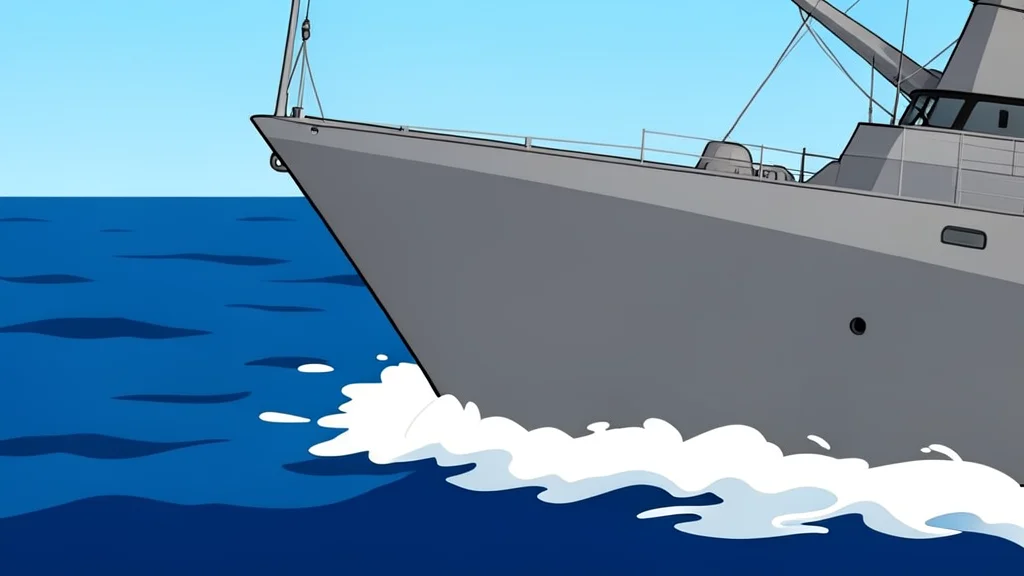
China has accused the Philippines of staging provocations in the South China Sea following a collision between a Philippine government vessel and a Chinese Coast Guard ship on September 18. According to statements from the Chinese Foreign Ministry, the incident occurred near Xianbin Jiao in the Nansha Qundao, where a Philippine vessel allegedly rammed a Chinese vessel, endangering personnel on board.
Spokesperson Guo Jiakun stated that the Philippines should immediately cease maritime infringements and stop spreading what Beijing describes as false narratives. He emphasized that China will continue to safeguard its territorial sovereignty and maritime rights while maintaining peace and stability in the region. This statement follows similar warnings issued by coast guard officials regarding the specific mechanics of the crash.
Details of the alleged collision
Jiang Lue, a spokesperson for the Chinese Coast Guard, described the incident in greater technical detail. He reported that the Chinese vessel, Sanzhou'ao, was conducting routine law enforcement operations when the Philippine vessel, identified as 3015, changed course and accelerated. According to Jiang, the Philippine ship cut diagonally across the bow of the Chinese vessel, resulting in a direct impact.
The Chinese side asserts that its operations were professional and lawful, placing full responsibility for the collision on the Philippine side. Jiang stated that the actions of the Philippine vessel violated international law and basic norms governing international relations. He issued a stern warning that the Philippines must stop all acts of infringement or bear the consequences arising from such actions.
Diplomatic tensions and official responses
The incident has further strained relations between Beijing and Manila, which have been marked by frequent disputes over maritime boundaries. According to the report from GN auto geopolitics/asia-pacific: South China Sea, the Chinese Foreign Ministry framed the event as a deliberate provocation rather than an accidental encounter. Beijing insists that its coast guard vessels are operating within its jurisdiction to protect national interests.
While Manila has not provided a detailed counter-narrative in this specific report, the Chinese government’s strong language signals a continued hardline stance. The use of terms such as 'false narratives' and 'grave violation of international law' indicates that Beijing views the incident as a significant challenge to its sovereignty claims in the area.
Future implications for regional stability
Observers are watching to see if this latest incident will lead to further escalation or diplomatic engagement. The Chinese Coast Guard has indicated it will continue its operations in the area, suggesting that similar encounters may occur in the future. The situation remains a focal point for broader geopolitical tensions in the Asia-Pacific region.
The coming days may bring further statements from the Philippine government and potential adjustments in patrol routes by both sides. The international community continues to monitor these developments closely, seeking to avoid a wider conflict that could disrupt maritime trade and regional security.