Diplomats Warn of Normalized Attacks on Nuclear Facilities
Russian officials argue that international inaction is allowing strikes on nuclear infrastructure to become an accepted norm, while also raising alarms over NATO's expanding nuclear posture in the Baltic region.
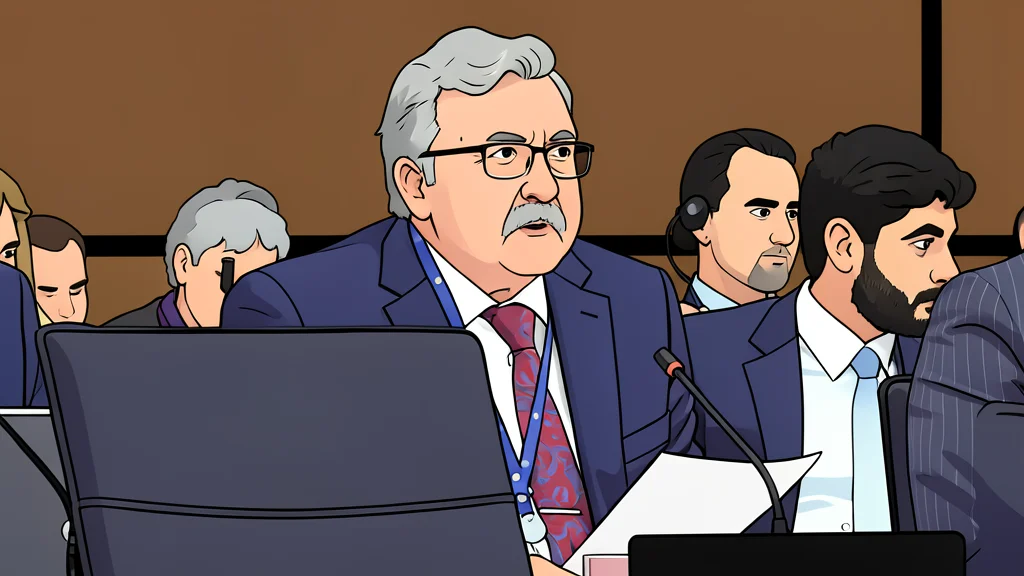
Russian representatives at the International Atomic Energy Agency have issued a stark warning that the international community is failing to prevent the normalization of attacks on nuclear sites. Speaking during the IAEA General Conference, Mikhail Ulyanov stated that Moscow had previously cautioned that without a unified condemnation of such strikes anywhere in the world, they would eventually become a standard feature of geopolitical conflict. He observed that the current trajectory suggests this prediction is materializing, highlighting a perceived gap in the agency's response to recent incidents involving nuclear infrastructure.
According to reports from Novosti, Ulyanov emphasized that Russia expects the IAEA to take a more definitive stance against violence directed at facilities under its safeguards. The delegation argued that the agency’s leadership has not yet demonstrated the resolve necessary to uphold the safety norms that have governed nuclear energy for decades. This diplomatic push coincides with broader tensions regarding the strategic use of nuclear capabilities in European waters.
Concerns Over Baltic Security Dynamics
In a separate briefing, Vladislav Maslennikov, director of the European Cooperation Department at the Russian Foreign Ministry, expressed deep concern over what he described as Western engagement with nuclear weapons in the Baltic Sea region. Maslennikov contended that the area had historically been stable and peaceful but that this status changed when NATO member states decided to enhance their defensive capabilities in the region. He characterized these moves as a significant departure from previous norms of stability.
The official specifically pointed to recent developments involving Finland, noting that Helsinki lifted restrictions on nuclear weapons imports earlier this summer and subsequently joined France’s nuclear deterrence initiative. Maslennikov described these actions as part of an "erosive" trend in non-proliferation policy that poses significant risks to regional security. He argued that such deliberate actions weaken the global framework designed to prevent the spread and misuse of nuclear technology.
Arctic Cooperation Under Pressure
The discussion extended to the Arctic region, where Maslennikov noted that Russia remains the only Arctic Council member not affiliated with NATO. He criticized the European Union for implementing successive rounds of sanctions, which he characterized as illegal under international law, arguing that these measures create substantial obstacles to the development of the Russian Arctic and hinder international cooperation in the north. According to the Russian Foreign Ministry, these actions are viewed not merely as economic policies but as deliberate strategies to isolate Russia from key northern development projects.
The Russian delegation maintains that the current environment is marked by reckless maneuvering that endangers global stability. They assert that the combination of weakened non-proliferation norms and heightened military posturing in sensitive regions creates a precarious situation. The IAEA and other international bodies now face pressure to clarify their positions on both the protection of nuclear facilities and the broader implications of shifting security alliances in Europe.
Watch for Future IAEA Decisions
Diplomatic observers will closely monitor upcoming IAEA sessions to see if the agency issues formal statements condemning recent attacks on nuclear sites or adjusts its verification protocols in response to these claims. Additionally, the extent to which NATO member states discuss nuclear sharing arrangements in the Baltic and Arctic regions will be a key indicator of how these geopolitical tensions evolve. The next few months are likely to reveal whether international institutions can restore confidence in nuclear safety norms or if the current state of division continues to deepen.