Footage Details Collision Sequence Between Philippine and Chinese Vessels
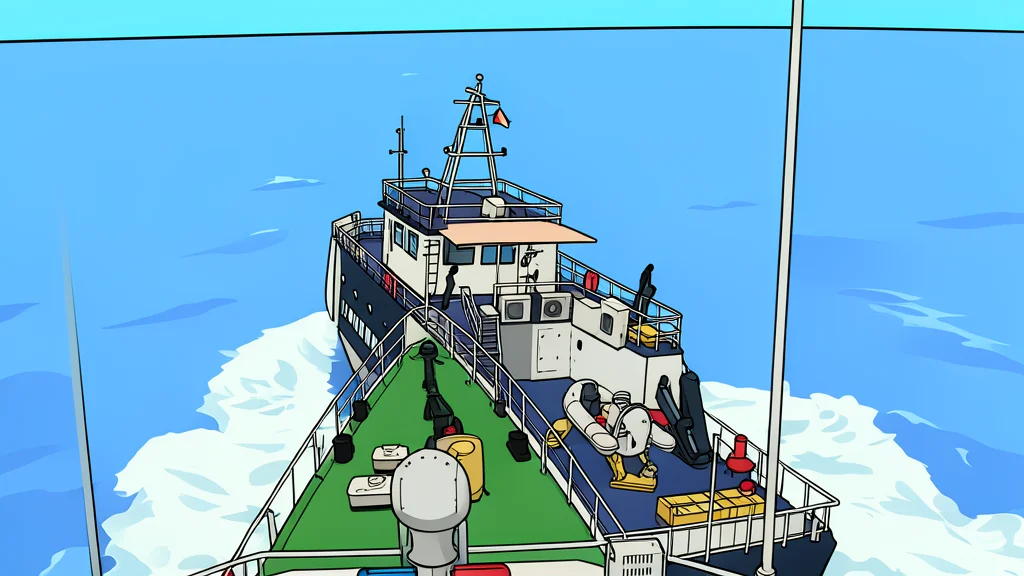
Newly released footage captures a tense maritime encounter in the South China Sea, prompting sharp diplomatic exchanges and questions over navigation protocols.
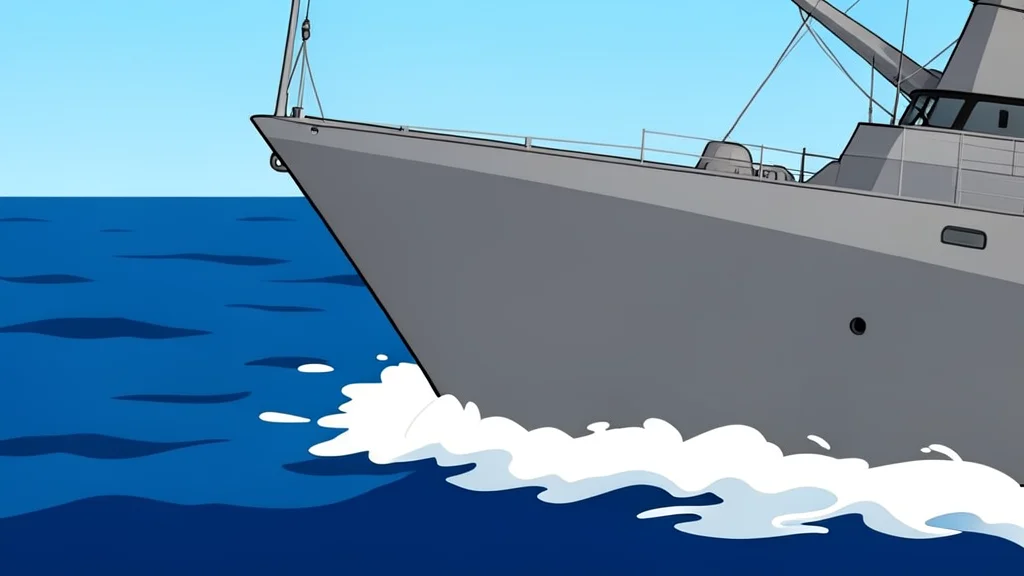
Exclusive video obtained by the Global News auto geopolitics/asia-pacific desk shows a Philippine government vessel maneuvering twice across the path of a Chinese Coast Guard ship before a collision occurred on Friday. The incident, which took place in the South China Sea, has intensified diplomatic tensions between Manila and Beijing, with both sides issuing stern warnings regarding maritime safety and sovereignty.
According to the footage, the Philippine vessel, identified as a Bureau of Fisheries and Aquatic Resources craft, crossed in front of the Chinese vessel Sanzhou’ao at 11:04 am. A second crossing followed ten minutes later at 11:13 am, resulting in physical contact. Chinese maritime experts described the maneuvers as deliberate interference with the navigation of the Chinese ship, noting that the Philippine vessel accelerated during the final approach rather than adjusting its course to avoid contact.
Chinese authorities assign full responsibility
Jiang Lue, a spokesperson for the China Coast Guard, stated that the Sanzhou’ao was conducting lawful law enforcement operations when the incident occurred. He asserted that the Philippine vessel deliberately changed course and accelerated to cut across the bow, thereby violating international law and basic norms of international relations. Jiang emphasized that the Chinese vessel’s actions were professional and standardized, placing the entire responsibility for the collision on the Philippine side.
Guo Jiakun, spokesperson for the Chinese Foreign Ministry, echoed these sentiments, urging the Philippines to stop acts of infringement and provocation at sea. He also called for an end to what Beijing describes as the spreading of false narratives. Guo reaffirmed China’s commitment to defending its territorial sovereignty and maritime rights while safeguarding peace and stability in the region.
Expert analysis of navigation violations
Chen Xiangmiao, director of the World Navy Research Center at the National Institute for South China Sea Studies, pointed to the 1972 Convention on the International Regulations for Preventing Collisions at Sea. According to Chen, the repeated and deliberate approaches by the Philippine vessel clearly violated this convention, which requires ships to take action to avoid collisions. He characterized the second maneuver as an intentional act of interference after the Chinese vessel had already avoided the initial crossing.
Observers note that this is not the first time Philippine vessels of this type have been involved in confrontations in the South China Sea. Chen suggested that there is a pattern of dangerous maneuvers followed by portrayals of the Philippine side as victims. He argued that such actions violate maritime navigation rules and the United Nations Convention on the Law of the Sea, contributing to a cycle of escalating tensions in the waters.
Diplomatic fallout and future risks
The incident has drawn coverage from several Philippine media outlets and prompted statements from officials in Manila. The Chinese Coast Guard warned that it will continue its rights protection and law enforcement operations. Diplomats are now closely watching for any further confrontations, as both sides maintain strong positions on maritime jurisdiction and the interpretation of international maritime law in the contested areas.